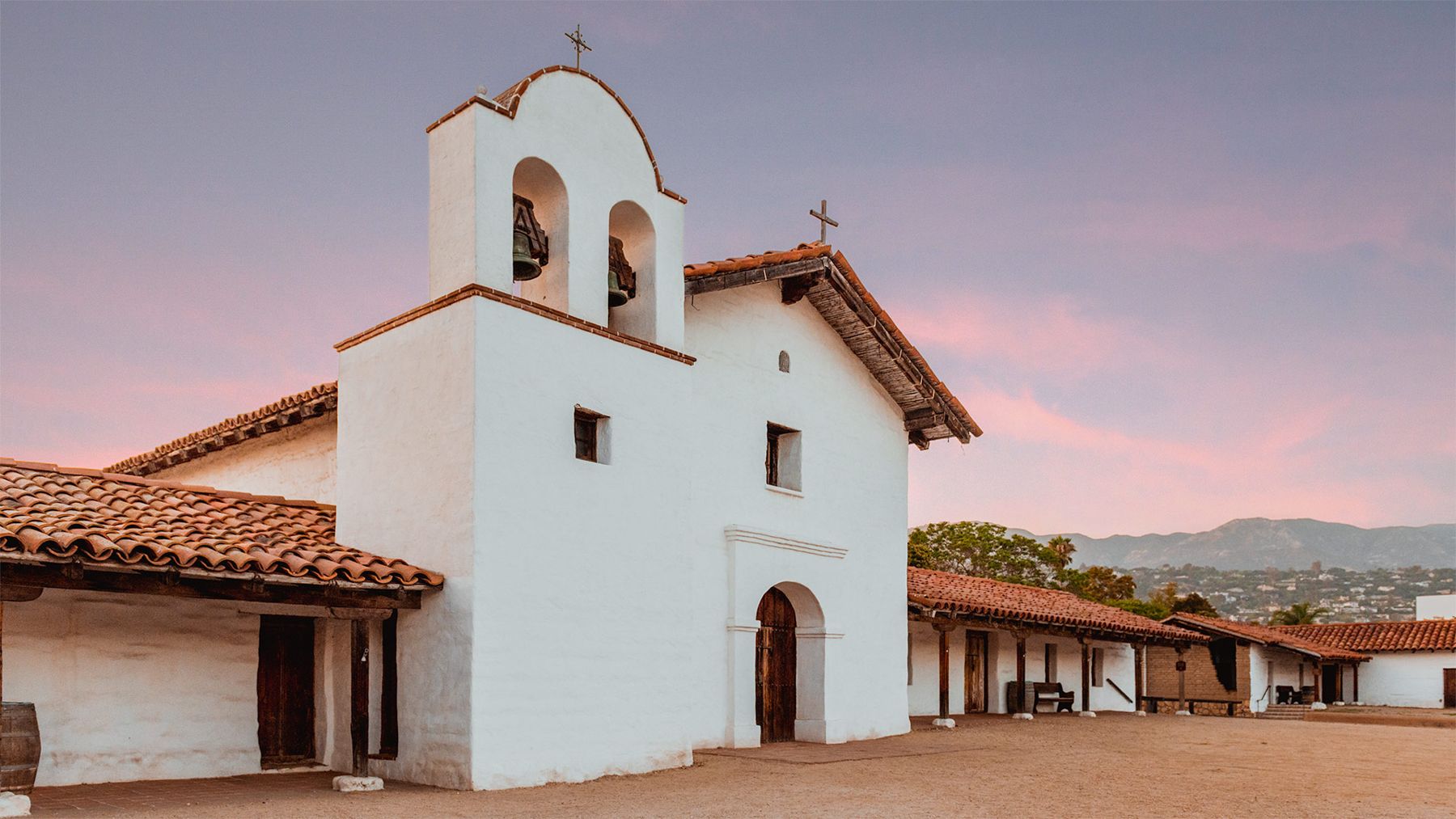
Stand on the packed-earth parade ground at the corner of Canon Perdido and Santa Barbara streets in late afternoon and the light does something the rest of downtown cannot. It flattens the whitewash of the chapel into a single bright plane, catches the bells in their open arches, and lays the long shadows of the corredor posts across the dirt. Behind it all, over the roofs, sit the Santa Ynez Mountains. It looks old, and part of it is. The rest is a careful argument about what was here.
This is El Presidio de Santa Bárbara, the fort that gave this magazine its name. It is not a ruin and not quite a replica. It is a place being put back together from foundations, two surviving adobes and a great deal of digging.
A fort at the edge of an empire
Spain founded the presidio on April 21, 1782, while the American Revolution was still being fought on the other side of the continent. It was the fourth and last of the military forts Spain built along the Alta California coast, after San Diego, Monterey and San Francisco. Its job was to guard the channel, protect the missions that were to come, and give the Crown a base between the far-apart settlements to the south and north.
Governor Felipe de Neve chose the site, and Lieutenant José Francisco Ortega became its first commander. Father Junípero Serra blessed the ground. The mission he hoped to found alongside it had to wait: Mission Santa Barbara was not established until 1786, two years after his death, and on a rise a mile and a half inland.
The fort itself was a quadrangle of adobe rooms built around a large open plaza, with an outer defensive wall. Along its sides ran the comandancia, the soldiers' family quarters, storerooms and, at the head of the square, the chapel. The walls were sun-dried brick laid on stone foundations, plastered and whitewashed, and roofed first with thatch and later with fired clay tile. 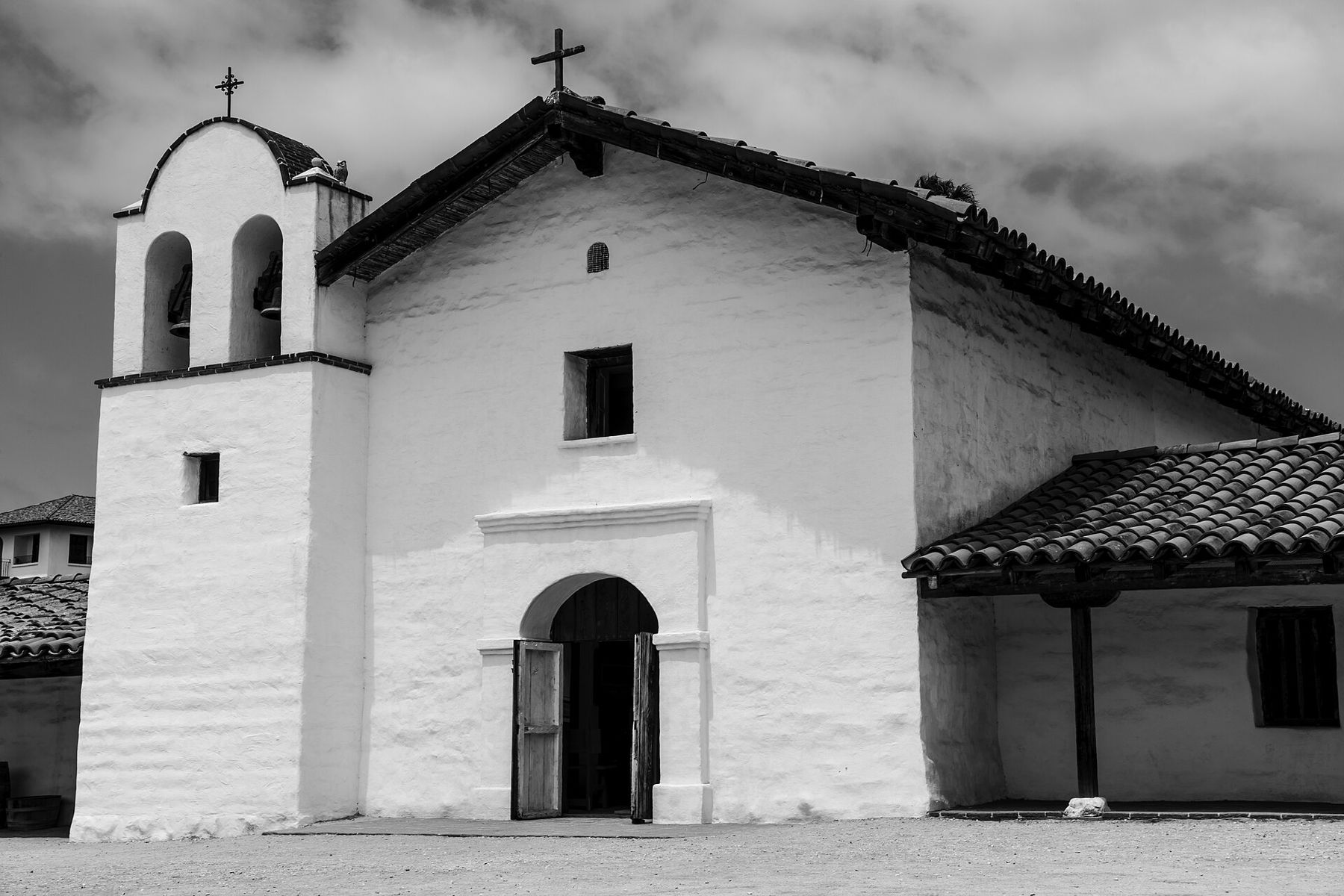
The soldiers who lived here came with their families, most of them from Sonora and Sinaloa. Their children grew up and married into the town that formed outside the walls. Many of the old Santa Barbara family names start here.
El Cuartel and the long decline
Earthquakes in 1812 cracked the walls, and the garrison repaired them. When Mexico won its independence the presidio passed to the new government, and news of the change reached Santa Barbara in 1822. Through the Mexican years the fort still mattered as a seat of local power, but the town around it grew, and its families moved into houses of their own. The grandest of them, Casa de la Guerra, was built by a presidio commander two blocks away.
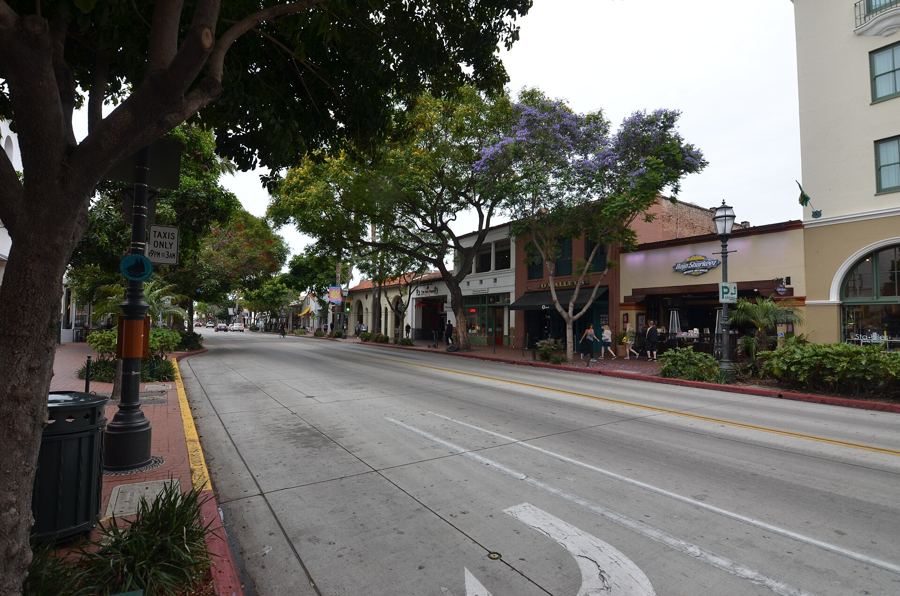
After California joined the United States the fort lost its purpose. Adobe is a material that wants to return to the ground, and without constant replastering it does. Neighbors took bricks for their own buildings. The new American street grid ignored the old quadrangle, and Canon Perdido Street was laid straight through it. Houses, shops and garages rose on the foundations. By the twentieth century the presidio had nearly disappeared into the city.
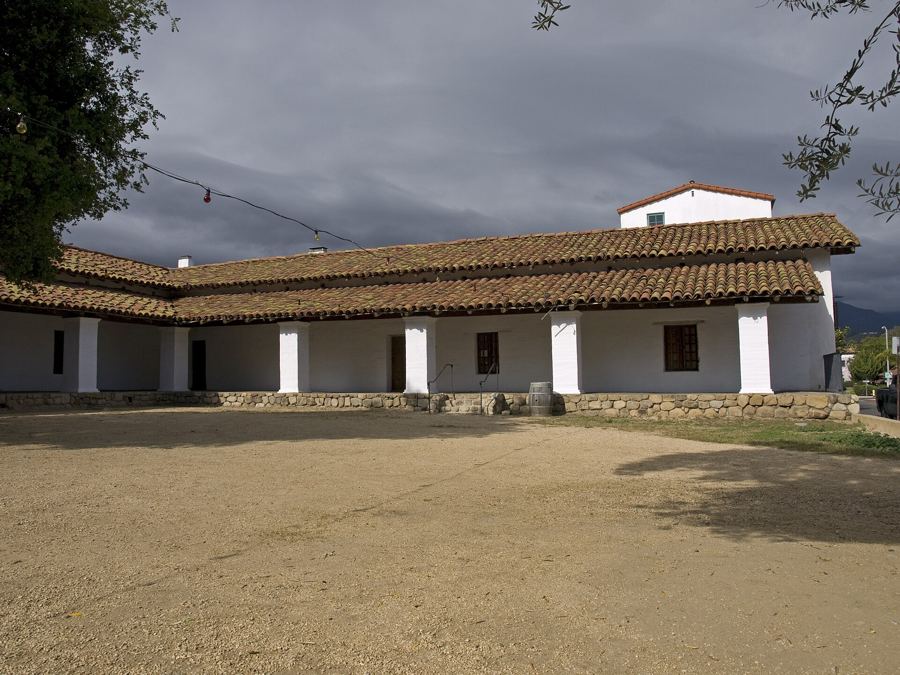
Two pieces survived. One is El Cuartel, a small two-room adobe that housed a soldier's family, on the north side of Canon Perdido. It is the oldest building in Santa Barbara and one of the oldest standing in California. The other is the Cañedo Adobe, also part of the soldiers' quarters, now restored and used by the park. 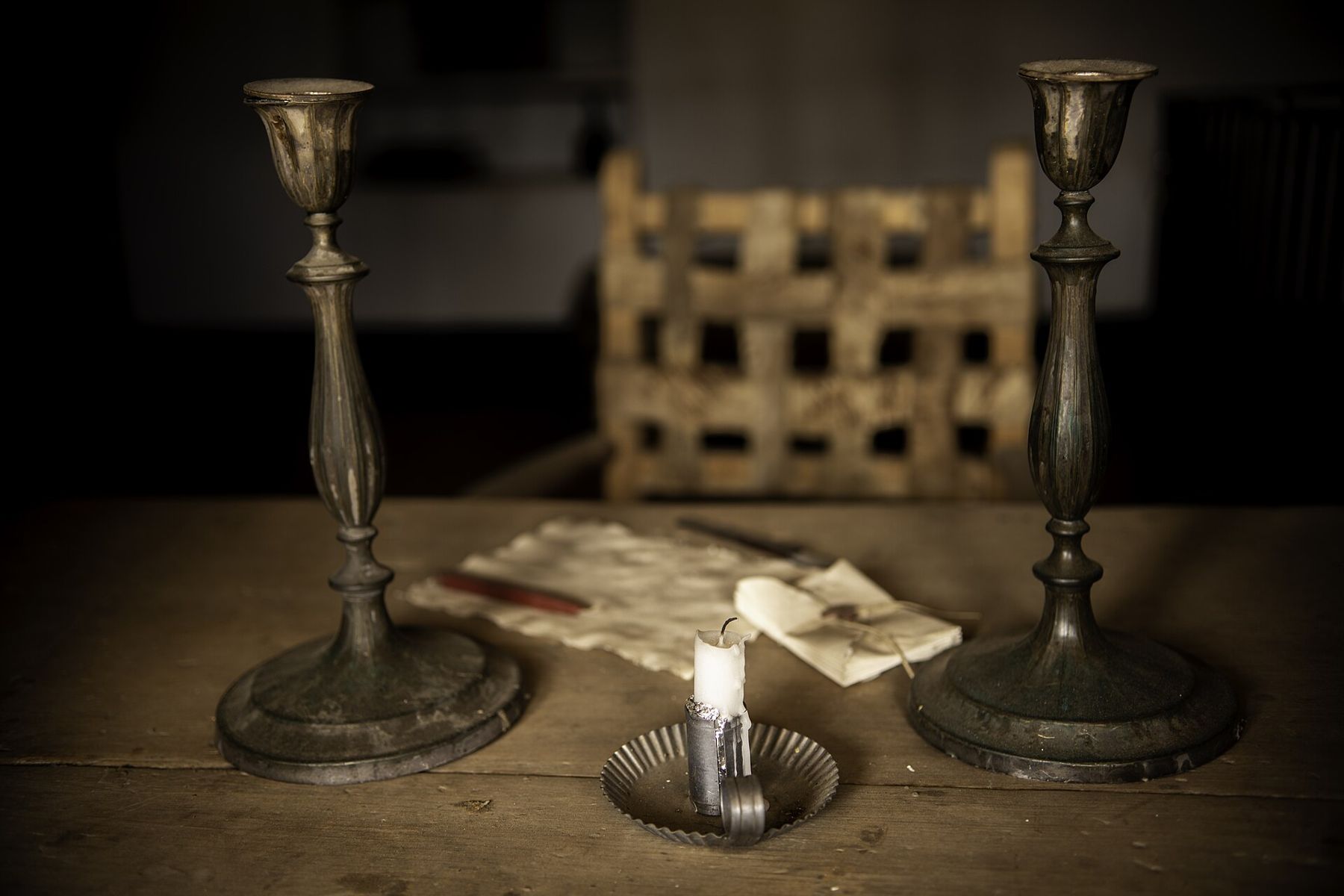
In the early twentieth century this part of town took on another life. Santa Barbara's small Chinatown and Japanese neighborhood grew along Canon Perdido Street, on and around the presidio's old ground. Most of that is gone too, and the park now tells part of that story alongside the Spanish one.
Digging it back up
The rescue began with citizens. In 1963 a group of Santa Barbarans formed the Santa Barbara Trust for Historic Preservation, with the presidio as its central purpose. In 1966 the state made the site a historic park, and the trust took on its care in partnership with California State Parks.
What followed was slow work. Archaeologists excavated the foundations of the chapel and the rooms beside it and found the original footprints, floor levels and the remains of everyday life. Researchers combed the mission and military records for room sizes and building details. Then builders made new adobe bricks by hand, from earth and straw, and laid them on the old lines.
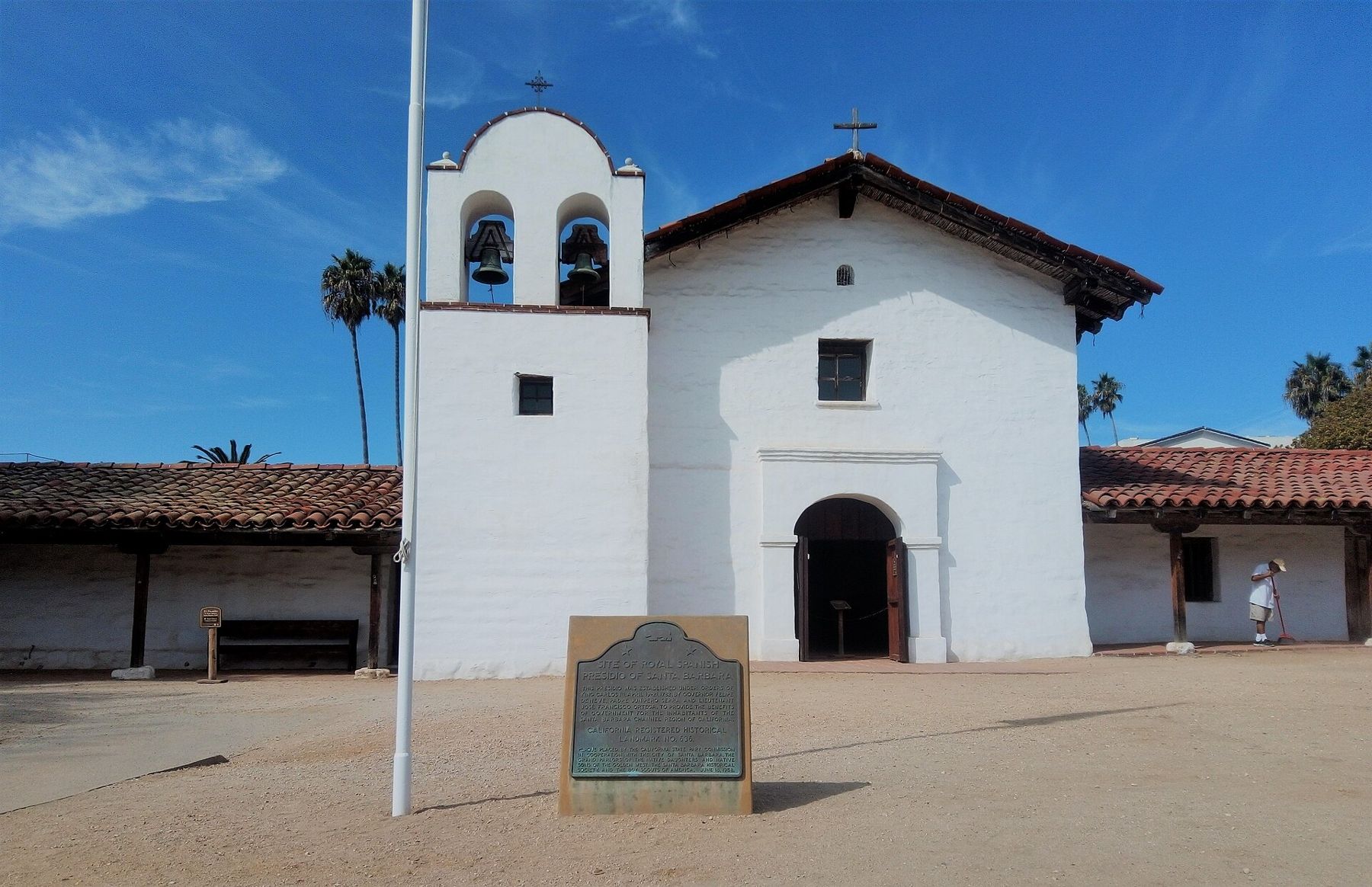
The chapel was the centerpiece. It went back up on its original foundations and was dedicated in 1985. Inside, the walls are painted in the strong colors of the period, the altar stands at the far end of a long, plain nave, and light falls through a few small windows high in the thick walls.
It looks old, and part of it is.
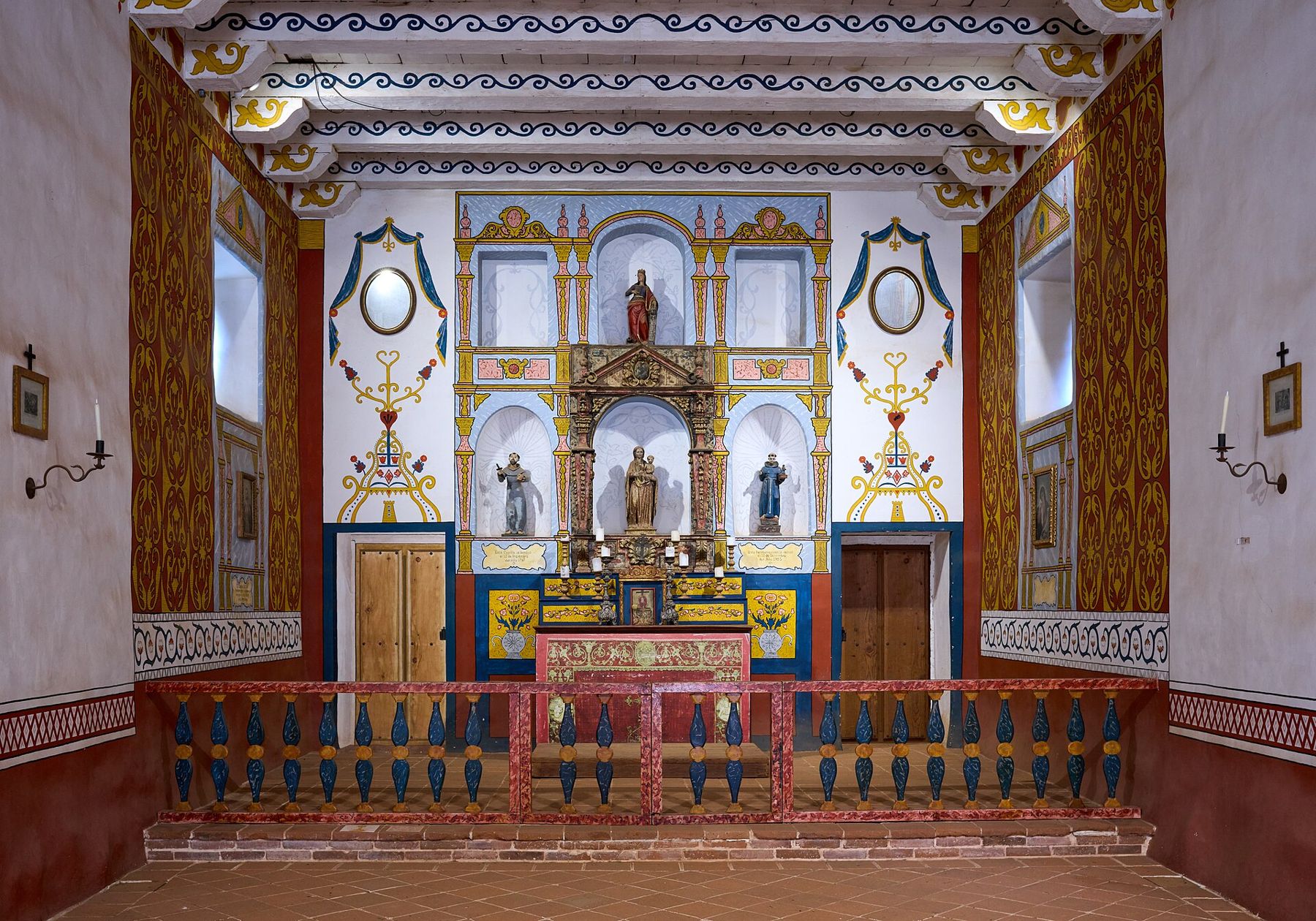
Since then the trust has rebuilt more of the northwest corner of the quadrangle: the padre's quarters and a run of rooms along the old walls. Each piece goes up only after the ground beneath it has been dug and recorded. Work continues, and so does fundraising, so the fort you see this year may be a little larger than the one you saw last time. 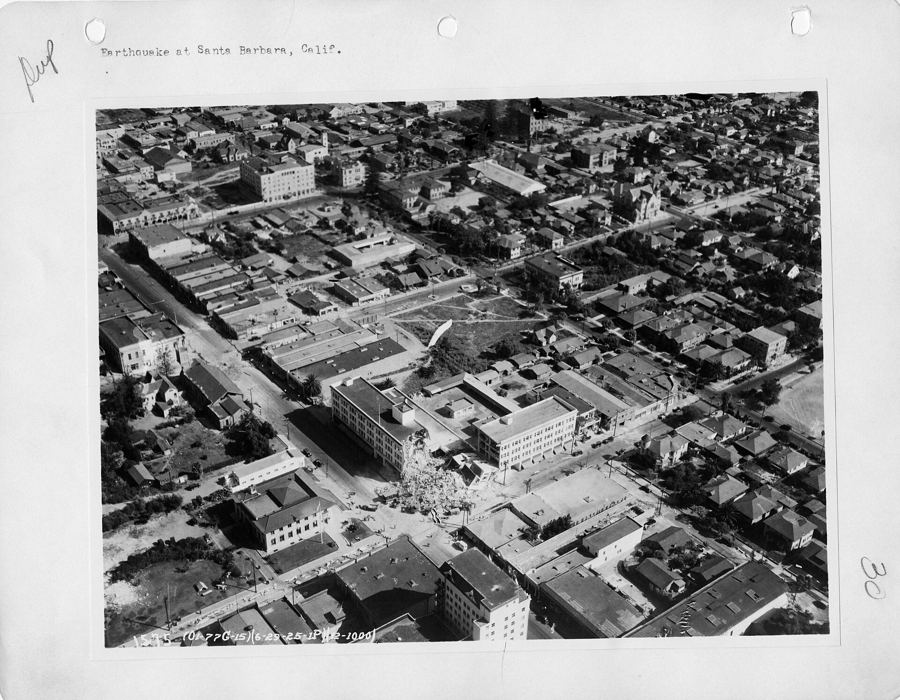 Also on Presidio PostThe earthquake that made Santa Barbara Spanish
Reading the reconstruction
A good way to understand the place is to look at what is new and what is old. The rebuilt rooms have crisp corners and fresh whitewash. El Cuartel, across the street, is lower, softer, and has the slightly uneven lines of a building that has stood more than two centuries. Look at the thickness of its walls in the doorway. That mass is what kept the rooms cool in August and warm in January.
Notice too how the city sits on top of the fort. Canon Perdido Street runs where the plaza was. Parts of the quadrangle lie under buildings that are still in use, and markers set in the sidewalks show where walls once ran. Standing on the corner, it takes some imagination to see the full square, which was large enough to drill troops and hold a town's public life.
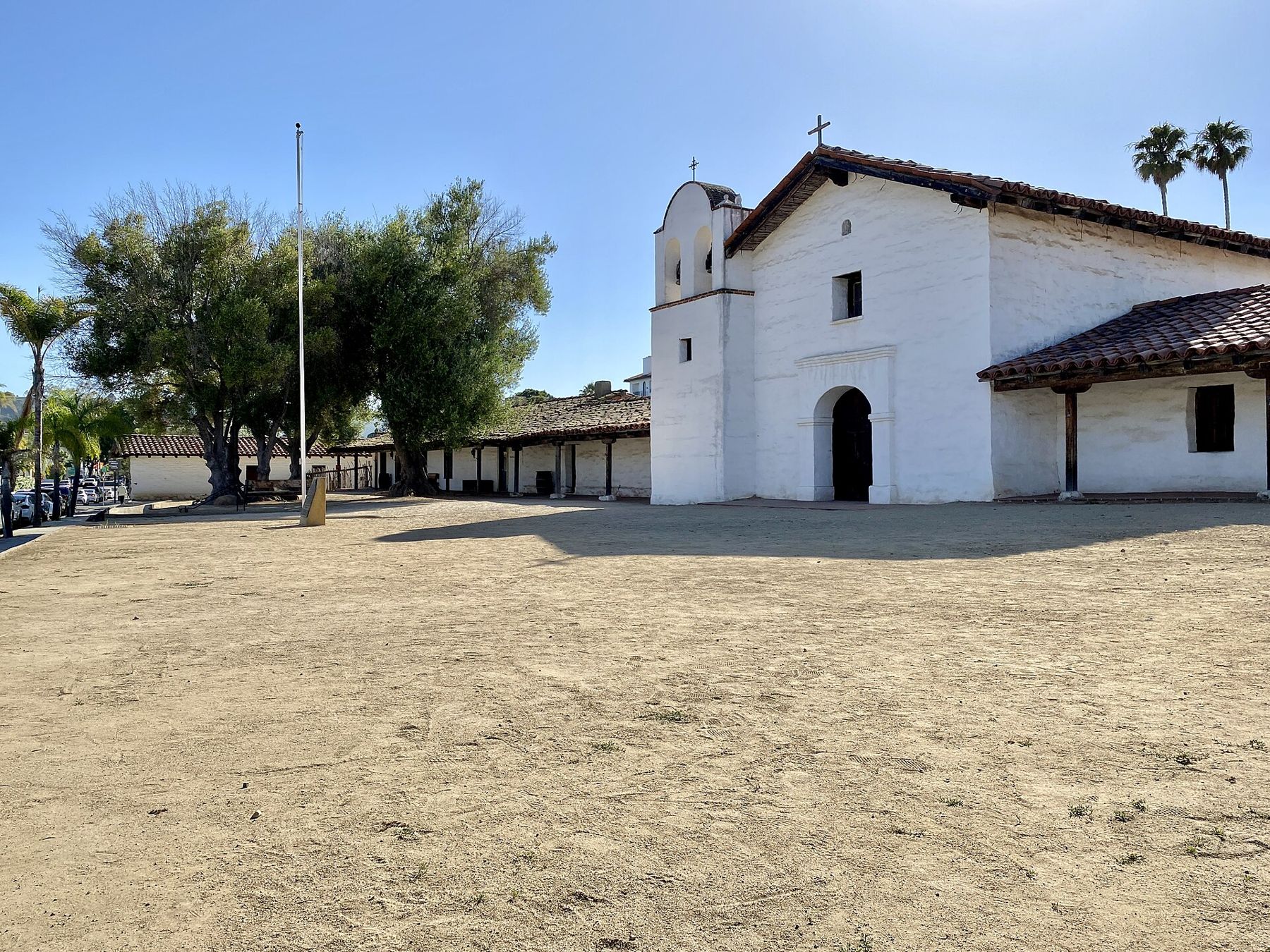
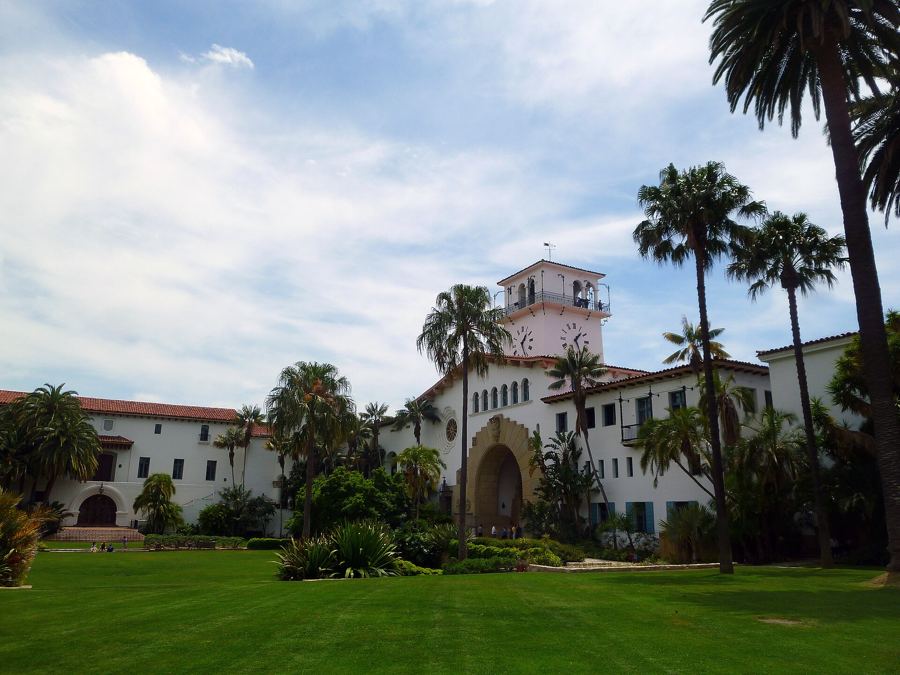
The reconstruction also explains the look of the rest of downtown. When Santa Barbara rebuilt in a Spanish style after the 1925 earthquake, it was partly reaching back to buildings like these: white walls, deep porches, red tile, small windows. The Courthouse and El Paseo are the elaborate version. The presidio is the plain original.
What you can see today
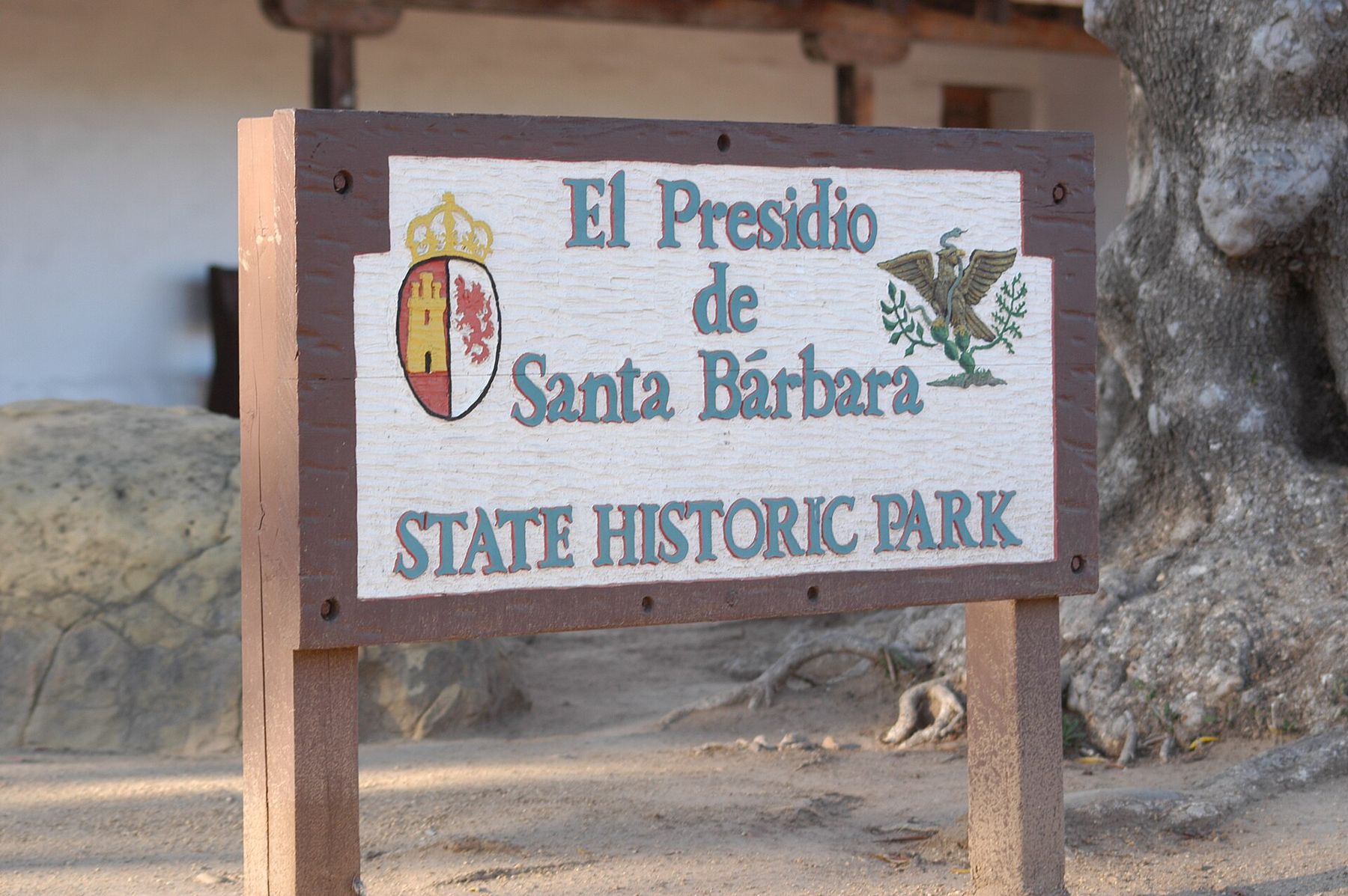
The park entrance is on East Canon Perdido Street, a short walk from State Street. Inside, the chapel is the first stop. Then walk the rebuilt rooms along the corredor, where furnished interiors show how a soldier's family or an officer lived, and where small exhibits cover the founding, the soldiers and the archaeology. Look for the bells in the tower, and for the outlines of excavated foundations in the parade ground.
Cross the street to El Cuartel. It is small, and that is the point: this is what most people in early Santa Barbara lived in. Nearby, the trust's buildings and the Cañedo Adobe hold more exhibits and a research library. Admission is a modest fee, and the opening days and hours change with the season, so check before you go.
The presidio fits naturally into a longer walk. It is one of the stops on the Red Tile walk, a block from the Lobero Theatre and two from Casa de la Guerra. If you have the morning, climb the Courthouse clock tower first and find the presidio from above. Then come down and walk the parade ground, and continue up the hill to Mission Santa Barbara, the church the soldiers were sent here to protect.
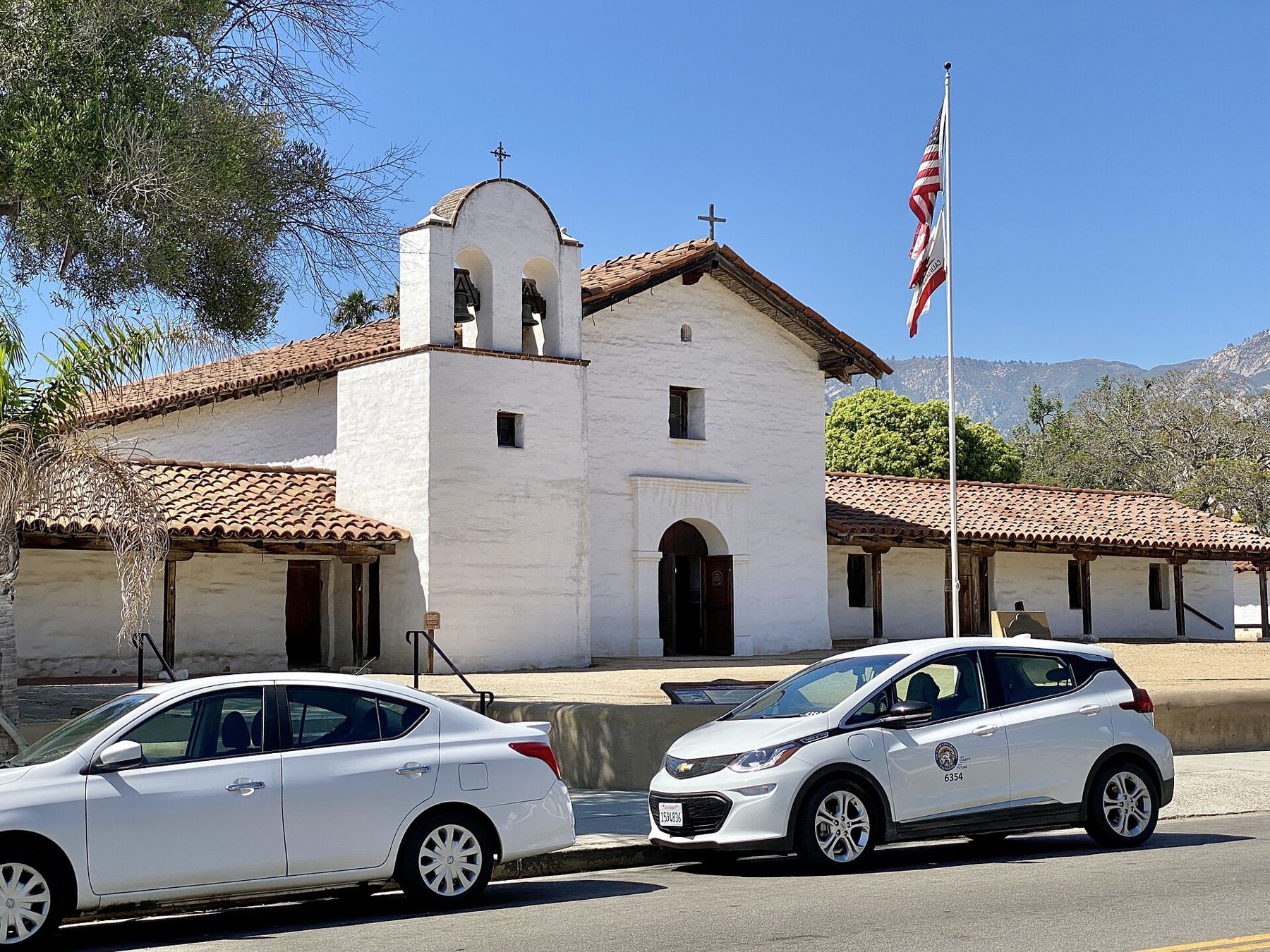
Come back in the evening if you can. Events sometimes use the parade ground, and on quiet nights the white chapel holds the last of the light long after Canon Perdido Street has gone grey.