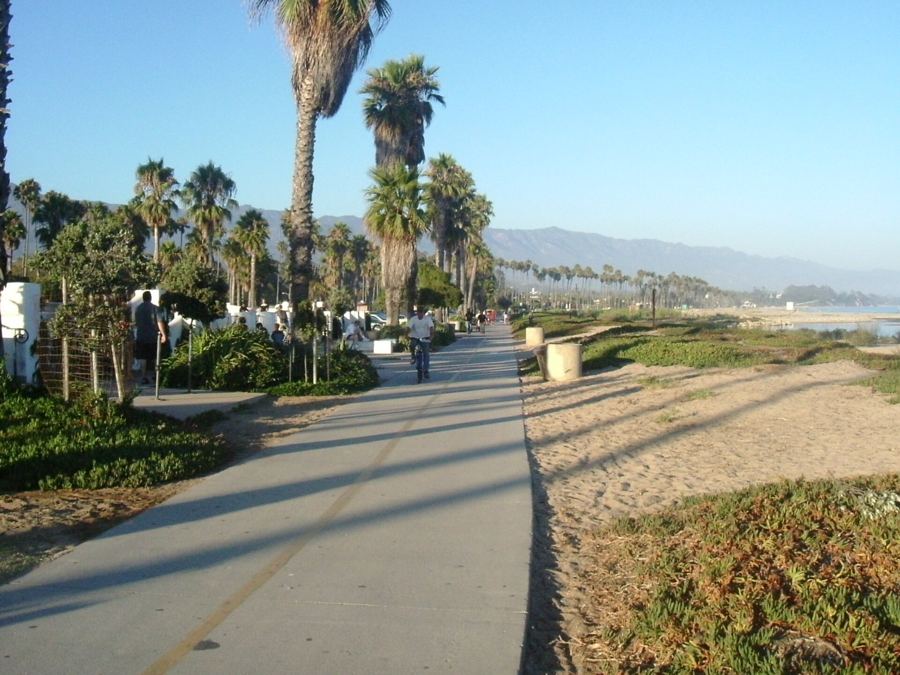
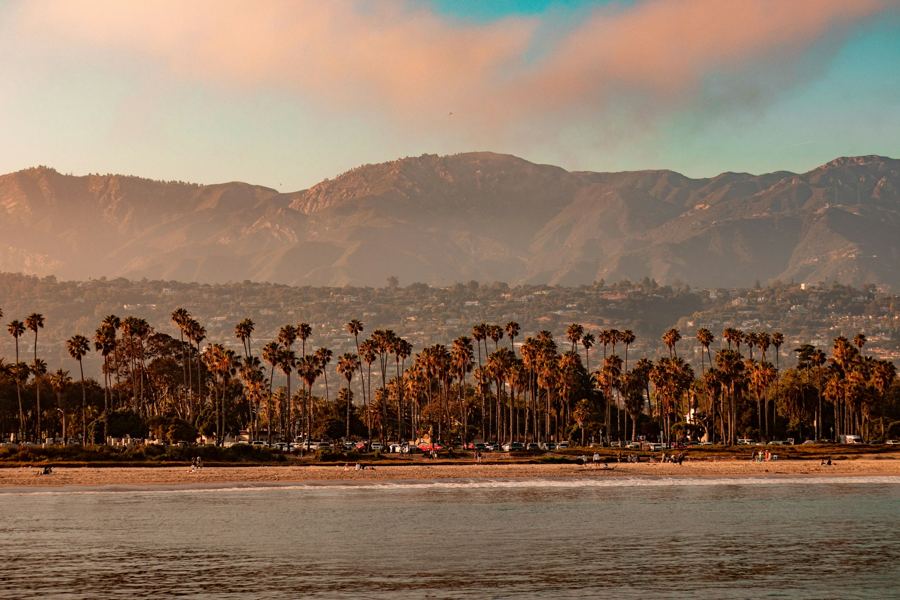
The calendar says summer starts in June. The sky over Santa Barbara disagrees. Through much of May and June a low grey ceiling slides in off the channel at night and sits on the waterfront until noon, sometimes all day, while the valley over the mountains bakes in sunshine. Visitors who planned a beach week stand on Cabrillo Boulevard in sweatshirts, looking for a sun that arrives, reliably, three months later.
The city's weather is mild in every month, so there is no wrong time to come. There are, though, better and worse times for particular things, and they are not always the ones people expect.
What is the short answer?
September and October. The fog that dominates early summer has usually burned off for the season, the ocean is as warm as it gets, the crowds of July and August have thinned once schools go back, and the light turns low and gold in the late afternoon. Daytime highs on the coast typically run in the mid to upper 70s Fahrenheit, with warmer spells.
A close second is late March through April, when the hills are still green from the winter rain, the wildflowers are out on the front-country trails and the town is busy without being full. For quiet and clear air, pick a dry week in January or February.
Why is June so grey?
Cold water and warm land. In late spring the ocean off the coast is still cool, and when warm air sits over it a thick layer of marine cloud forms and drifts ashore overnight. Locals call it May Gray and June Gloom. On many days it burns back to the beach by late morning; on others it never leaves the waterfront at all.
The fog is shallow. Drive twenty minutes up and over San Marcos Pass and you are usually in bright sun, often 15 or 20 degrees warmer, which is one reason early summer is a good season for the wine country of the Santa Ynez Valley. On the coast, plan June mornings for the town and hope for the beach after lunch.
How wet is winter?
Santa Barbara gets nearly all its rain between November and March, and in a typical year the total is modest, somewhere around 18 inches downtown. The average hides a wide spread. Some winters are nearly dry; others bring storm after storm off the Pacific, and a single system can drop several inches in a day.
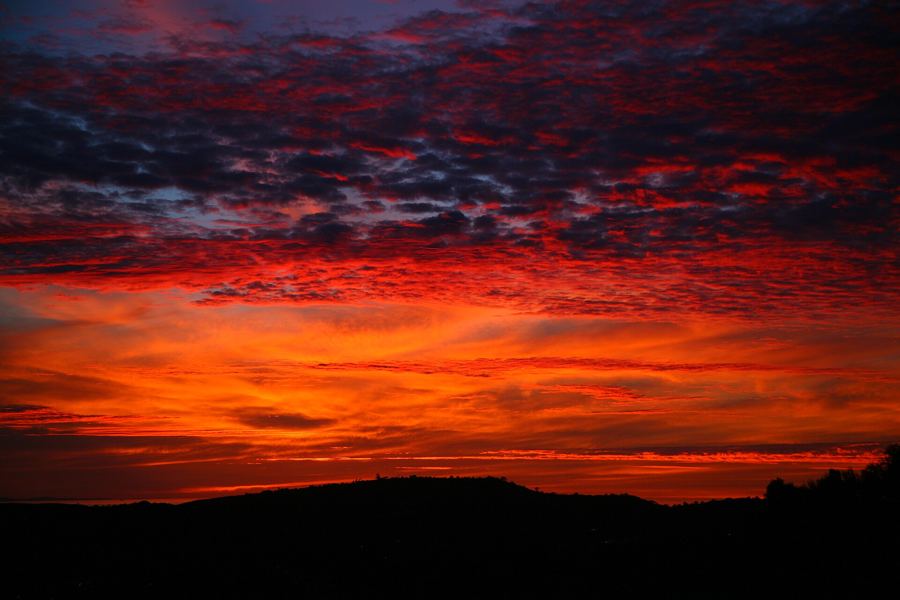
Between storms, winter is often the clearest season of the year: highs in the mid 60s, cold nights, snow now and then on the higher peaks, and the Channel Islands standing sharp across the water. Heavy rain closes canyon roads and trails, and the foothills below old burn scars are watched closely in big storms. The story of winter in Santa Barbara is as much about that light as the rain.
When do the hills turn green?
Usually within a few weeks of the first good rain, and they stay green into spring. Late February through April is wildflower time on the trails above the city, with lupine, ceanothus and California poppies on the open slopes and the creeks in the canyons running for once. Seven Falls and the pools in Rattlesnake Canyon are at their best then, and the front-country hikes are cool enough to start late in the morning.
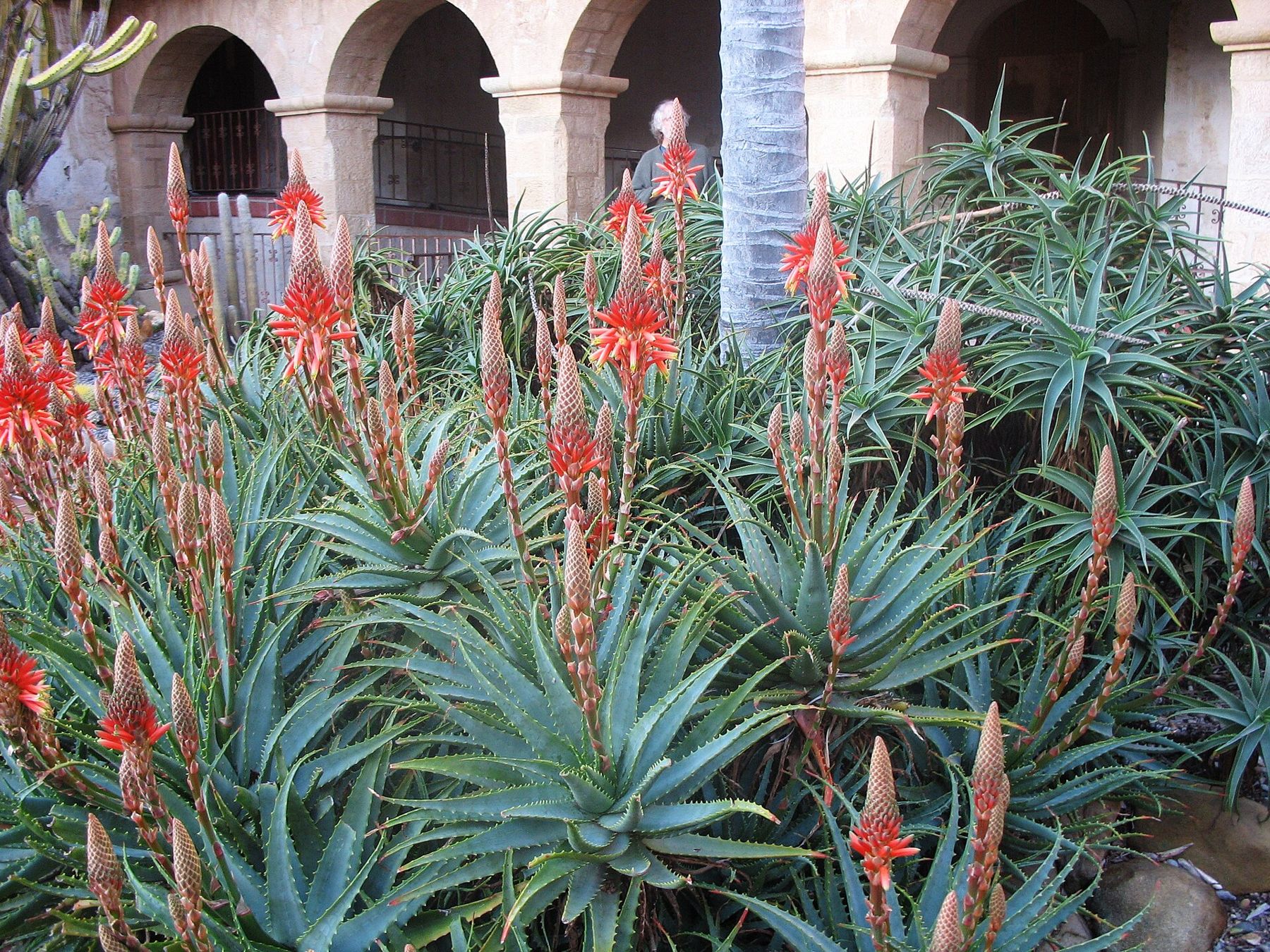
In town, the gardens bloom on their own schedule. The tree aloes around the Mission put up spikes of red flowers in the cool months, when little else in the beds is showing colour.
When is it really hot?
Rarely, and usually in autumn. A few days a year, hot dry wind blows down off the mountains toward the sea and pushes coastal temperatures into the 90s or higher. The strongest of these evening downslope gusts have a local name, the Sundowners, and they are the winds that drive the region's worst wildfires.
Fire weather is a fact of life from late summer into autumn, and some years beyond. On red-flag days, check road and trail closures before heading into the hills, and keep an eye on air quality if smoke is in the area.
 Also on Presidio PostThree days in Santa Barbara
When are the crowds worst?
Summer weekends, especially in July and August, and every long holiday weekend of the year. Hotel prices rise accordingly, and on a Saturday in August the waterfront lots and the beach path fill early. University graduation weekends in June bring a rush of families to Santa Barbara and Goleta, and rooms go fast.
The quietest stretch is midweek from January through early March, outside the film festival. Late autumn, after the October heat and before the holidays, is also calm. If dates are flexible, arriving on a Sunday and leaving on a Thursday changes the trip more than any choice of month.
Which events are worth planning around?
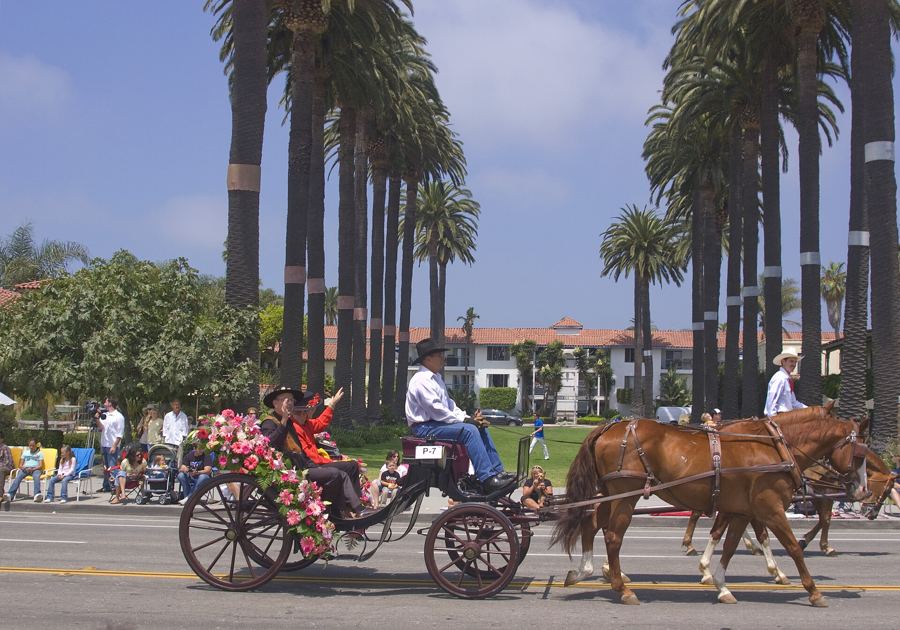
A few dates shape the year. The Santa Barbara International Film Festival fills downtown theatres in winter, usually in February. The Summer Solstice Celebration brings a homemade, costumed, wildly inventive parade up State Street on a weekend near the longest day in June. Old Spanish Days, known to everyone as Fiesta, takes over the city in early August each year, with parades, horses and confetti. In October, Carpinteria holds its avocado festival down the coast.
Exact dates move from year to year, so check before you book. Fiesta in particular is worth either aiming for or avoiding on purpose: it is the busiest week in town.
When can you see whales and butterflies?
Grey whales pass through the channel on their migration between Alaska and Mexico, heading south in winter and north with calves in early spring; roughly December through April is their season. Humpbacks feed in the channel from spring into autumn, and in summer the largest animals on earth, blue whales, can turn up offshore. Boats leave from the harbor year round.
Monarch butterflies spend the winter clustered in the eucalyptus groves of Ellwood Mesa in Goleta, usually from around November into February. Their numbers vary a great deal from year to year.
Has it always been a winter town?
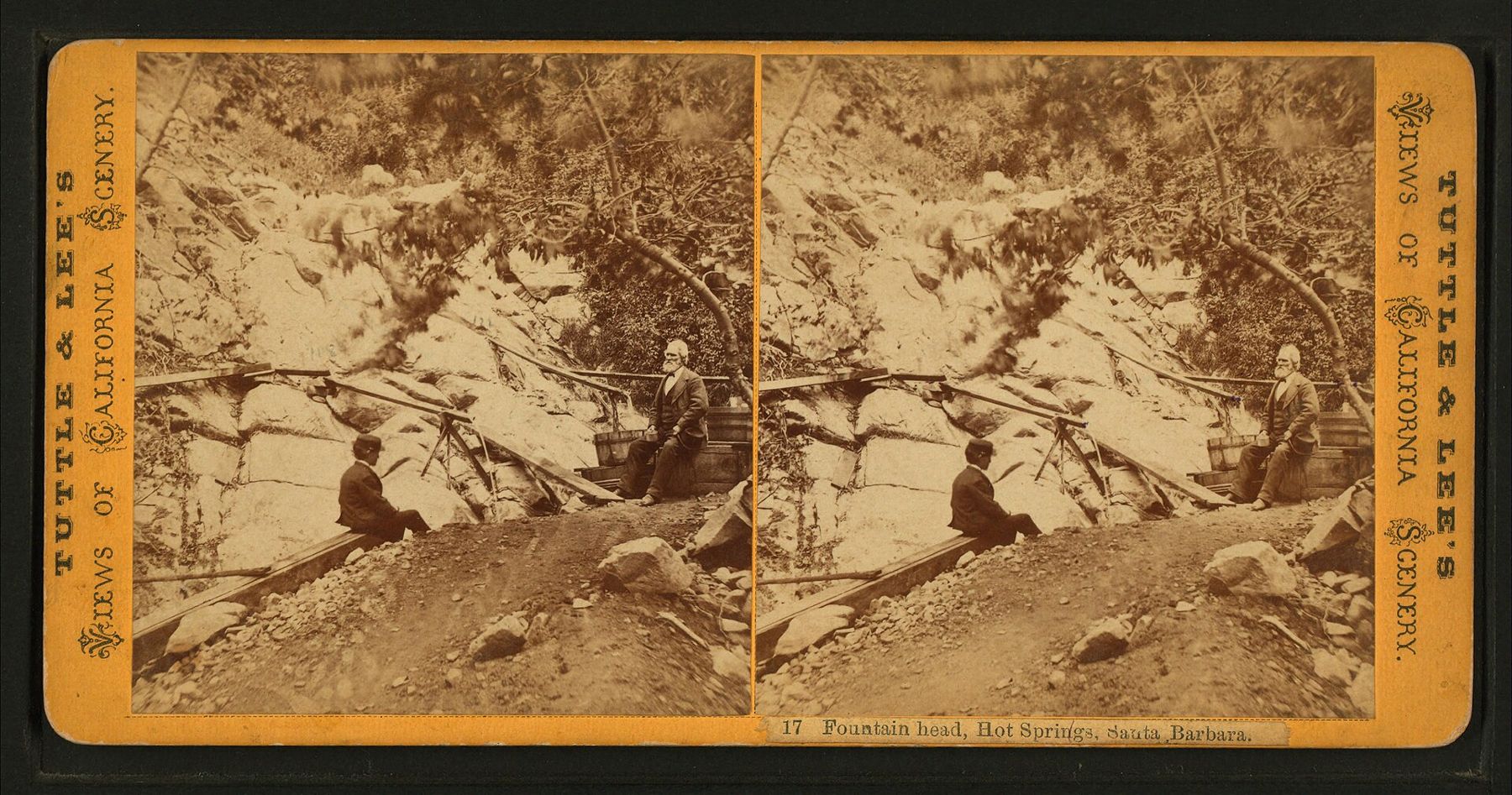
It began as one. In the 1870s and 1880s, Santa Barbara was sold to the East as a health resort, a place where invalids from cold cities could spend the winter in sunshine. Visitors took the waters at the hot springs in the canyon above Montecito and stayed for months in the big hotels downtown.
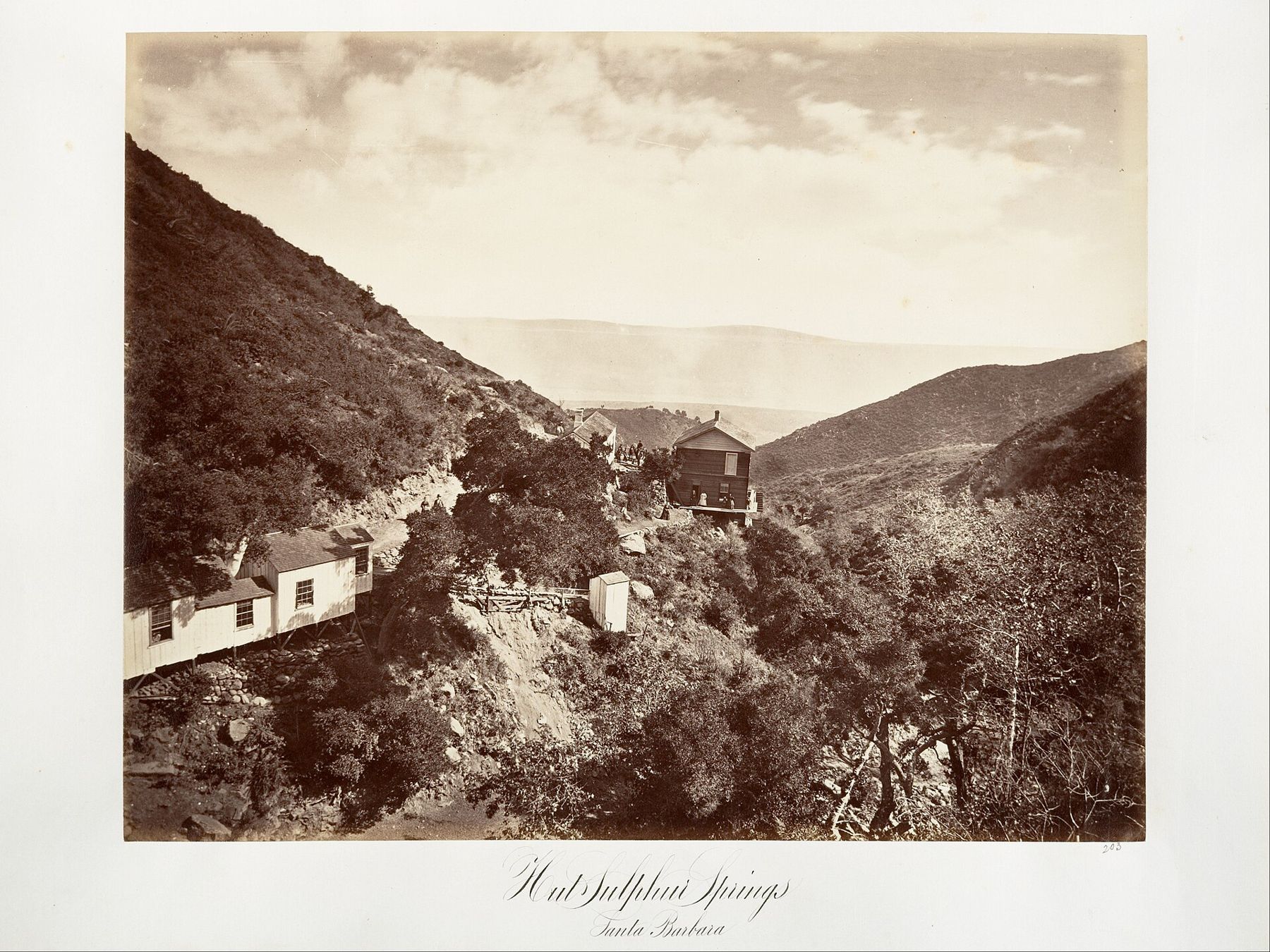
The summer beach season came later, with the automobile and the coast highway. The old instinct still holds up: the winter sun here is real, and the town is at its least crowded when the rest of the country is coldest.
What should you pack?
Layers, in any month. The temperature can drop 20 degrees between a sunny afternoon and a foggy evening, and nights are cool even in summer. Bring a jacket for the waterfront, shoes that can handle a dusty trail, and something warm for the wharf at sunset. Rain gear matters only from November to March, and then only if a storm is in the forecast; you will usually know days in advance.