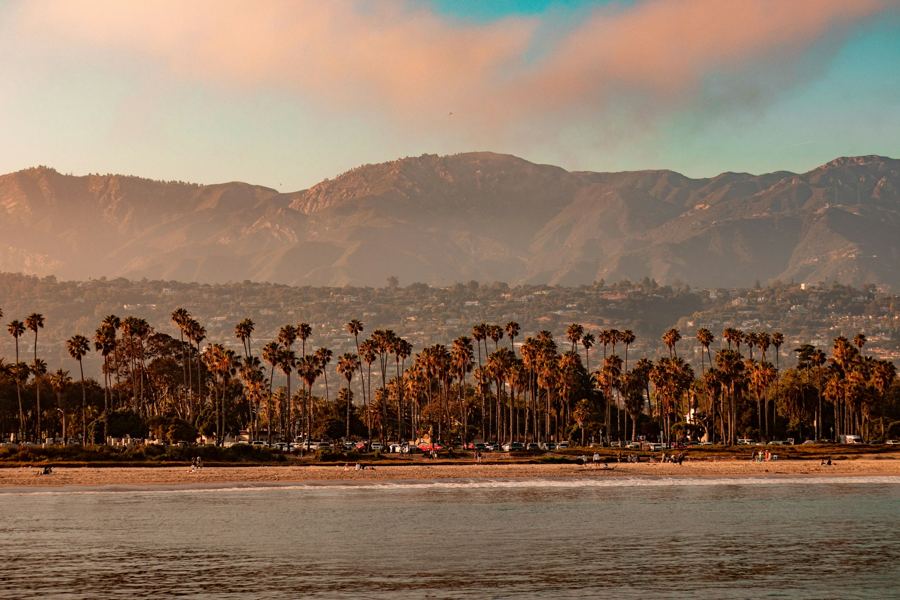
The morning after a winter storm, Santa Barbara looks rinsed. The rain has scrubbed the haze out of the air, the mountains behind the town stand so close and sharp that the rock ledges are visible from the beach, and across the channel the Channel Islands lie in a hard blue line, every ridge and cove in focus. On the higher peaks there may be a dusting of snow. The streets are wet, the creeks are loud, and almost no one is on the sand.
This is the city's secret season. The summer visitors are gone, rates fall, and the town returns to the people who live here. It is not always sunny, and some years the weather is serious. It is often the best time to come.
The quiet weeks
The quietest stretch runs from just after New Year to the middle of March, with a burst of energy in February when the film festival brings crowds to the theatres on State Street. Midweek in January, a visitor can have a table anywhere, a parking space by the beach and the Courthouse tower almost to themselves.
The weather between storms is mild. Daytime highs on the coast usually sit in the mid 60s Fahrenheit, warm enough for lunch outside in the sun. Nights are cold, often in the 40s, and inland valleys can see frost. Pack a proper jacket for the evenings and the wharf.
Winter also brings some of the lowest tides of the year, and on the West Coast in winter they tend to fall in the afternoon. On those days the reefs off the Mesa and down the coast at Carpinteria lie open, and the tide pools are full of anemones, sea stars and crabs. Check a tide table, watch the swell, and never turn your back on the sea.
The ocean is cold, in the high 50s, and the surfers who paddle out in winter wear full wetsuits. Winter swells from the north wrap around Point Conception, and on the best days the point breaks down the coast come alive.
A town that began as a winter resort
The winter visitor is not a new idea here. Santa Barbara's first tourist boom came in the 1870s and 1880s, when writers and promoters sold it to cold eastern cities as a place to spend the winter in the sun. Charles Nordhoff's popular book on California for health, pleasure and residence, published in 1872, did much to spread the idea. Invalids and the well-to-do came by steamer and later by train, and stayed for months.
The grand Arlington Hotel on State Street opened in 1875 to house them, and they bathed in the hot springs in the canyon above Montecito. Wealthy families followed, building winter estates in the oak groves of Montecito, which is how that town began to take the shape it has today. The summer beach season came later, with the automobile.
Whales and monarchs
Two migrations pass through in winter. Grey whales travel the length of the Pacific coast between their feeding grounds in the Arctic and the lagoons of Baja California, where they calve, and the Santa Barbara Channel lies on their route. They head south in the early part of the winter and come back north in late winter and spring, the mothers with calves close inshore. Boats from the harbor run trips through the season, and from the bluffs at Shoreline Park on a calm day it is possible to see the spouts from land. The story on whales in the channel covers the season and the boats.
The other migrants are monarch butterflies. Each autumn, western monarchs gather in coastal groves to wait out the cold, and one of the largest of these sites is the eucalyptus grove at Ellwood Mesa in Goleta. On a cool morning they hang from the branches in clusters, dull and folded, looking like dead leaves. When the sun warms them they open and lift off, and the grove fills with orange.
Their numbers rise and fall a great deal from year to year, and the season usually peaks around December and January. The walk out to the grove is covered in our story on the bluffs at Ellwood. Walk quietly and stay on the paths.
 Also on Presidio PostWhen to come to Santa Barbara
When it rains
Most of the city's rain falls in a few big storms between November and March. A typical winter brings something under 20 inches to downtown, but the average hides wild swings: some years are nearly dry, while others bring one storm after another from the Pacific, and a single system can drop several inches in a day.
When the big storms come, the town changes. Mission Creek and the other creeks that are dry most of the year run brown and fast to the sea. Canyon roads and front-country trails close. After heavy rain, the county usually posts warnings against swimming near creek mouths for a few days, because of runoff. Mud and rockfall can close sections of Highway 101 and the mountain roads, and the closures can last.
For a visitor, a rainy day is a museum day. The Museum of Art and the Natural History Museum, the Historical Museum and the Courthouse all make good shelter, and the storm itself can be a spectacle from the end of the wharf. Check road and weather warnings before driving anywhere in the hills.
The valley in the off season
Over the mountains, the wine country slows down too. In the Santa Ynez Valley the vines stand bare and brown through the winter, and crews work down the rows pruning them back for spring. The tasting rooms of Los Olivos and Solvang are quieter than at any other time of year, and on a weekday there is room at the bar to talk. After rain the hills along Highway 154 turn green, and Lake Cachuma, which sinks low in dry years, can rise fast after a wet winter.
The pass itself is worth watching in a storm. San Marcos Pass rises to more than 2,000 feet, and heavy rain, wind and the occasional dusting of snow on the higher ridges can make the drive hard. Check conditions before crossing.
The mountains and the mud
The steep Santa Ynez Mountains rise straight up behind the city, and their slopes shed water and rock fast. When wildfire strips them of vegetation, the risk becomes extreme. That is what happened in the winter of 2017 and 2018.
In December 2017, the Thomas Fire burned across the hills of Ventura and Santa Barbara counties, at the time the largest wildfire in California's modern record. A few weeks later, on January 9, 2018, a burst of intense rain fell on the burned slopes above Montecito. Mud, boulders and debris roared down the creeks in the dark, destroying homes and filling Highway 101. Twenty-three people died. The freeway was closed for nearly two weeks.
The town has worked since then on debris basins, nets and warning systems, and the county now issues evacuation warnings and orders ahead of large storms. Take them seriously if you are visiting in a storm: check the alerts, and stay out of the canyons and creek beds. The story of Montecito and its recovery is told in full elsewhere in the magazine.
The light after the storm
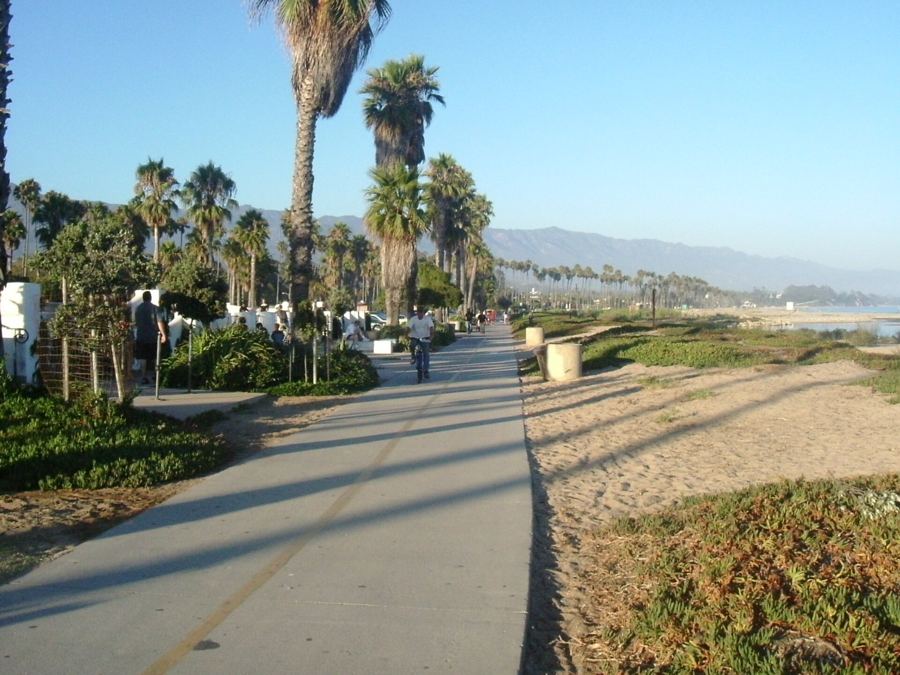
And then it clears. The storm moves east, the wind turns, and the air over the channel is washed clean. The day after a storm is the best day of the year to be here. The islands look close enough to row to, the hillsides turn green within a week or two, and the late sun throws long shadows from the palms across Cabrillo Boulevard.
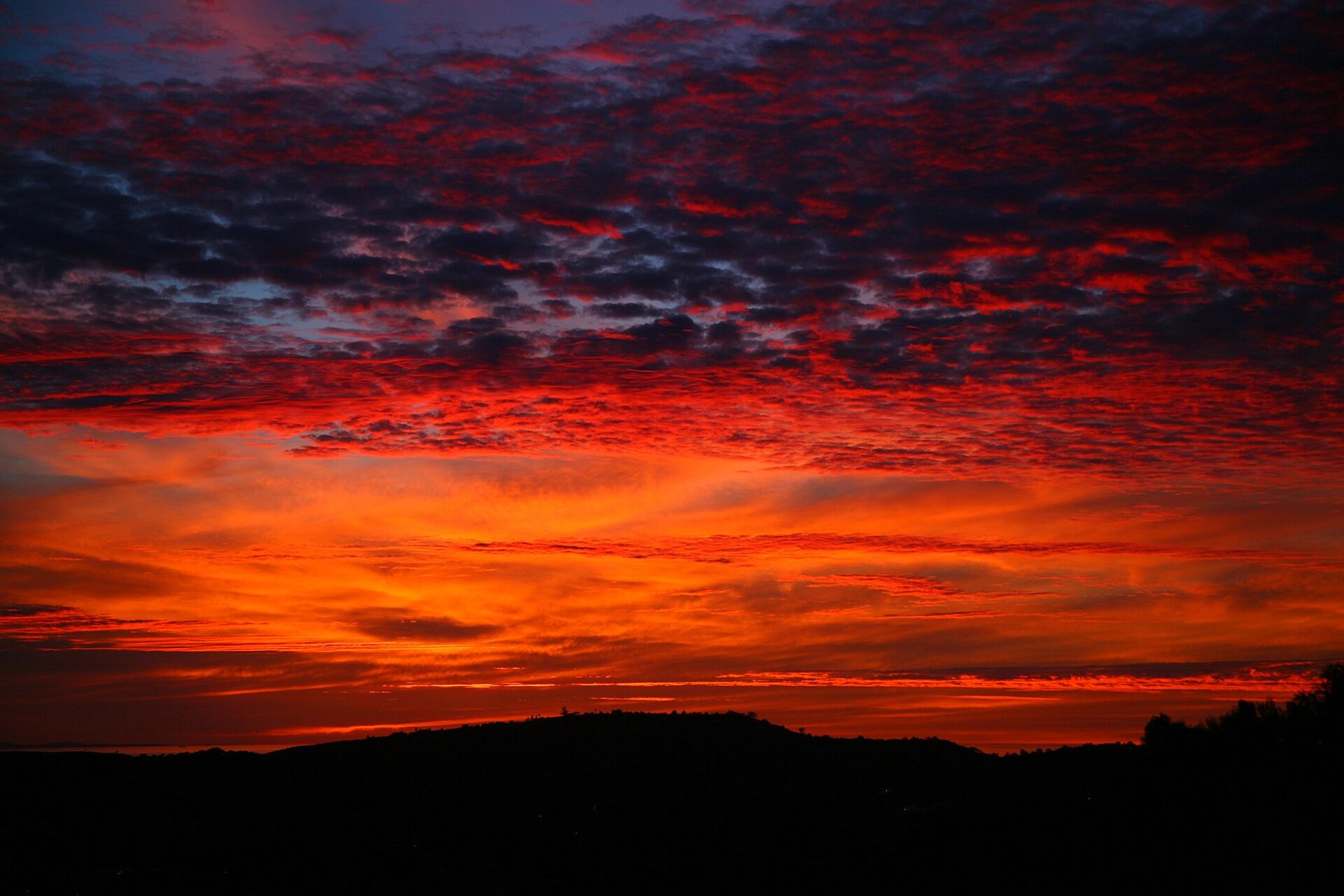
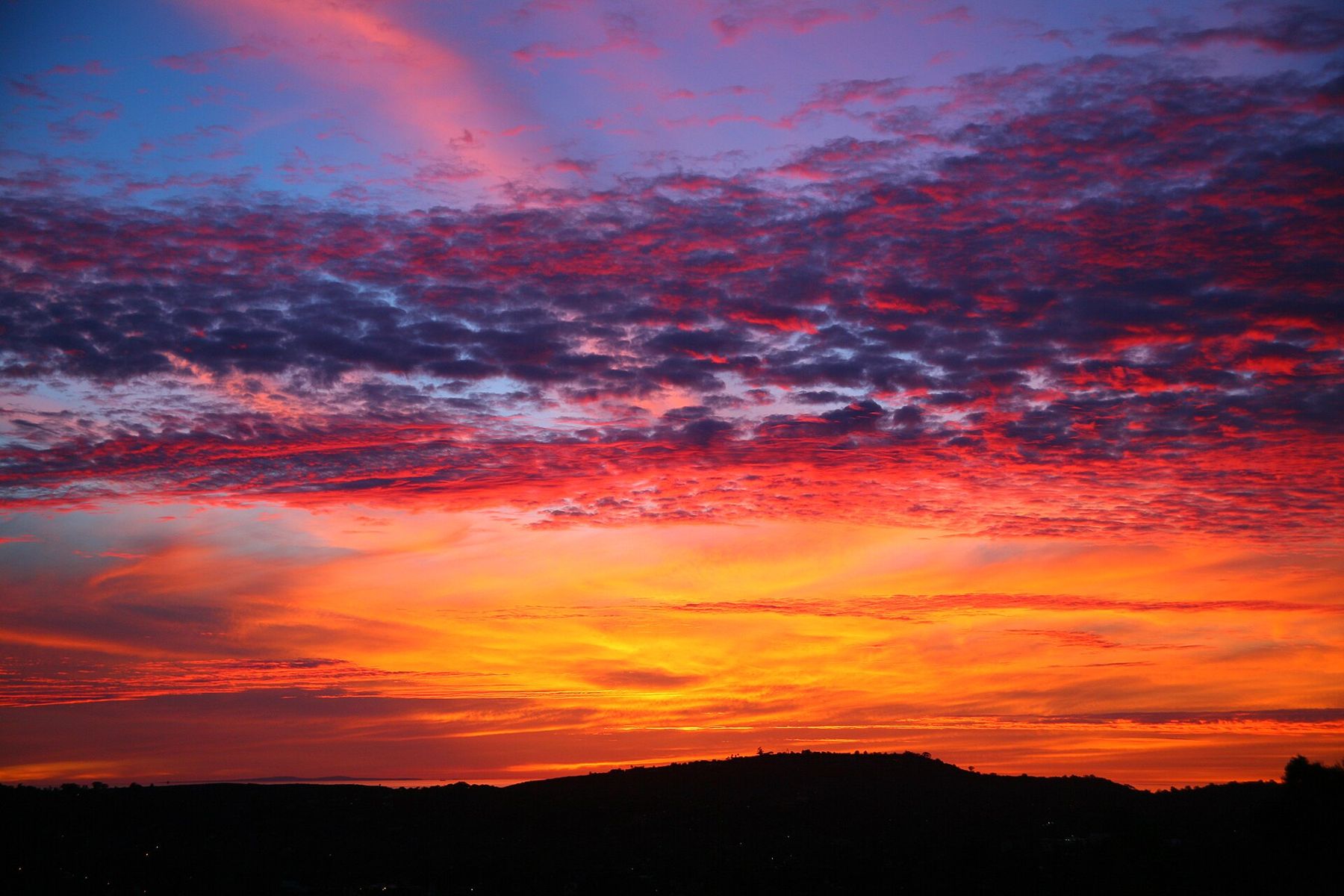
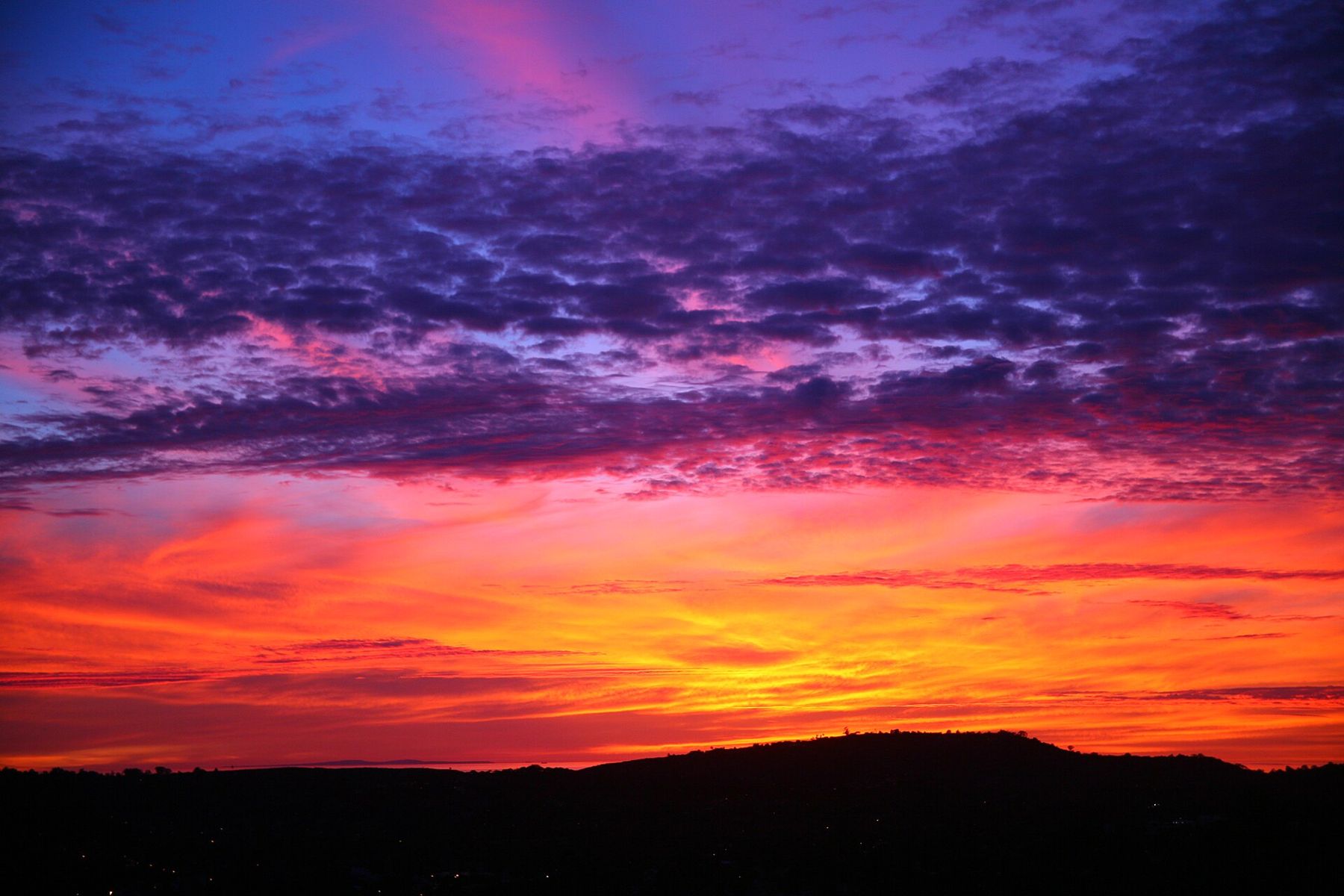
Winter sunsets are the city's finest. The sun sets far to the south of west, over the sea and the Mesa, and the last clouds of the retreating storm pick up its colour long after it has gone. Watch from the end of the wharf, from Shoreline Park or from the sand at East Beach, and stay for the ten minutes after the sun drops. That is when the sky goes from gold to red to violet.
The day after a storm is the best day of the year to be here.
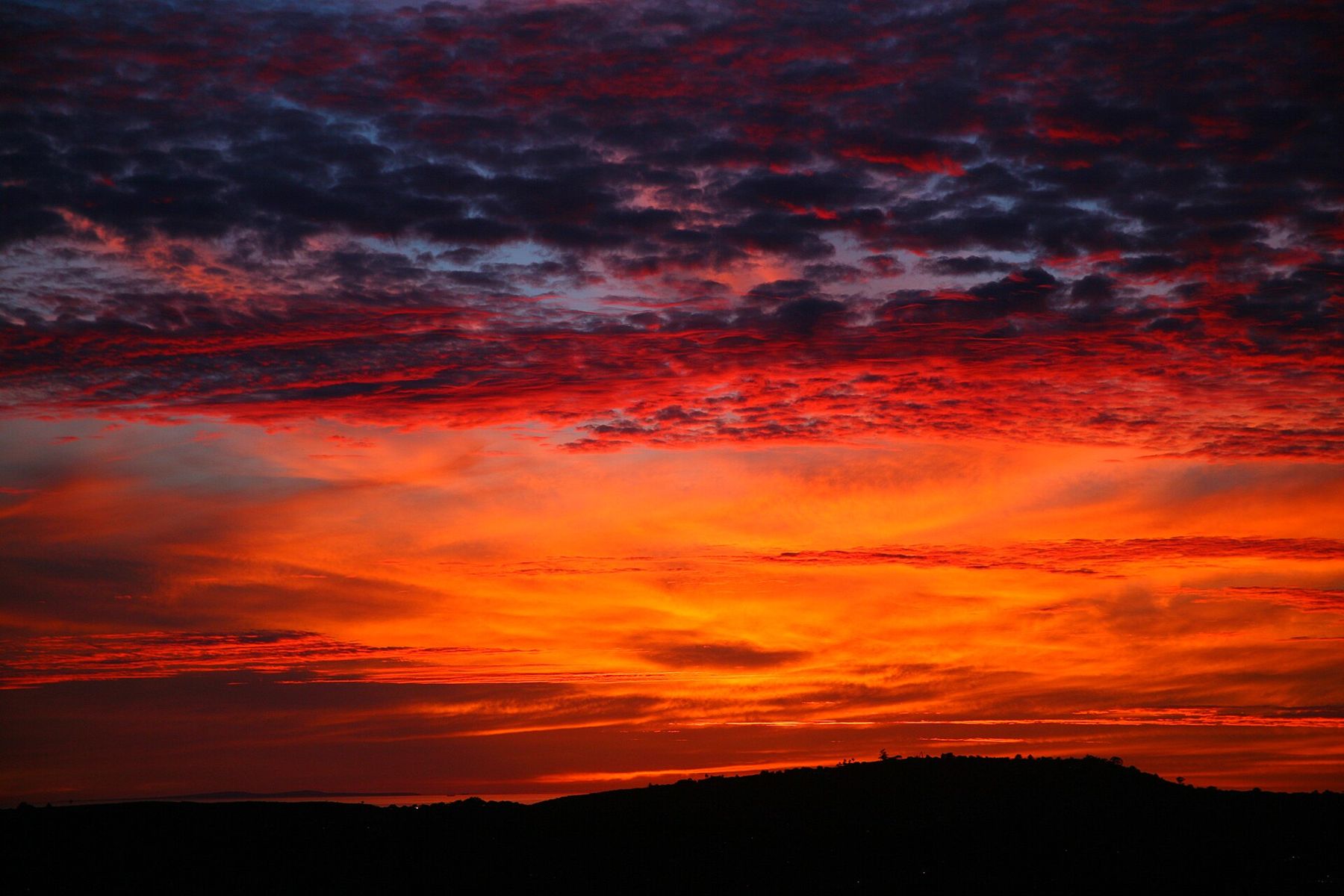
By then the beach is nearly empty and it is cold enough for a coat. Walk back along the path with the town lights coming on ahead, the mountains black against the last of the sky, and the smell of wet sage drifting down from the hills.