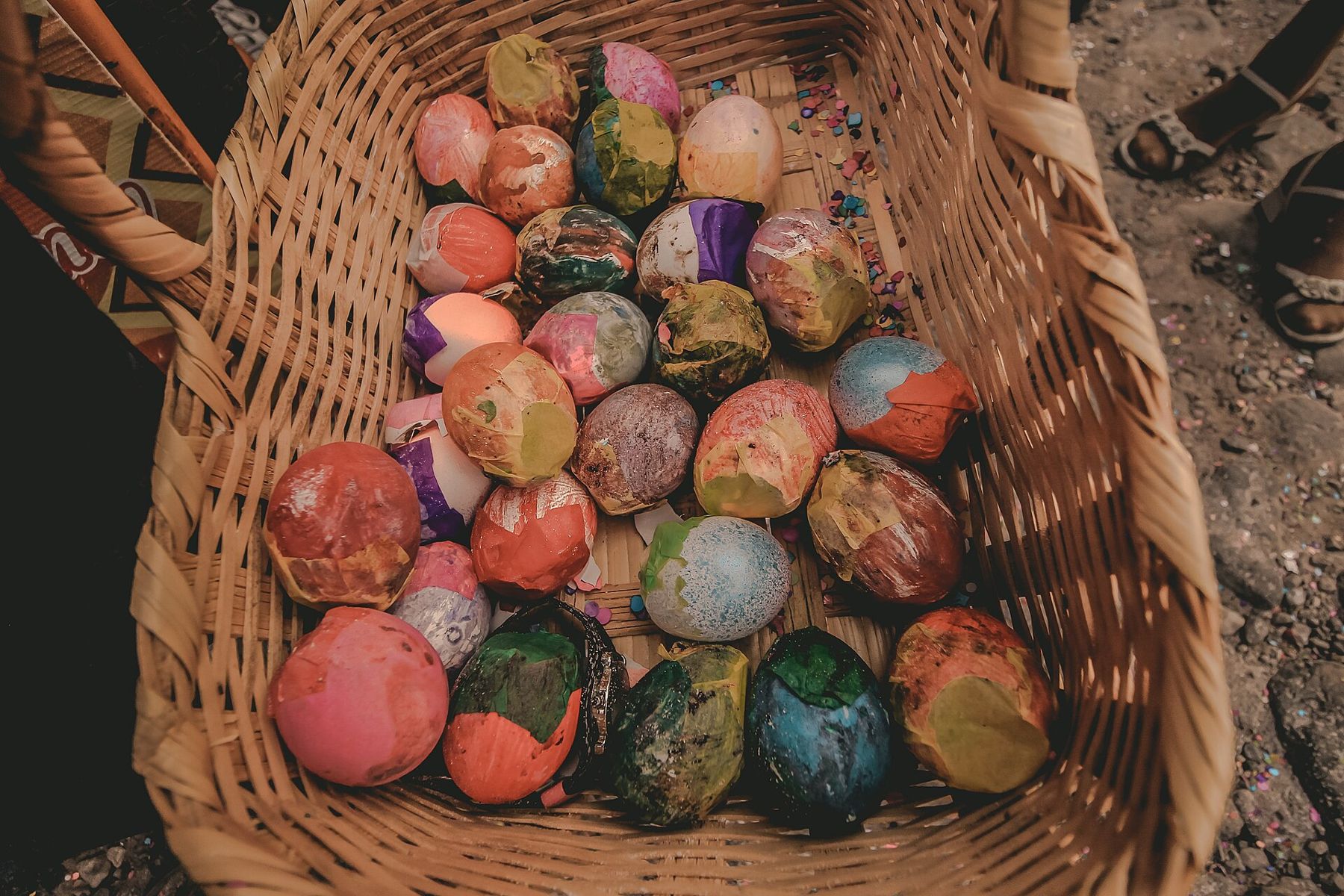
It starts with a crack on the back of the head. Someone behind you, often a child, has brought down a painted eggshell, and a shower of paper confetti spills over your shoulders and into your collar. That is a cascarón, and during Fiesta week in Santa Barbara it is a greeting, a blessing and a joke all at once. By Sunday the gutters of De la Guerra Plaza are bright with paper, and so is everyone's hair.
Old Spanish Days, which nobody in town calls by its full name, is held in early August each year. For most of a week the city dresses in ruffles and silver conchos, the horses come into town, and the old adobe quarter plays host to the biggest party on the calendar.
A festival born in 1924
Fiesta began in 1924, in a town that had already decided what it wanted to look like. Santa Barbara's civic leaders had spent years promoting the city's Spanish and Mexican past, its mission and its adobes, as the thing that set it apart. The festival gave that idea a week of its own, with parades, music and the old families of the rancho era at its heart.
The next year, the earthquake of June 1925 wrecked much of State Street, and the rebuilding in Spanish Colonial Revival style made the city's look official. Fiesta and the rebuilt city grew up together. The red tile, the arcades and the festival all tell the same story about who Santa Barbara is.
It is a romantic story, and Fiesta has never pretended otherwise. The week celebrates the Californio years, the rancheros and their horses and the dances in the courtyards, more than it explains them. It also celebrates something real: the Mexican and Spanish roots of a town whose oldest streets still carry the names of the families who lived on them.
The model for the party is older than the festival. José de la Guerra, commander of the Presidio, built his family's adobe on what is now De la Guerra Street in the 1820s, and it became the social centre of the Mexican town. In 1836 a young sailor named Richard Henry Dana watched a wedding celebration there, with dancing in the courtyard and guests breaking eggshells over one another's heads, and described it in Two Years Before the Mast. The mercado that fills the plaza in front of that same house each August is, in a sense, the same party a long way on.
La Fiesta Pequeña on the Mission steps
The week opens at the city's most famous building. On the first evening, crowds gather on the lawn in front of Mission Santa Barbara for La Fiesta Pequeña, the little fiesta. Dancers perform on the broad stone steps beneath the twin bell towers, singers and guitarists follow, and the festival is formally begun as the sun drops behind the Mesa.
It is the most beautiful setting of the week, and one of the most crowded. Bring something to sit on and arrive early. The pink sandstone of the facade warms as the light goes, and the Channel Islands, on a clear evening, float on the horizon behind the audience.
The parade of horses
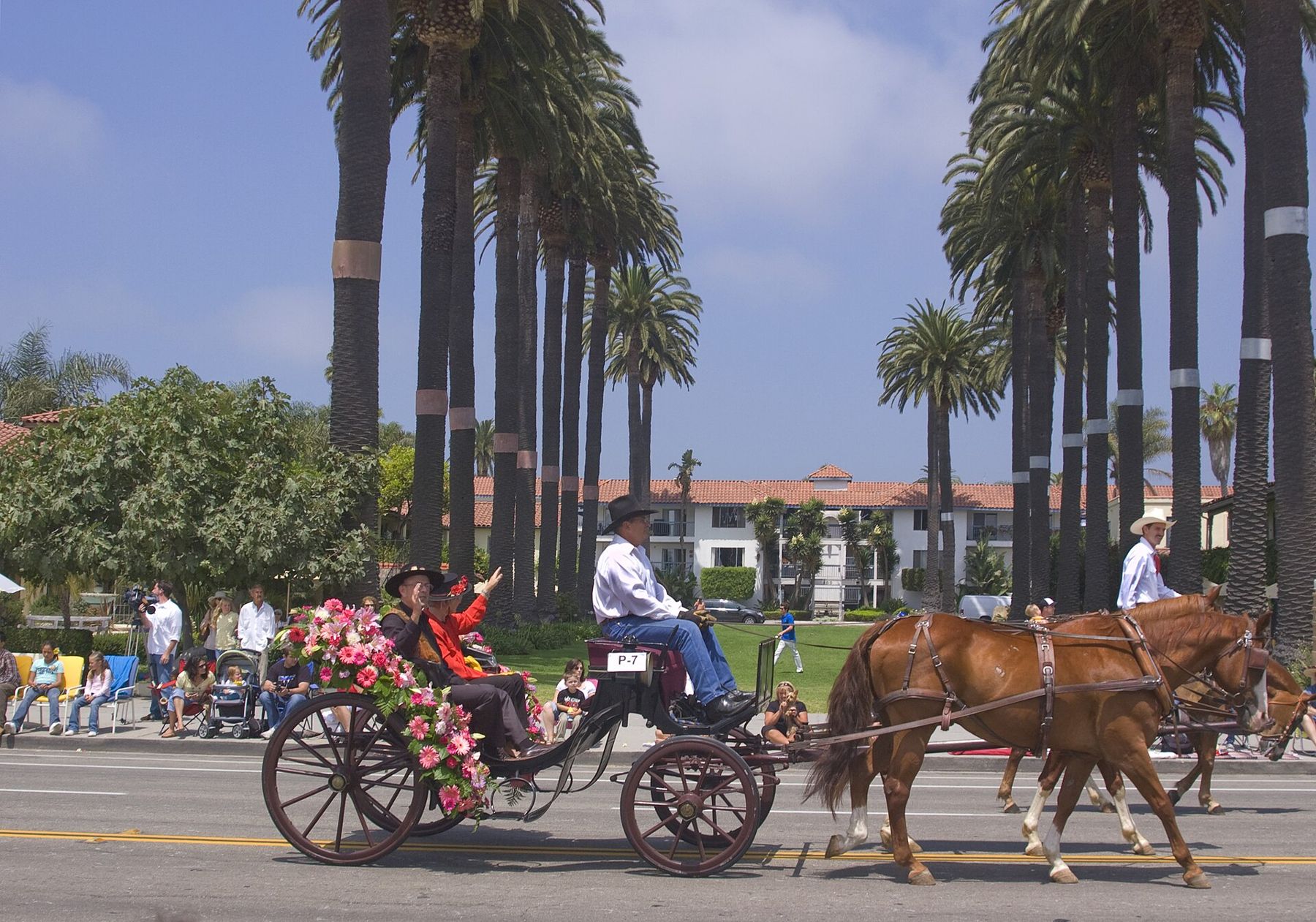
The centerpiece of the week is El Desfile Histórico, the historical parade, and it is above all a parade of horses. Riders in short Spanish jackets and flat-brimmed hats sit on silver-mounted saddles. Carriages and buggies of every age roll past, many decorated with flowers. Mounted groups, marching bands, dancers and local organizations fill the gaps, and the clatter of hooves on the pavement carries for blocks.
The route runs along the waterfront and into town, and the curbs fill hours before it starts. Locals stake out spots with chairs and blankets; visitors who arrive at the last minute watch from three rows back. On the Saturday morning, El Desfile de los Niños, the children's parade, takes over downtown, with small dancers, decorated wagons, pets and strollers, and a great deal of confetti.
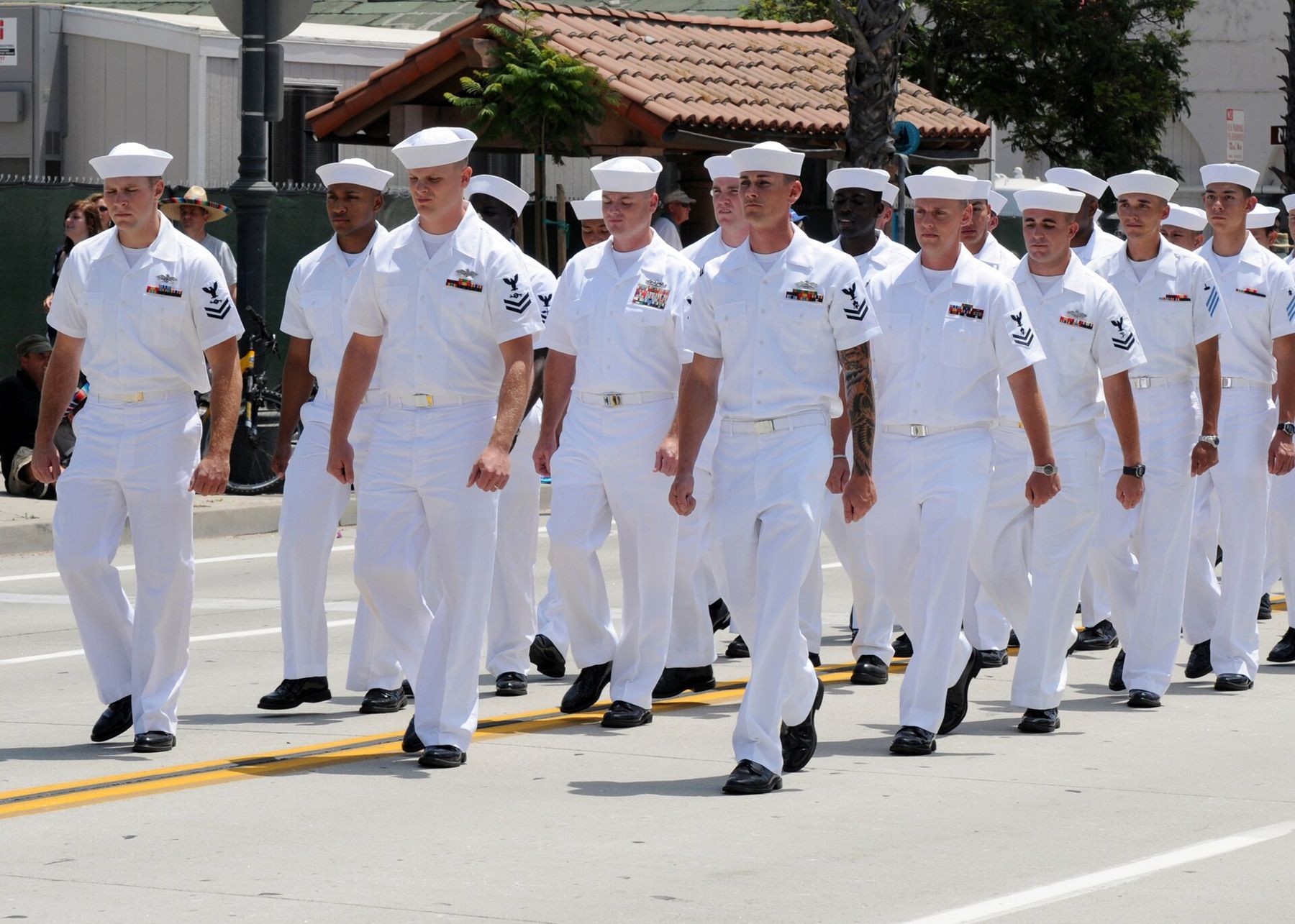
Parade days and routes are set each year by the festival, and the street closures that go with them are posted in advance. Check them before you drive anywhere near the waterfront.
 Also on Presidio PostUp the Courthouse clock tower
Mercados and cascarones
All week, the festival markets feed the crowd. El Mercado de la Guerra fills De la Guerra Plaza, across from City Hall and in front of the old Casa de la Guerra adobe. A second, larger market, El Mercado del Norte, sets up uptown at MacKenzie Park. Both are a long row of booths selling tacos, tamales, roasted corn, churros and aguas frescas, with a stage for music and dancing and long tables in the shade.
The cascarones are sold everywhere, by the dozen, often by local groups raising money. The tradition comes from Mexico: emptied eggshells, dyed or painted, packed with confetti and sealed with a scrap of tissue paper, then cracked over the head of a friend for luck. Cracking one on a stranger is a lighter thing during Fiesta than at any other time of year. Cracking one hard is not.
The confetti outlasts the festival. It turns up in car seats, in coat pockets and between the paving stones of the plaza for weeks after.
The confetti outlasts the festival.
Flamenco, folklórico and the Spirit of Fiesta
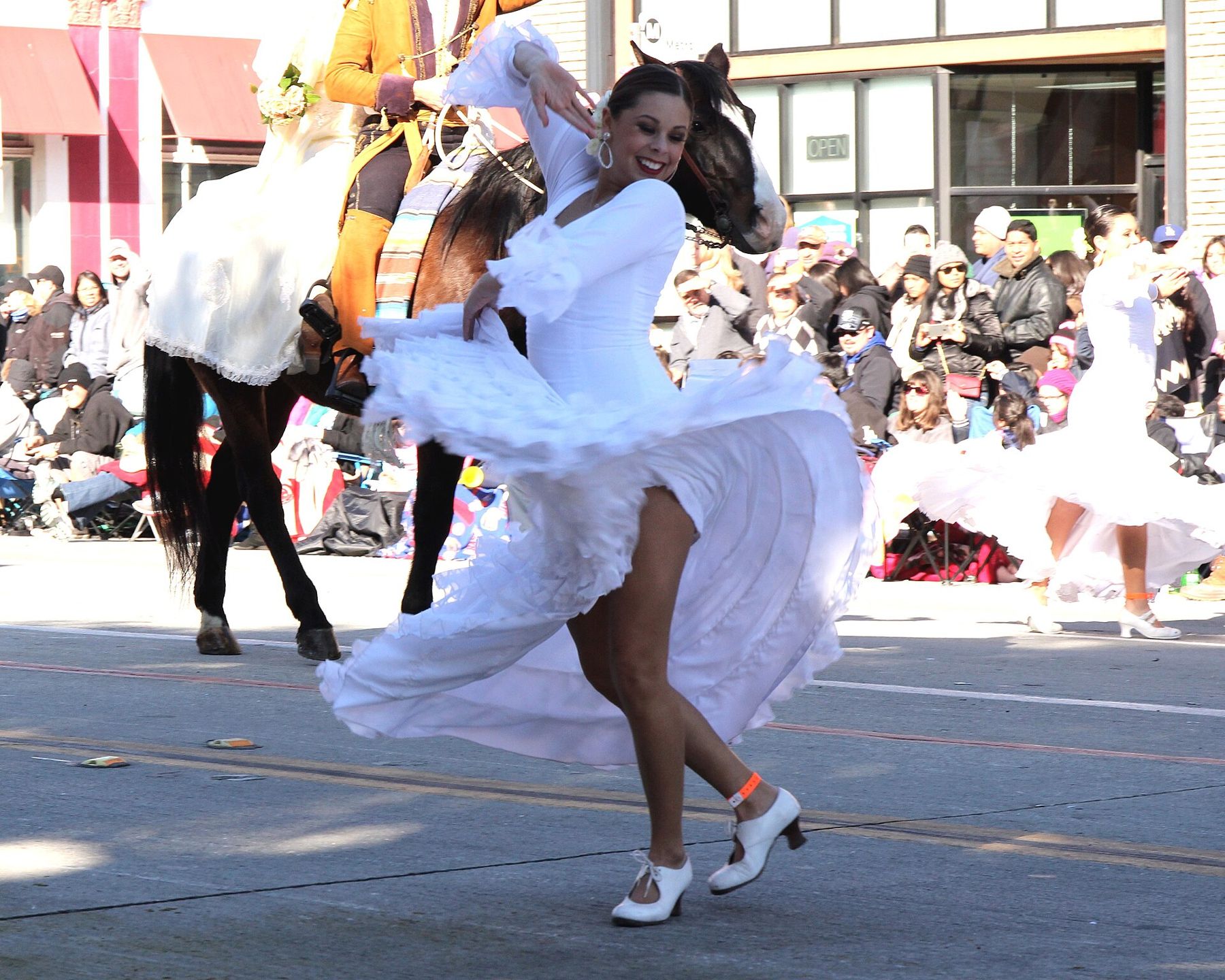
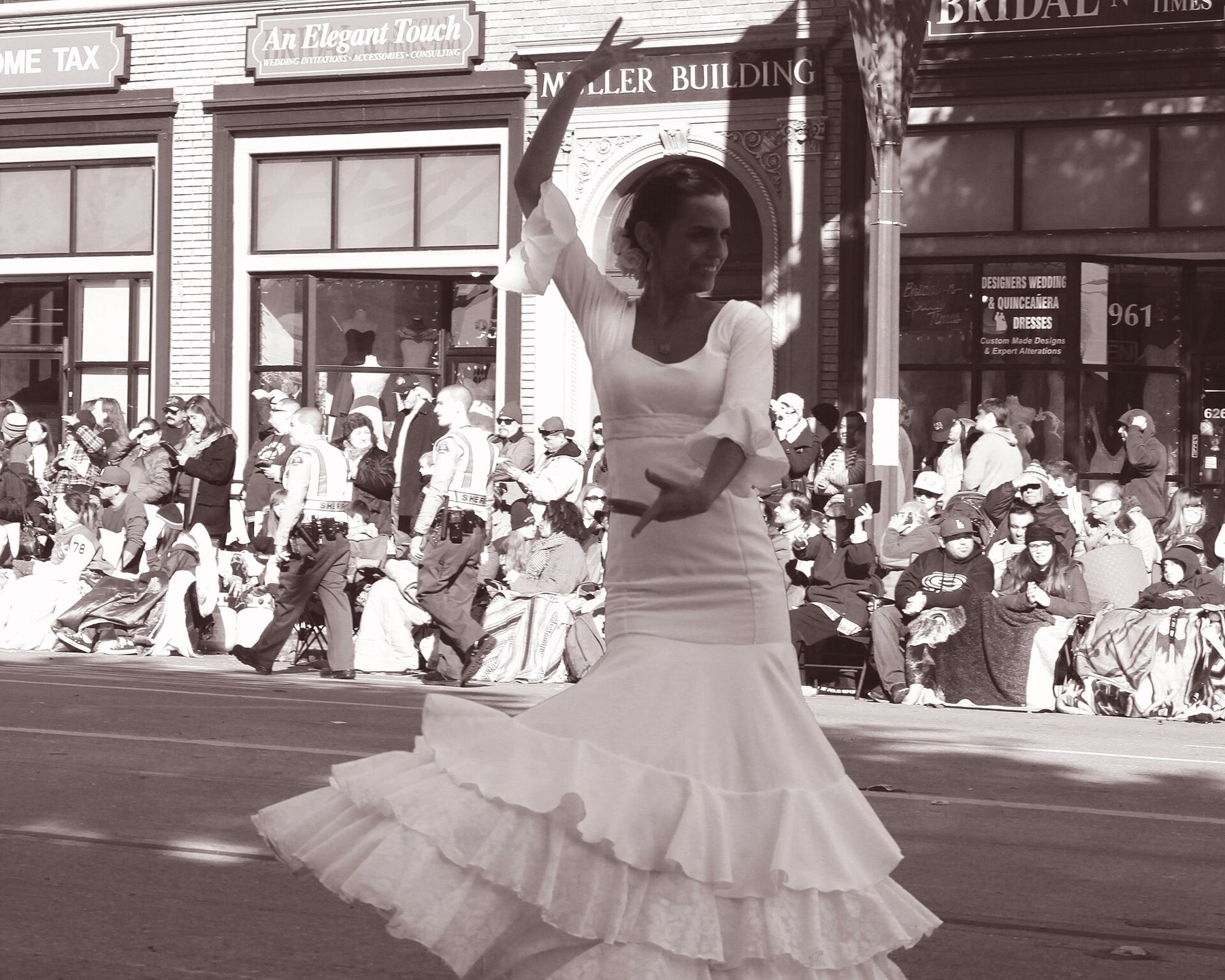
Dance runs through everything. Flamenco and Spanish classical dance share the stages with Mexican folklórico, its wide skirts swirling in the colours of the different regions of Mexico. Dance schools across the county rehearse for months, and many local children grow up performing at Fiesta year after year.
Each year, after auditions, one dancer is chosen as the Spirit of Fiesta and another, younger, as the Junior Spirit. They dance at the main events through the week and become, for that summer, the festival's face.
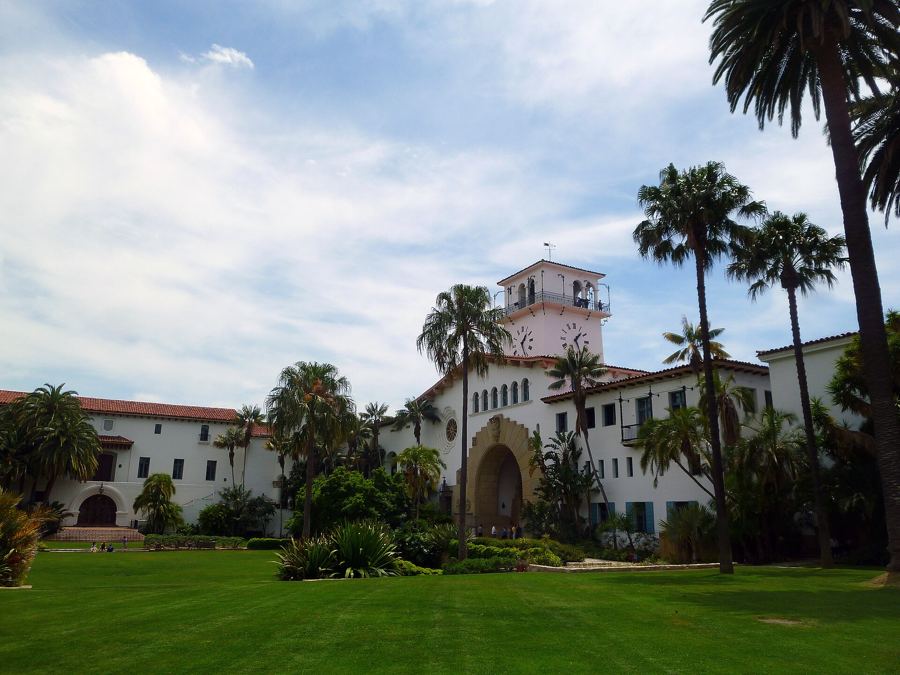
The loveliest evenings take place in the Sunken Garden of the County Courthouse, where the Noches de Ronda programme puts dancers and musicians on a stage below the white walls and arches of the building. The audience sits on the lawn in the dusk, and the Courthouse becomes the courtyard of a great house.
How the week changes the city
For a few days the town is not quite itself. Hotels fill, and rates climb with them; book well ahead if you want to be here, and look elsewhere on the calendar if you want a quiet visit. Streets close for the parades. Restaurants downtown run at full stretch, and the Funk Zone and State Street stay loud late into the evening.
The horses bring their own rhythm. The Fiesta rodeo and stock horse show at the Earl Warren Showgrounds draw riders from across the West, and for the week, trailers and horse vans turn up in hotel car parks and on side streets. Downtown smells, faintly but distinctly, of hay.
The best way through the week is on foot. Parking near the waterfront and the plaza is scarce on parade days, and walking between the mercados, the Courthouse and the Mission is easier than circling for a space. The story on getting around without a car covers the alternatives.
If you are coming for the parade, pick your spot by the light as well as the crowd. The shady side of the street is worth a longer walk, and a place near the start of the route gets you the riders while their horses are fresh and the costumes still spotless. Children sit on the curb at the front; it is good manners to let them. Bring water, and expect the whole thing to take longer than the program suggests: horses keep their own time.
Fiesta is also a homecoming. Families who have left the city come back for the week, old dance students return to perform, and the same groups ride in the parade year after year, some of them across several generations. For visitors it is a spectacle; for much of the town it is a reunion.
Dress for heat and dust. August in Santa Barbara is usually warm rather than hot, but the plazas get little shade at midday, and a hat earns its place. Most visitors end up buying something to wear: a flower for the hair, a fringed shawl, a wide-brimmed hat.
On the last night, the music thins out, the booths come down and the plaza is swept. A few days later, a gust of wind lifts a drift of paper from a gutter on De la Guerra Street and scatters it, red and green and gold, across the sidewalk. Fiesta is never entirely over.