Santa Barbara is small, and its old center is smaller still. Within a dozen blocks of State Street there are museums of art, history, manuscripts, science and architecture, plus a working courthouse that is a museum in all but name. Most can be seen in an hour. A few deserve a morning.
The museums also make a good argument for walking. Almost all of them sit on or near the Red Tile route, so the walk between them is part of the visit: courtyards, arcades, fountains and old adobe walls the whole way. Here is what each is best for. Fees, free days and opening hours change at every one of them, so check before you go.
Santa Barbara Museum of Art
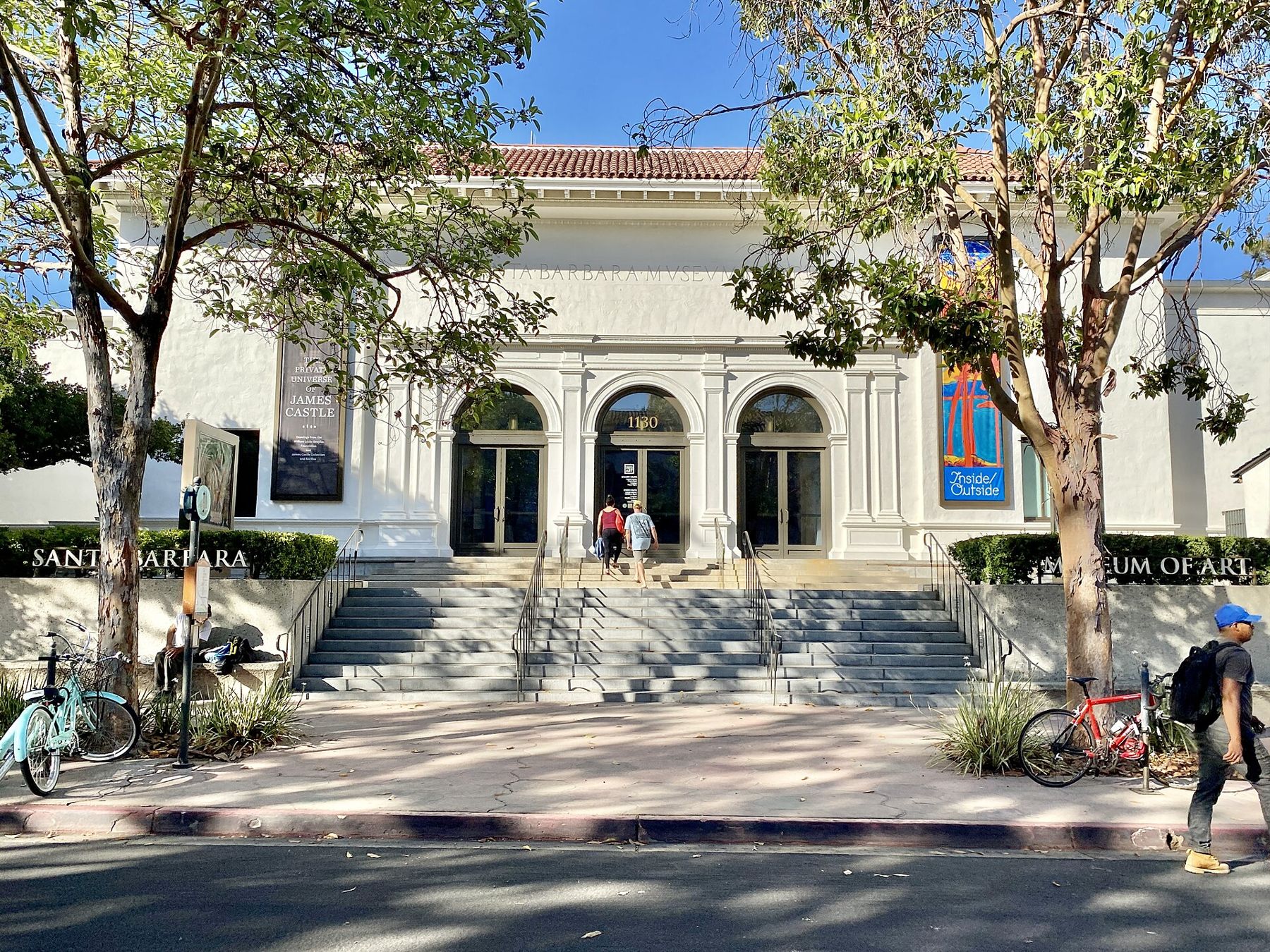
The largest museum downtown sits on State Street at Anapamu, in a building that served as the city's main post office before the museum moved in and opened in 1941. Its collections are broader than you might expect for a city this size: classical sculpture, Asian art, European and American painting, and a strong collection of photography. Special exhibitions change through the year.
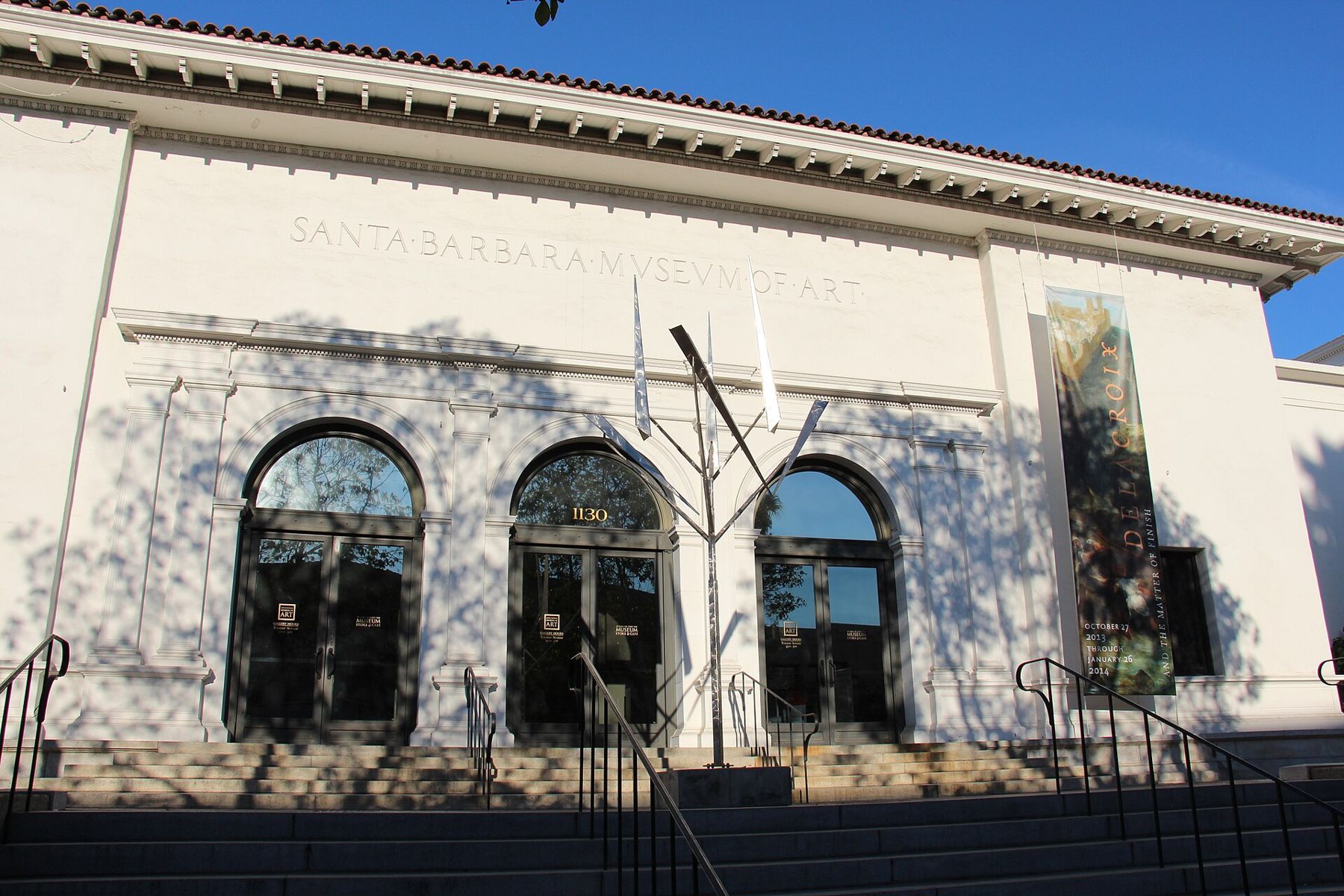
The building suits the collection. Galleries open off one another at a comfortable size, and nothing feels like a march. A small shop and a cafe make it easy to stay.
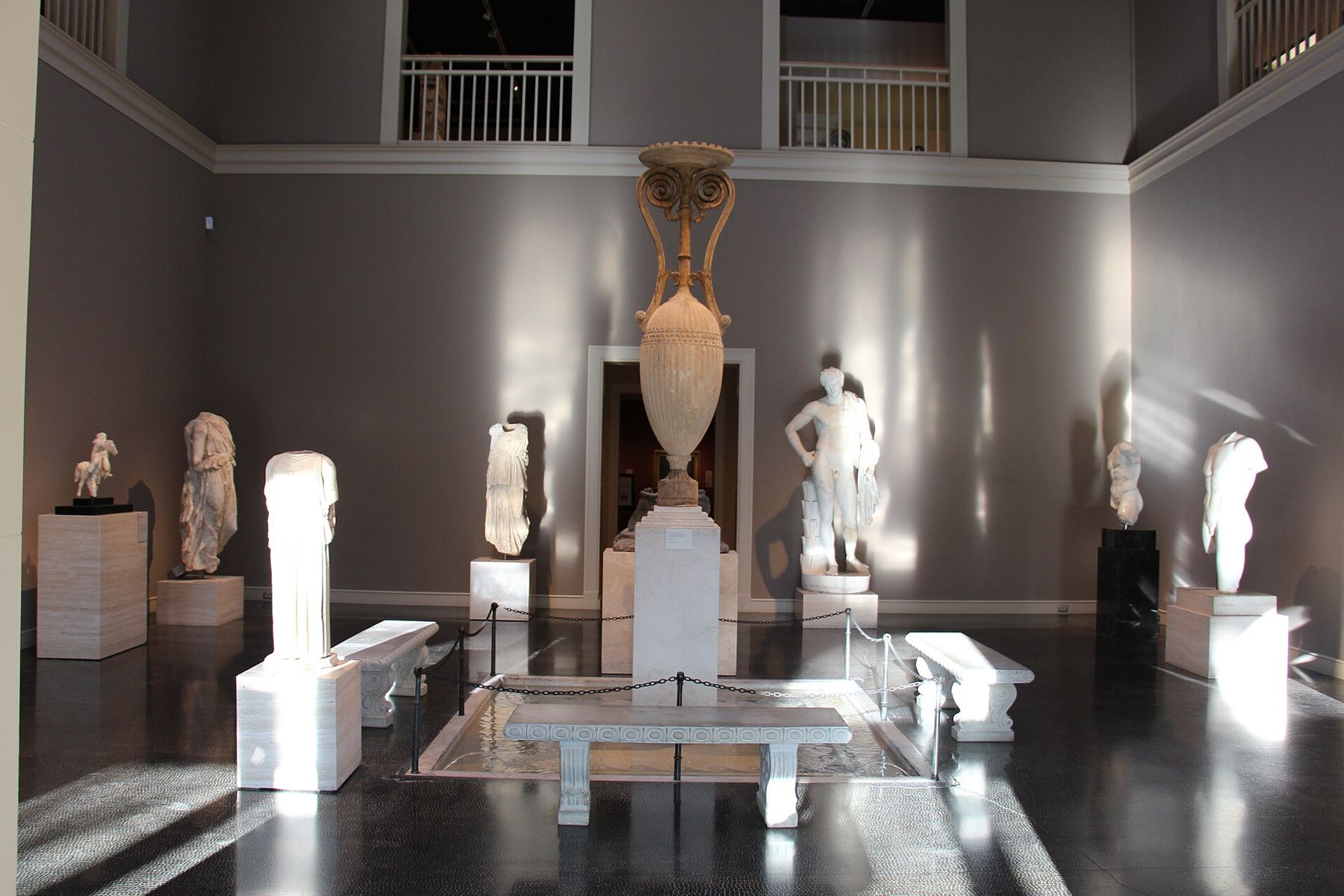
Best for: a long, quiet morning with art. Give it two hours. The front steps facing State Street are also one of the best places in town to sit and watch the street, before or after.
Santa Barbara Historical Museum
At De la Guerra and Santa Barbara streets, the Historical Museum gathers the county's story, from the Chumash through the Spanish, Mexican and American periods. Galleries hold furniture, costumes, paintings and everyday objects from the town's old families, and exhibits rotate.
The grounds include historic adobes, among them the Covarrubias Adobe, and a shaded courtyard with a fountain. The museum's research library holds a deep archive of photographs and papers.
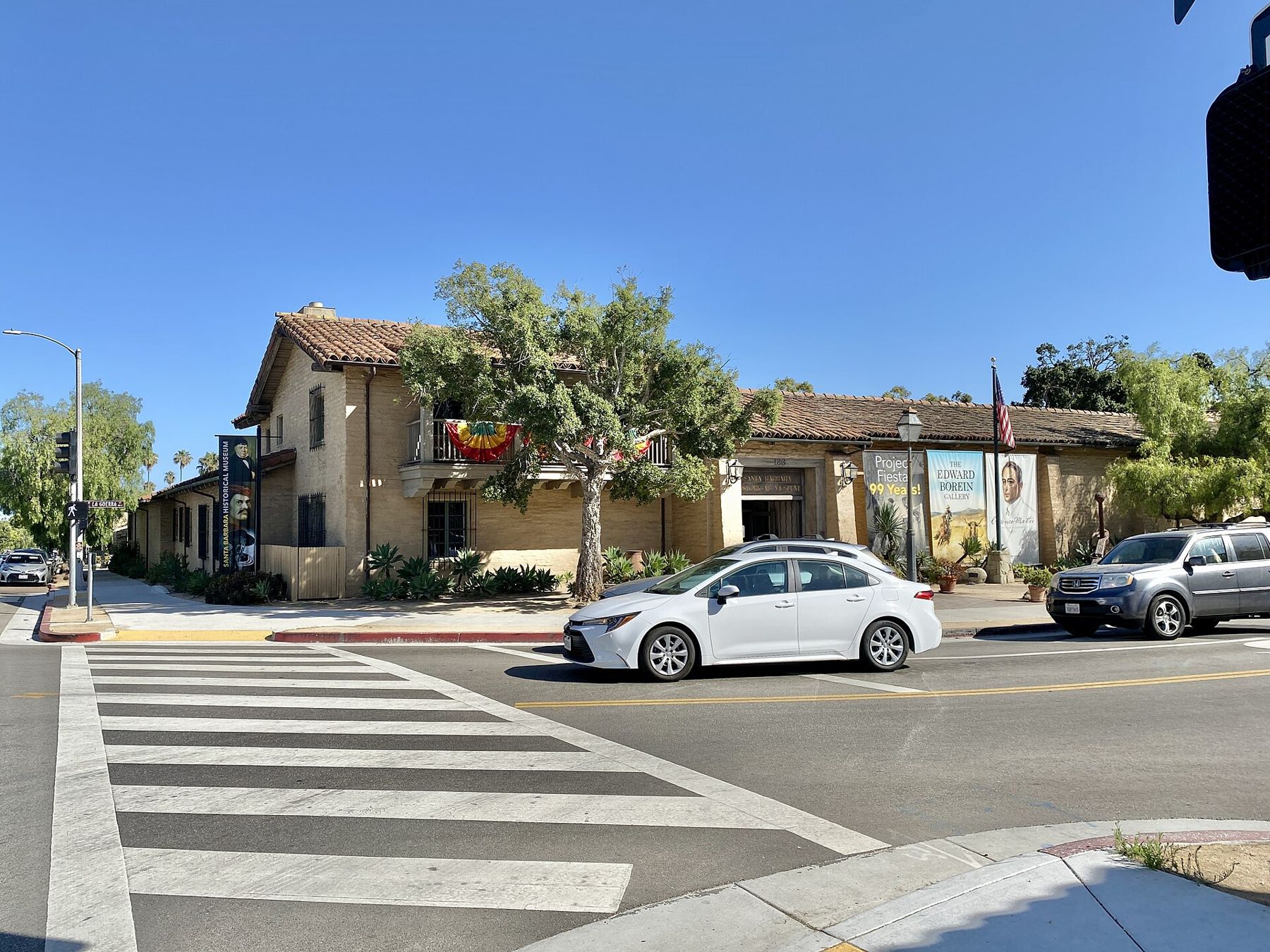
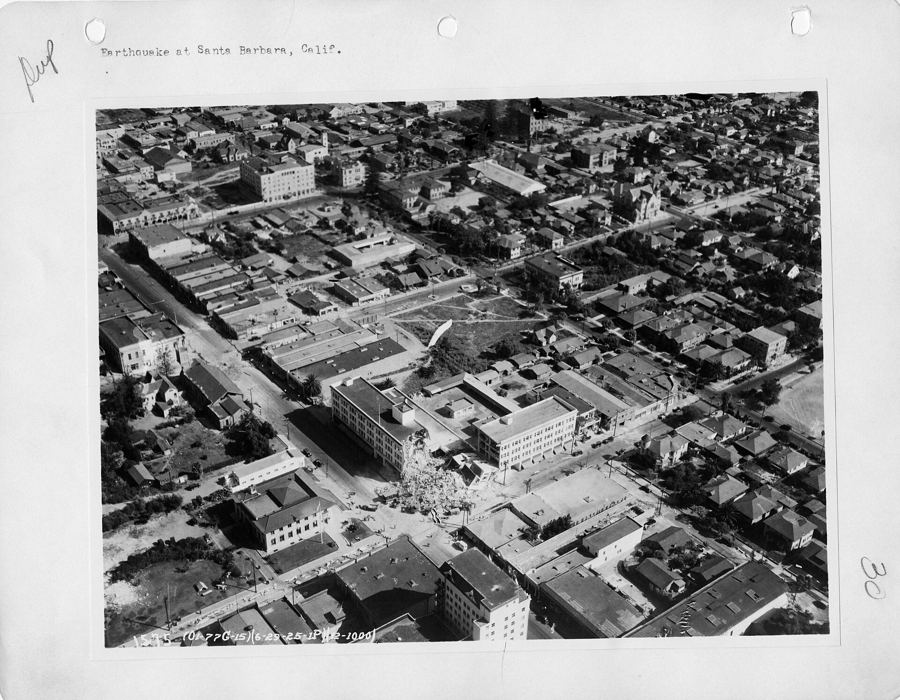
If you see only one history museum in town, make it this one. It sets up everything else on this list, from the presidio soldiers to the families who built the adobes and the reformers who rebuilt the town after 1925.
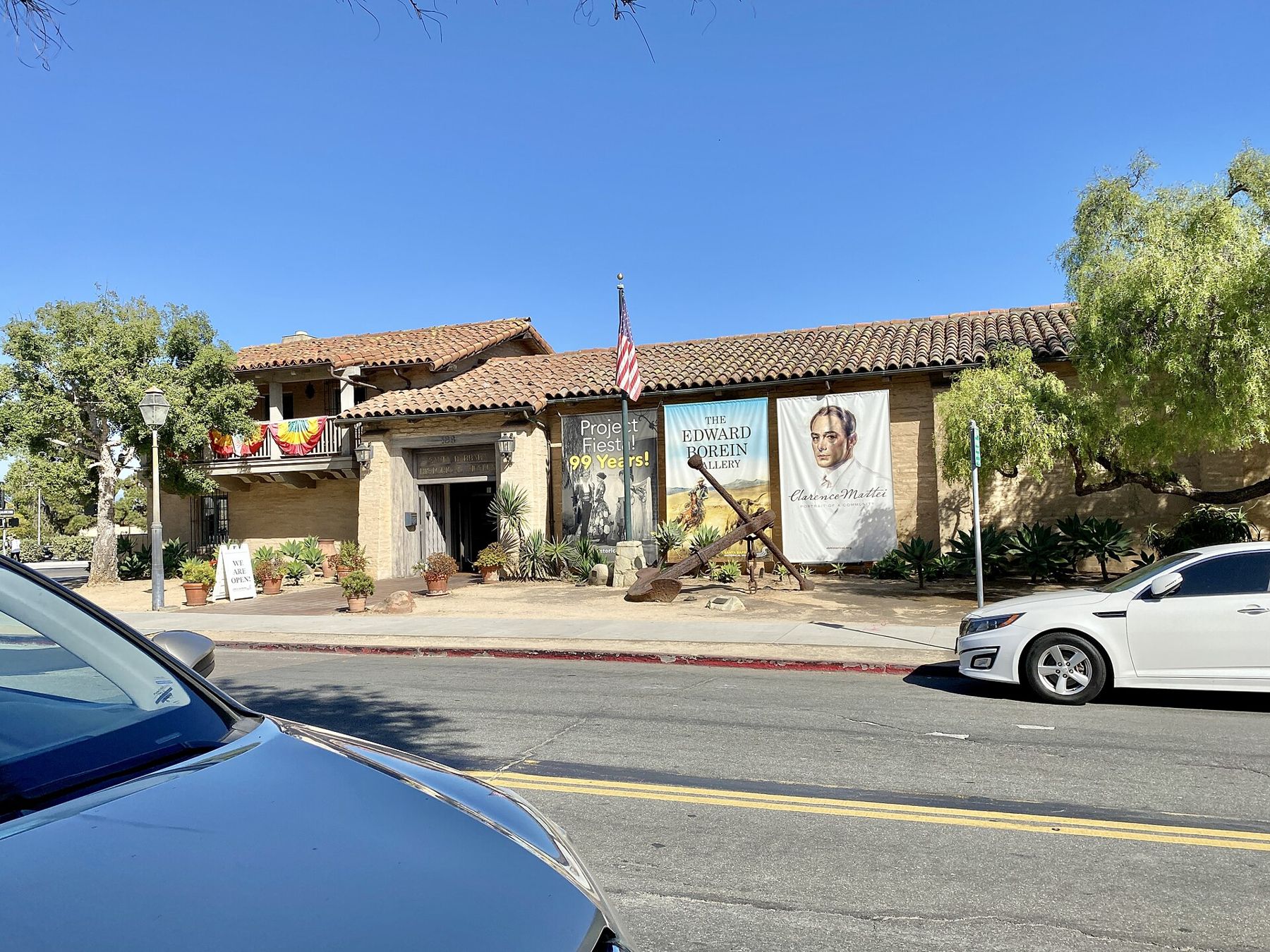
Best for: the big picture of local history. Give it an hour, plus time in the courtyard.
El Presidio de Santa Bárbara
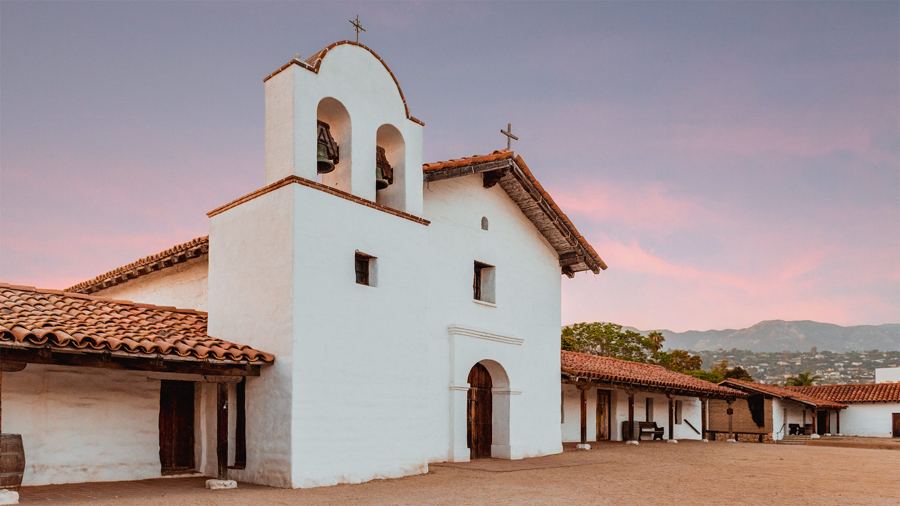
Two blocks away, on Canon Perdido Street, is the fort Spain founded in 1782. The reconstructed chapel, the rebuilt rooms along the old quadrangle, and El Cuartel, the oldest building in Santa Barbara, together make a small open-air museum of the colonial town. Exhibits inside the rooms cover the soldiers and their families, the archaeology of the site, and the later life of the neighborhood.
Best for: seeing where the city began. Give it an hour. The full story is in El Presidio, then and now.
Casa de la Guerra
On De la Guerra Plaza stands the adobe home of José de la Guerra y Noriega, commander of the presidio, built in the 1810s and 1820s. It is now a house museum, with rooms furnished to the family's era around the old courtyard. It is small, and its hours are limited.
Look at the long corredor along the front, the deep porch that served as hallway, shade and outdoor room, and at the thickness of the walls. The plaza in front was the town's social center for generations.
Best for: imagining daily life in Mexican-era Santa Barbara. Half an hour is usually enough. Afterwards, walk through the arcaded lanes of El Paseo next door.
Karpeles Manuscript Library Museum
On West Anapamu Street, a block from State, is one of the odder museums in town. The Karpeles is part of a small group of manuscript museums founded by the collector David Karpeles, and it shows original letters, documents and manuscripts in exhibitions that change regularly. Entry has long been free, though it is worth checking hours, which are limited.
Best for: a short, surprising stop between other things. Give it thirty to forty-five minutes, depending on the exhibition.
Santa Barbara County Courthouse
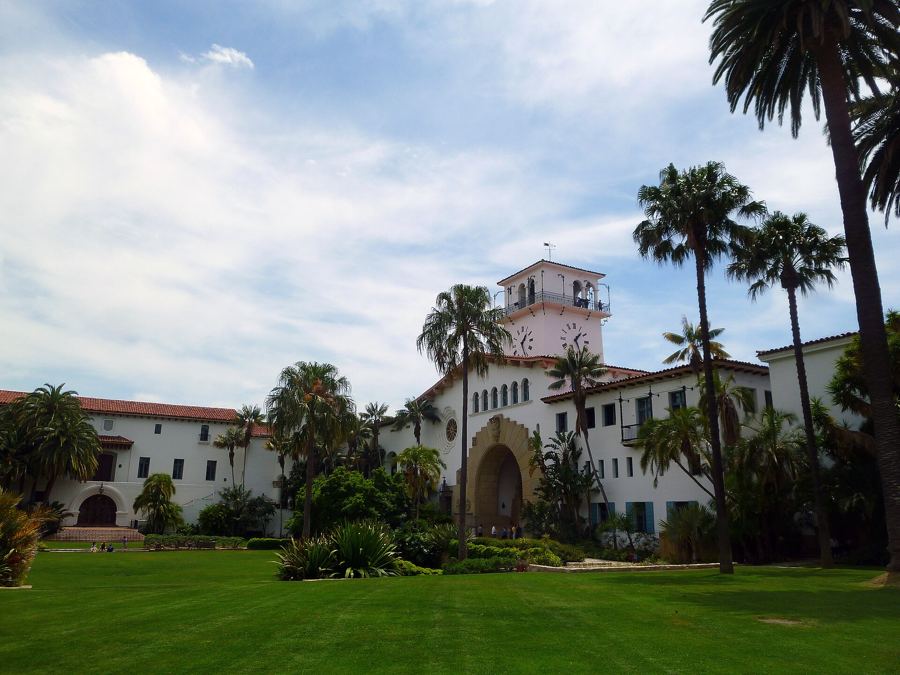
The 1929 courthouse by William Mooser III is a working court and county building, but for visitors it works like a museum of the Spanish Colonial Revival style. Inside are tiled stairways, painted ceilings and the Mural Room, with its scenes of local history. At the top is El Mirador, the clock tower, with the best free view in town. Free docent tours are offered on a schedule that changes.
Best for: architecture and the view. Give it an hour. Our story on the Courthouse clock tower has the details. 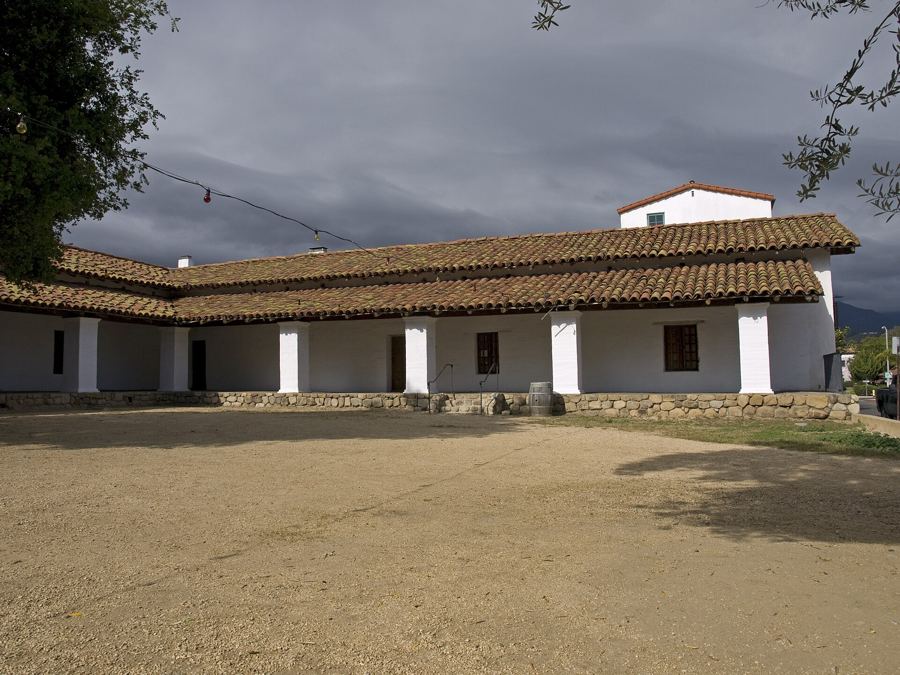 Also on Presidio PostThe Red Tile walk, stop by stop
MOXI, the Wolf Museum of Exploration and Innovation
Down at the lower end of State Street, near the Funk Zone, MOXI opened in 2017 as a hands-on science museum aimed at families. Its floors are full of things to touch, build and test, from sound and light to motion, and there is a roof terrace with views over the waterfront and the mountains.
Best for: children, and adults who like to press buttons. Give it two hours. Pair it with a walk out onto Stearns Wharf, a few minutes away.
The Mission and the Museum of Natural History
These two are outside the old center but close enough to combine. Mission Santa Barbara, founded in 1786, has a self-guided museum route through mission rooms, the church, the courtyard garden and the cemetery. A few minutes' walk farther up, the Santa Barbara Museum of Natural History sits among oaks in Mission Canyon, with exhibits on Chumash culture, birds, mammals and the skeleton of a blue whale outside.
Best for: a half day with a short drive or bus ride. Give the Mission an hour and the natural history museum two. More on the first is in Queen of the Missions.
How to fit them together
Most of these museums are small enough that two or three fit comfortably into a day without fatigue. The distances are short, so there is no need to drive between them. A good single day starts at the Courthouse when the tower opens, then the Presidio and the Historical Museum, lunch near El Paseo, and the Museum of Art in the afternoon. The Karpeles fits in between. Save MOXI and the Mission for another day, and keep the rose garden for the end of the afternoon.