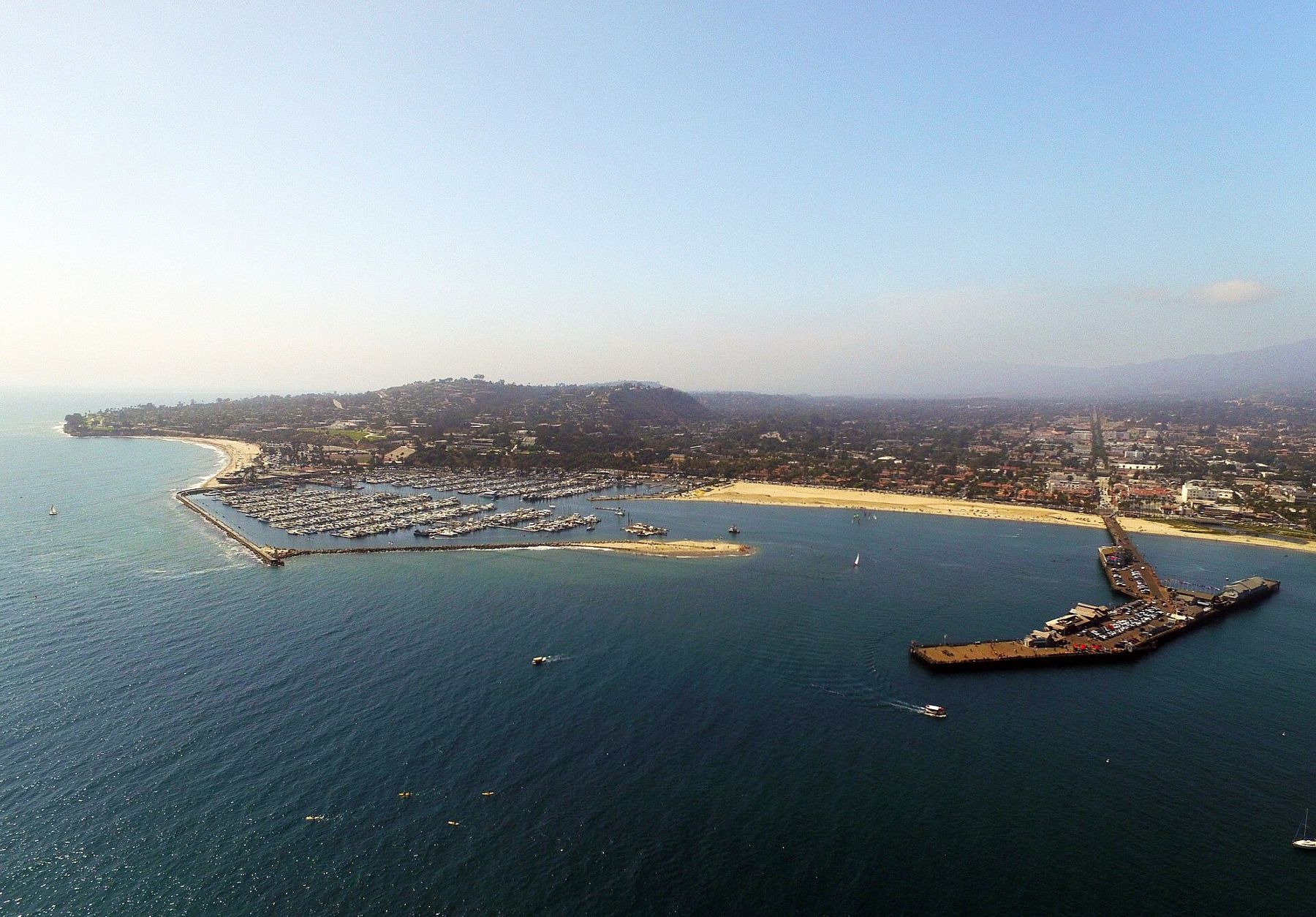
At seven in the morning the harbor smells of diesel, kelp and coffee. A boat comes in through the mouth past the end of the breakwater, its deck stacked with traps, and a sea lion surfaces beside it with the air of an inspector. On the docks, fishermen hose down their decks and swing crates onto carts. Out on the breakwater, the first runners of the day reach the end of the wall and turn back.
Santa Barbara Harbor is not large and not grand. It is a small, crowded working port behind a wall of rock at the western end of the waterfront, between Stearns Wharf and the bluffs of the Mesa. Commercial fishing boats share it with sailboats, liveaboards, charter boats and kayaks. It is the best place in town to spend a morning doing very little.
A harbor that had to be built
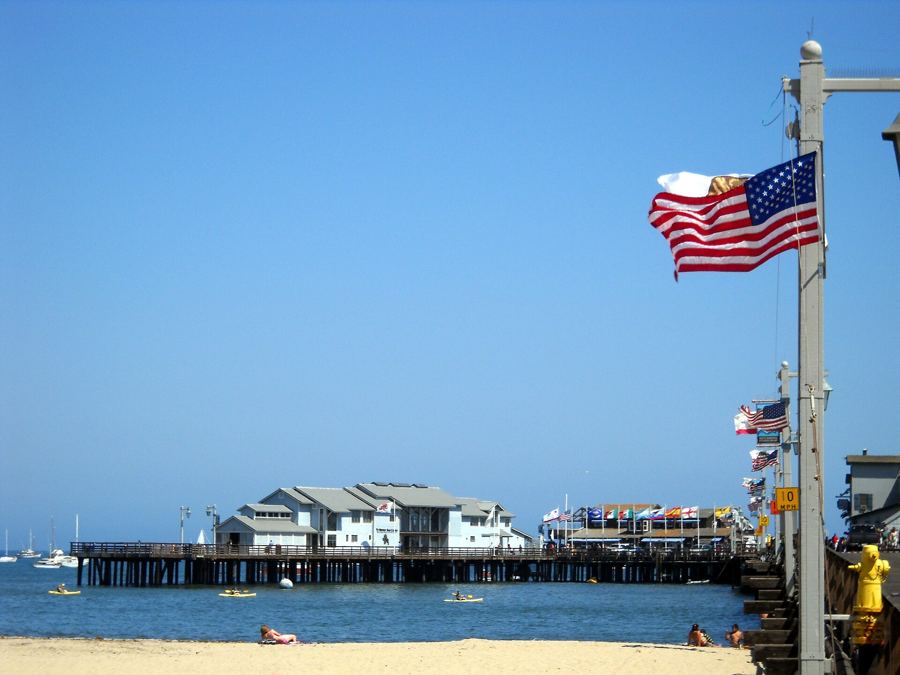
Santa Barbara never had a natural harbor. For generations ships anchored offshore, and when Stearns Wharf went up in 1872 it gave them a place to tie up but no shelter from the weather. Boats left on moorings were at the mercy of every winter storm.
The breakwater came at the end of the 1920s, and much of the money for it came from Max Fleischmann, heir to a yeast fortune and a keen yachtsman who wanted a safe anchorage for his own boat. A long arm of quarried rock was laid out from Point Castillo, and behind it, at last, the town had a harbor.
It also had a problem. Sand moves east along this coast, pushed by the waves, and the breakwater caught it. Sand piled up against the west side of the wall, building out what is now Leadbetter Beach, then crept around the end and began to fill the harbor mouth. The result is the sandspit, a curving tongue of beach that grows inside the tip of the breakwater. Keeping the channel open has been a job ever since. A dredge works the harbor entrance most years, pumping the sand back onto the beaches downcoast, where it would have gone anyway.
Out along the breakwater
The breakwater walk starts at the western end of the harbor, near the boatyards and the Maritime Museum, and runs out along the top of the wall. On one side lie the moored boats and the city behind them; on the other, open water and, on a clear day, the islands. Waves break on the seaward rocks, and in big winter swells they throw spray across the path. That is the moment to stay well back from the edge.
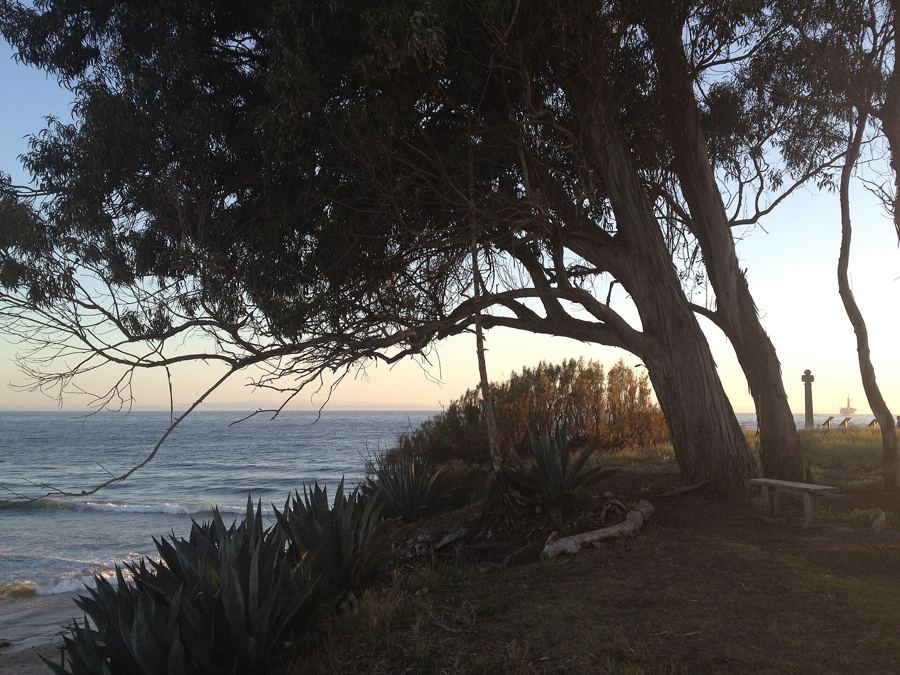
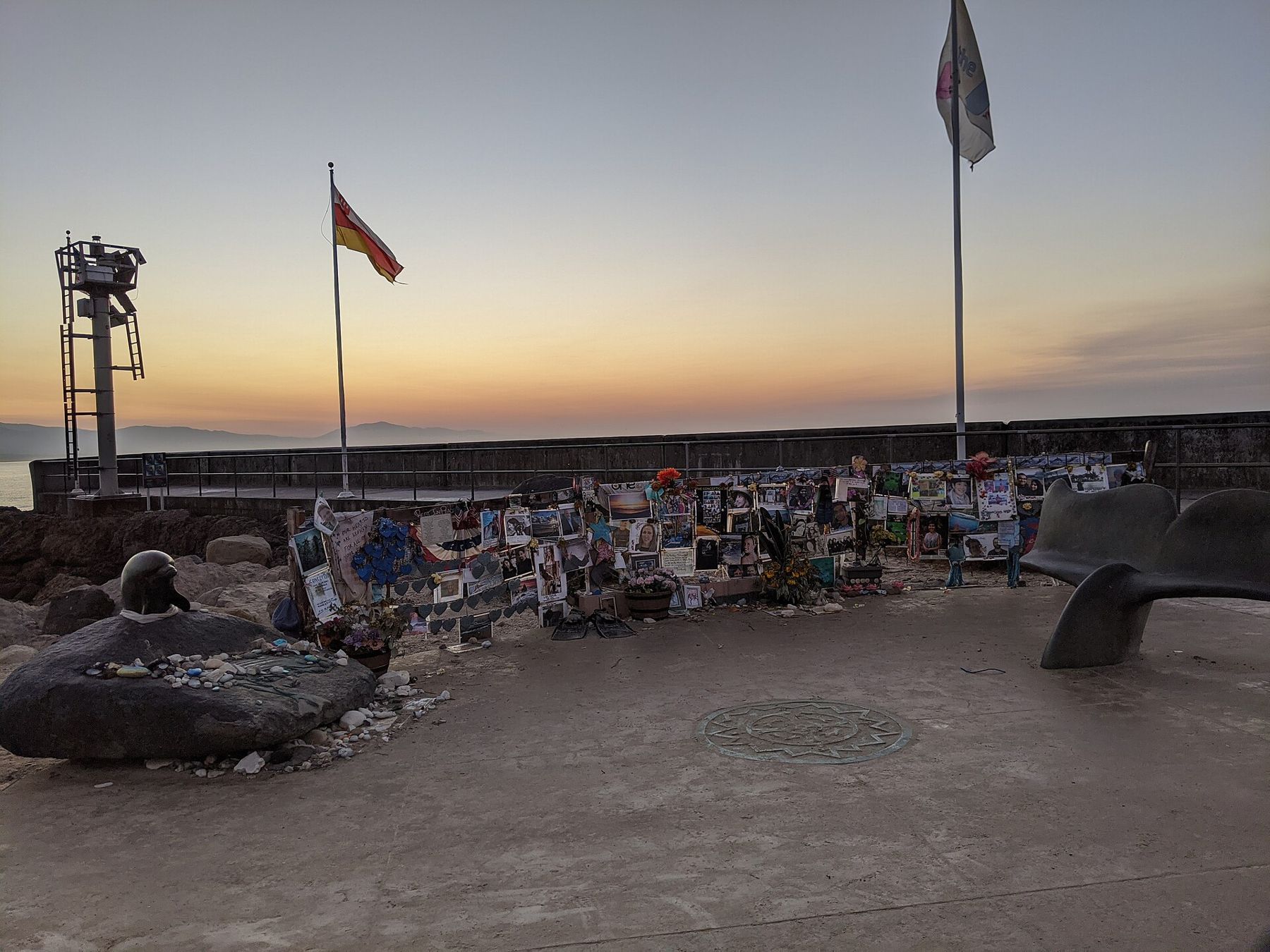
On the breakwater stands the Lost at Sea memorial, put up in 2005 for those from this coast who never came home from the water. Beside it is the memorial to the 34 people who died when the dive boat Conception caught fire at anchor off Santa Cruz Island on Labor Day weekend in 2019. The boat had sailed from this harbor.
Halfway out, stop and look back. From the wall the whole town is laid out in one view: the masts of the marina, the palms along Cabrillo Boulevard, Stearns Wharf reaching into the sea, and the Santa Ynez Mountains standing over it all. It is the view the harbor was built to protect, and on a still morning the water inside the wall holds a reflection of all of it.
Where the paved path ends, the sandspit begins. At low tide it is a wide strip of sand, and people walk out to look back at the harbor and watch boats squeeze through the channel. At high tide, and in winter swells, it narrows sharply and waves can wash across it. Stay off the wet rocks at the tip of the breakwater; they are slick with weed, and the water around them moves fast.
Sea lions and the rest of the crowd
California sea lions are the harbor's loudest residents. They haul out on buoys, floats and anything else that will hold them, barking, shoving and now and then sliding off with a splash. Harbor seals are quieter and shyer, round heads that slip under as soon as they are noticed. Brown pelicans patrol the channel, cormorants hold out their wings to dry on the pilings, and herons stand motionless on the docks like retired harbor masters.
Keep your distance from all of them. Sea lions on a dock look lazy and are not; they are large wild animals with sharp teeth, and federal law protects every marine mammal from harassment. Give them plenty of room, and never step between a sea lion and the water.
It is the best place in town to spend a morning doing very little.
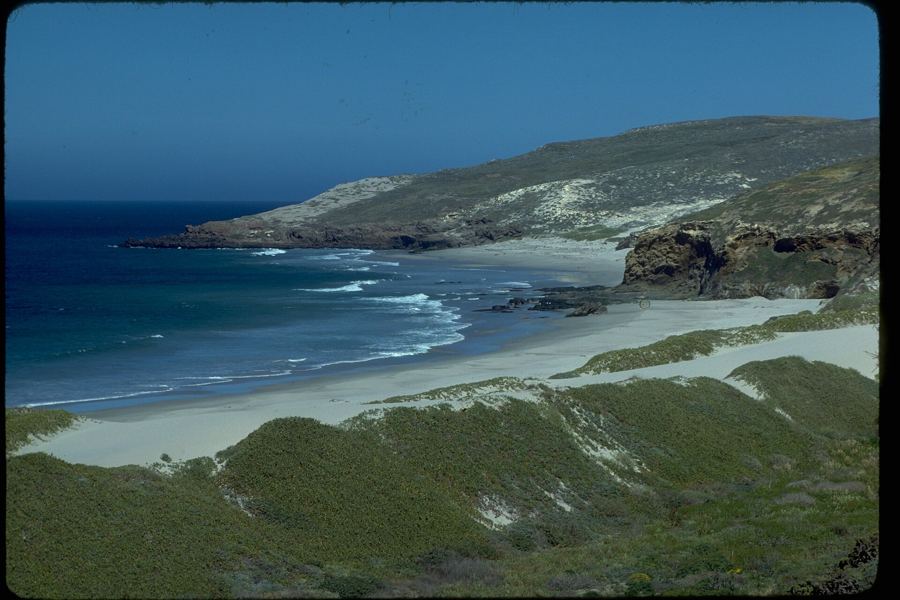 Also on Presidio PostThe islands across the channel
The working fleet
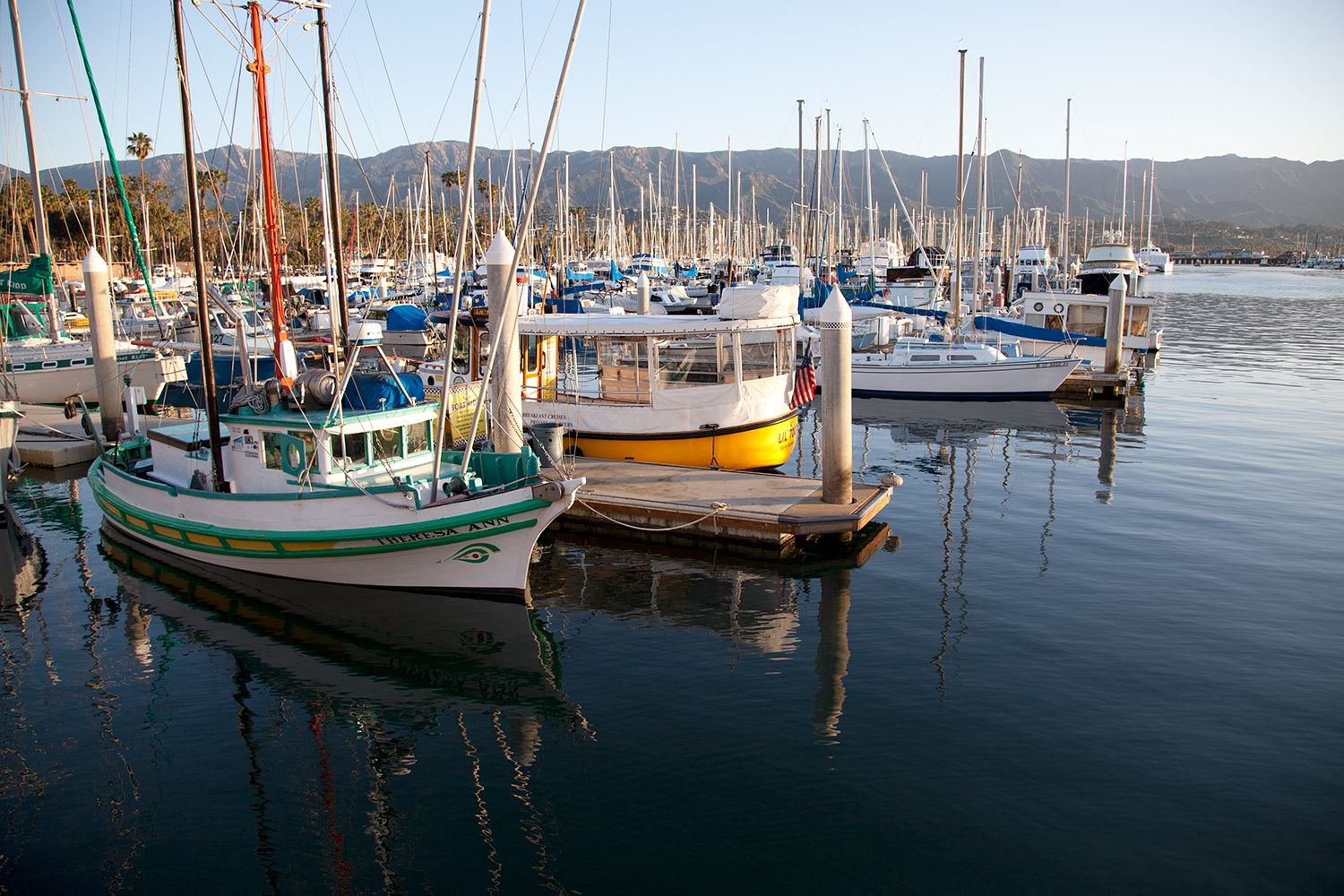
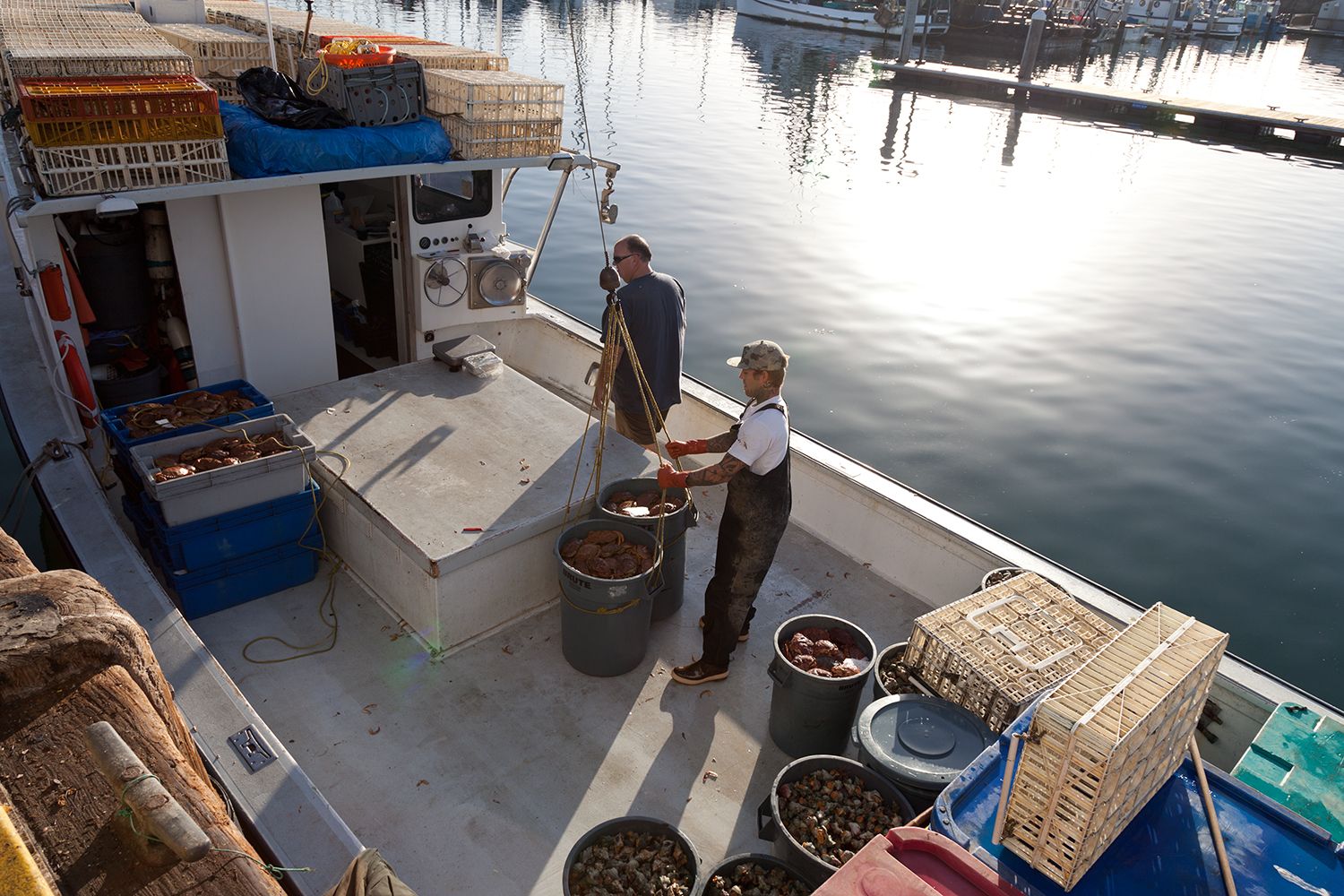
Look at the boats and you can read the season. Trap boats stacked with wire cages go out for rock crab and, from autumn into late winter, spiny lobster. Small, heavy-hulled boats with air compressors on deck belong to urchin divers, who work the kelp beds breathing through long hoses fed from the surface. Gillnetters, longliners and rod-and-reel boats chase halibut, rockfish and white seabass. On some nights in the channel you can see the bright lights of the squid boats far out on the water, drawing market squid up toward the surface.
It is hard, weather-bound work, and the fleet is smaller than it once was. Fishing seasons, quotas and closed areas are set by the state and change often, and several of the waters around the islands are protected from fishing altogether. What does not change is the rhythm of the docks: out before dawn, back by midday when the wind comes up, ice and crates and hoses, and the sea lions waiting to see what falls.
Saturday on the docks
On Saturday mornings the harbor's commercial fleet sells straight to the public at the fishermen's market by the water. What is on the tables depends on the season and the weather: rockfish and halibut, rock crab, live spot prawns, sea urchin and, in season, California spiny lobster. Santa Barbara's divers have long brought up red sea urchin, much of it for the uni trade. A good deal of the catch is still moving. The market opens early and the best of it goes early too; hours change with the season, so check before going.
This is not a farmers' market with a fish stand at the end. It is a working fleet meeting its customers, and the people selling are usually the people who caught it. Ask how to cook something and you will get an answer, usually a short one involving a hot pan, butter and not much else. The boats, the seasons and the people behind them have their own story: the Saturday fishermen's market.
The museum in the Navy building
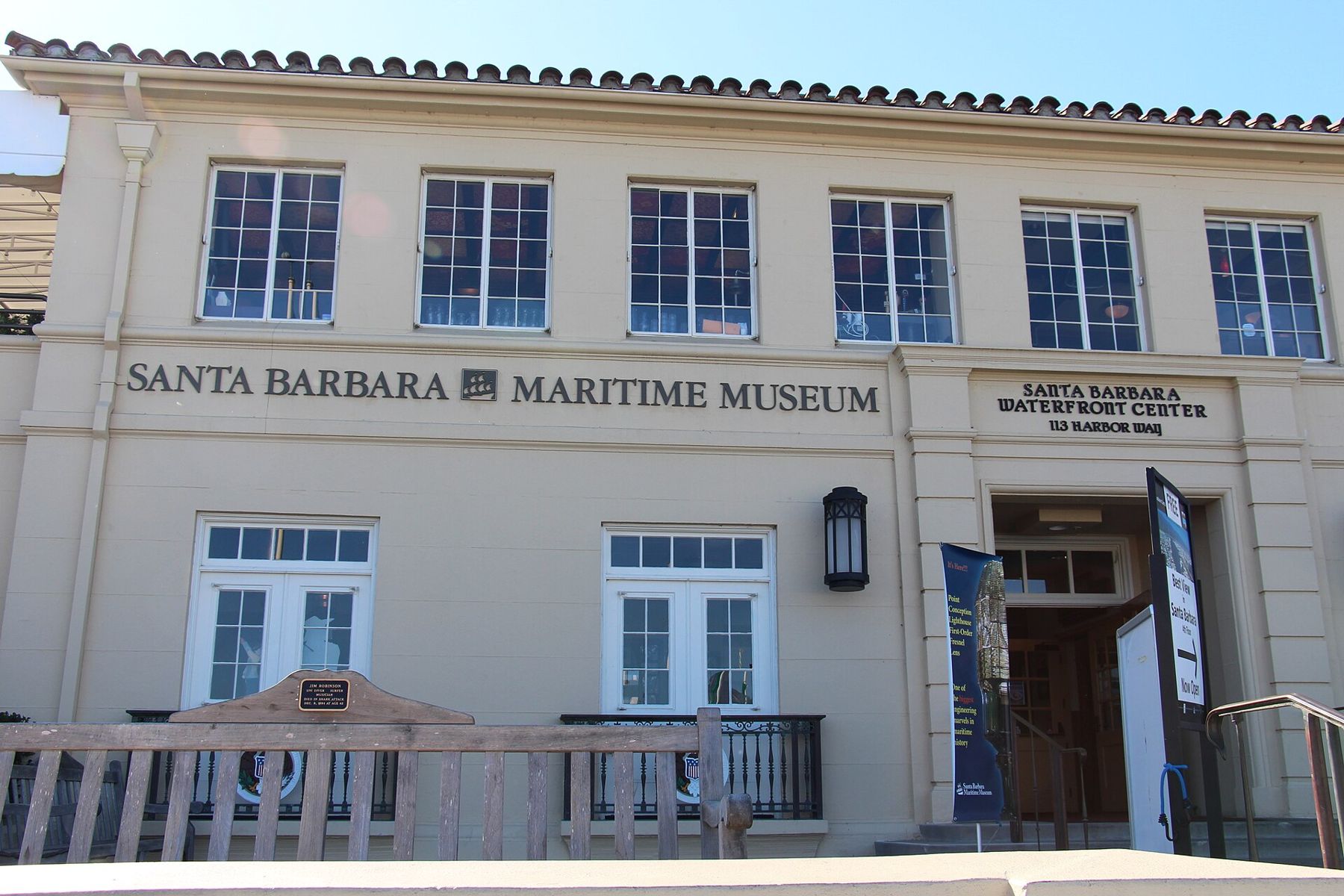
At the western end of the harbor, the Santa Barbara Maritime Museum fills a building put up for the Navy around the Second World War, when the harbor served the war effort. Inside, the exhibits follow the channel's long life on the water: the Chumash, who crossed to the islands in plank canoes called tomols; the hide ships and coastal steamers; commercial fishing and diving; wrecks along the coast toward Point Conception; and surfing on a coast that has ridden waves for a century.
It is a good hour, especially after watching the boats come in and wondering what they do all day. Hours and admission change, so check before going.
Coming back in
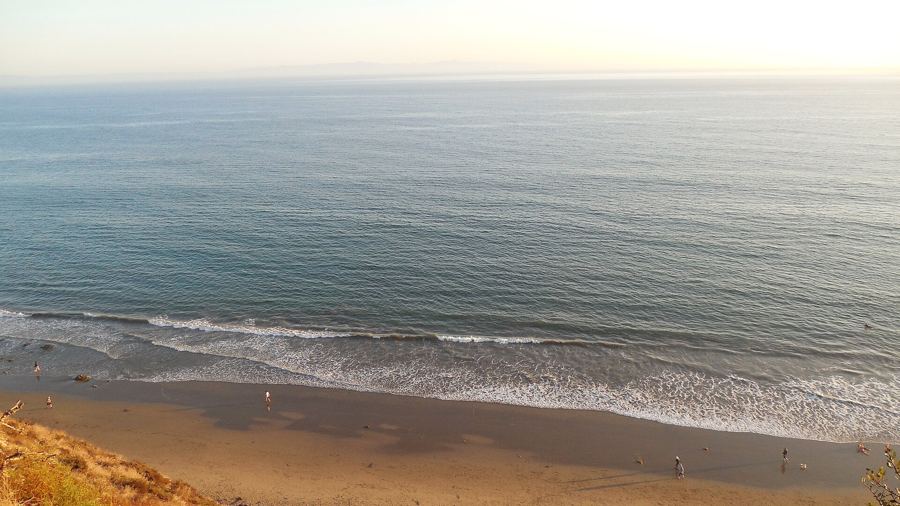
A harbor morning has no fixed route. Walk the breakwater out and back, which takes most people half an hour without stopping and much longer with the sea lions. Wander the waterfront walkways along the marina and read the names on the sterns. West of the harbor, the sheltered sand of Leadbetter Beach runs to the foot of the bluffs, and the lawns of Shoreline Park sit on top of them.
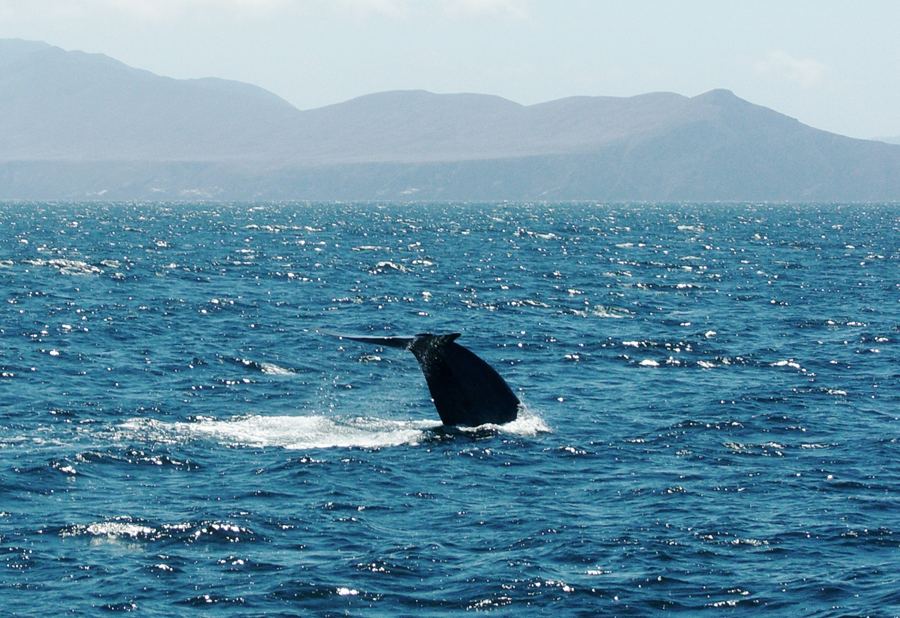
Parking near the harbor is paid, and rates and rules change; on a fine weekend the lots fill early. The beach path from Stearns Wharf gets you here in a few minutes by bicycle and in about ten on foot. Whale-watching and fishing boats leave from the landing inside the harbor, and the slips fill and empty with them through the day.
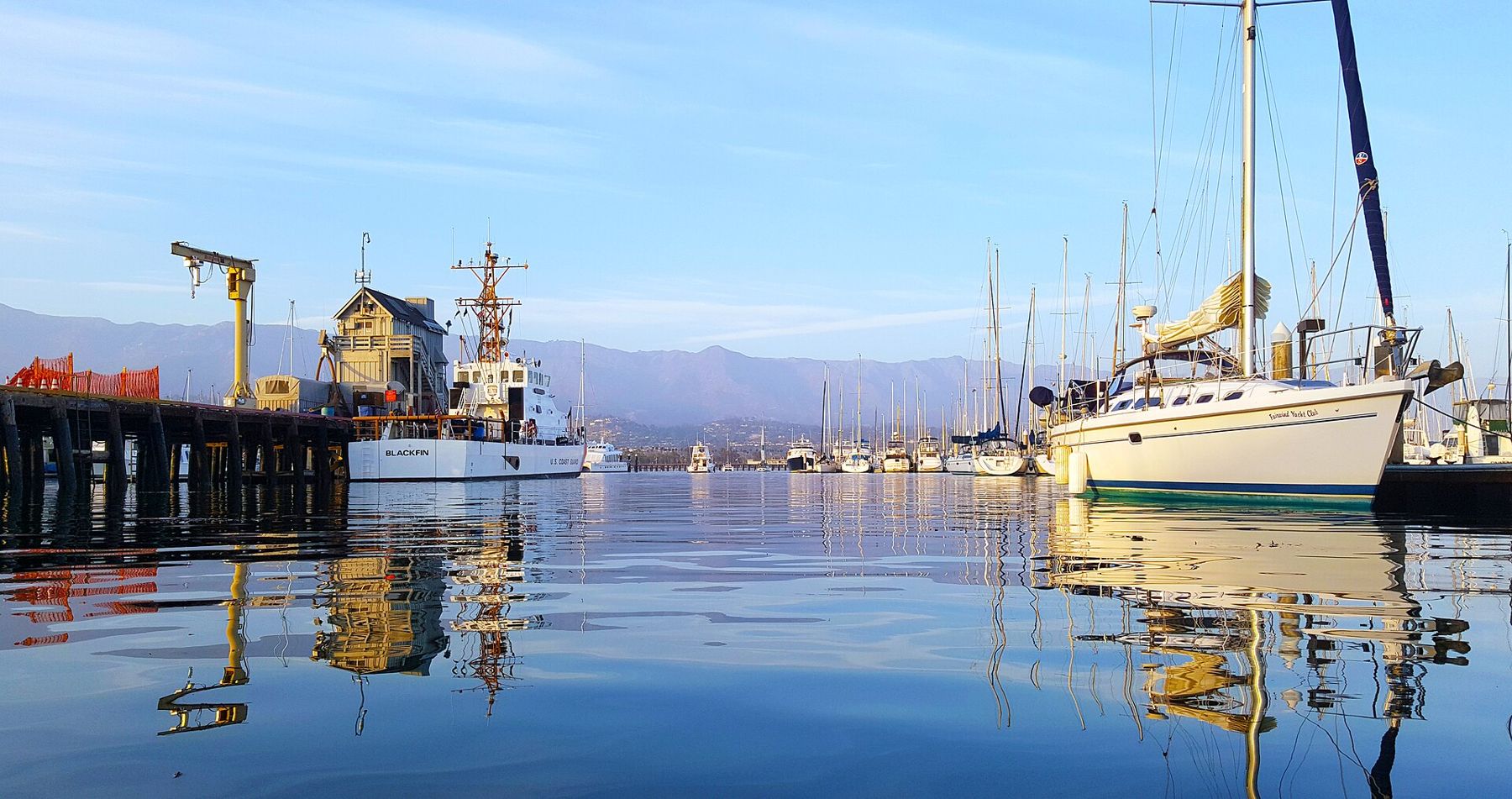
By late morning the fishing boats are tied up and their decks are drying in the sun. The runners have gone home. Out at the harbor mouth, a single sea lion lies across a buoy, rocking with the swell and barking at nothing in particular.