- Santa Barbara Railroad DepotMission Revival station; trains arrive steps from the tasting rooms
- Yanonali and Anacapa streetsThe Funk Zone crossroads, thick with tasting rooms
- Helena AvenueWarehouses turned cellars, murals on the walls
- Mason StreetQuieter rooms a block from the beach
- Lower State StreetThe walk uphill under the freeway to downtown
- El PaseoA 1920s arcade of courtyards and tasting bars
- The Presidio blocksTasting rooms around the 1782 fort's adobe walls
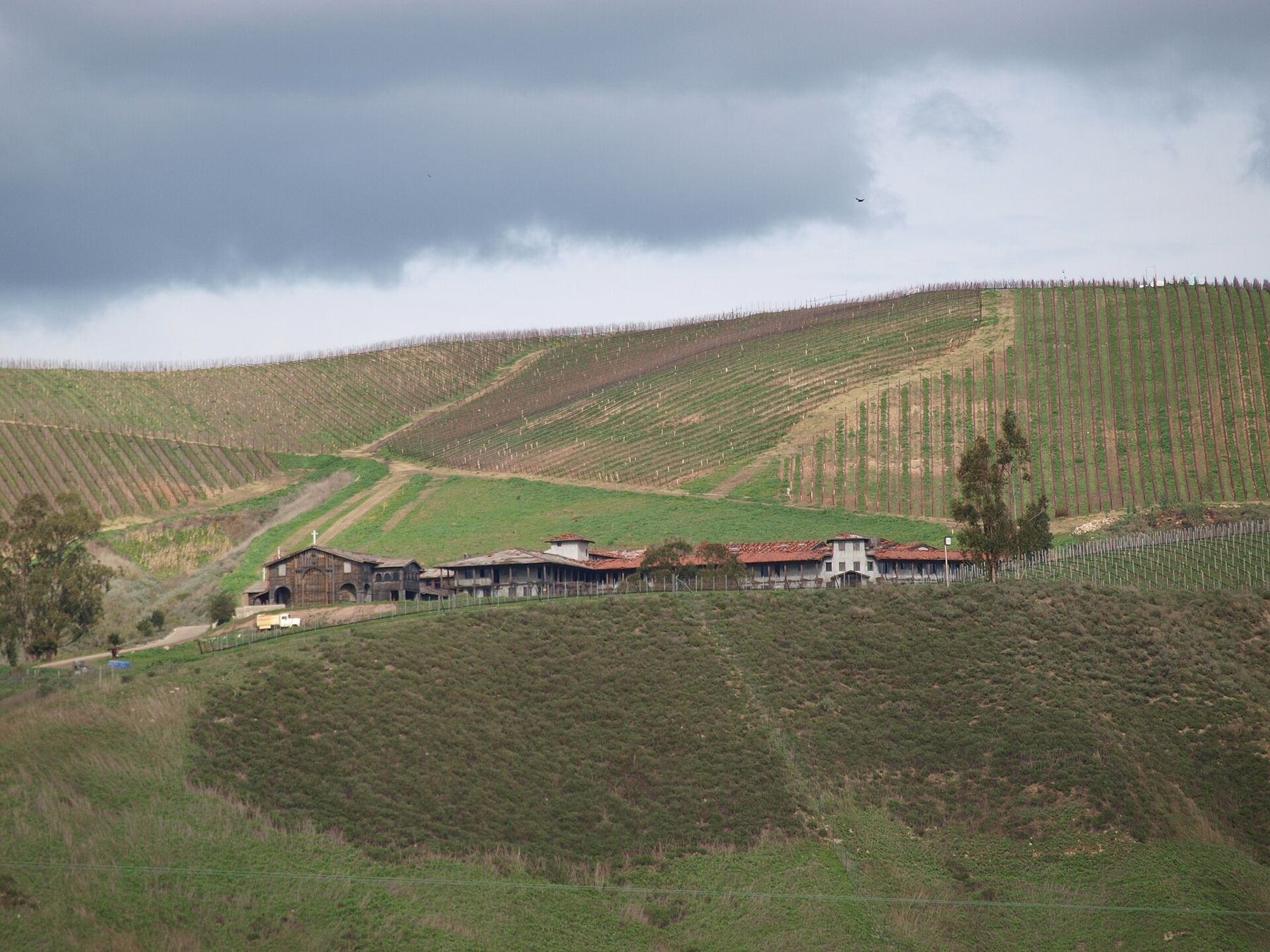
At four in the afternoon the light comes down Anacapa Street at a low angle and catches the glasses lined up on a bar inside a converted warehouse. A roll-up door stands open to the sidewalk. Someone is pouring a Pinot Noir grown forty miles away, on hills that catch the fog from the Pacific, and the people drinking it walked here.
That is the whole idea of the Urban Wine Trail. Santa Barbara County grows some of the most interesting wine in California, but the vineyards lie over the Santa Ynez Mountains, in the valleys of the north county. Tasting there means a drive and a designated driver. Over the past two decades, winemakers have brought the tasting room to the city instead: into the low industrial blocks between the beach and the freeway, and into the courtyards of the old downtown.
The trail is not one route with signposts. It is a loose network of rooms, many of them run by small producers who make their wine in town or truck it down from the valley. It began with a handful of wineries in the Funk Zone and grew outward. Rooms open, close and change hands every year, so this walk follows streets rather than names. Start at the depot, end at the Presidio, and stop where the doors are open.
Santa Barbara Railroad Depot
Begin where the train stops. The depot at the foot of State Street is a Mission Revival station from 1905, with a long arcade, a red tile roof and a giant Moreton Bay fig across the road that was planted in the 1870s. Amtrak's Pacific Surfliner and Coast Starlight both call here, and for anyone coming up from Los Angeles or Ventura, the train makes a wine afternoon simple: step off, cross the tracks, and the first tasting rooms are two blocks away.
Drivers can leave the car here too. Public lots line this end of town, and their rates and time limits change, so read the signs. The point is that the car stays put until tomorrow morning.
Walk east along Yanonali Street. The neighborhood begins at once: surf shops, a brewery or two, walls painted in murals that change as often as the tasting rooms.
Yanonali and Anacapa streets
This corner is the center of gravity. The Funk Zone was a district of fish packers, boat builders and machine shops until artists moved into the cheap space, and the winemakers followed them. The buildings are still low, plain and practical: cinder block, corrugated metal, wide doors made for forklifts.
The oldest name here is Santa Barbara Winery on Anacapa Street, founded in the early 1960s, before there was much of a county wine industry to speak of. Its long history makes a useful baseline. Around it, younger producers pour Pinot Noir and Chardonnay from the Sta. Rita Hills, Syrah and Grenache from Ballard Canyon, and Cabernet and Sauvignon Blanc from the warmer east end of the Santa Ynez Valley.
That geography is the best thing to learn on the trail. Ask where a wine was grown. In a single block you can taste across the whole county, from cool coastal hills to hot inland canyons, without leaving the sidewalk.
Helena Avenue
Turn onto Helena Avenue and the street narrows to a lane of warehouses. Some of the rooms here are working wineries: stainless steel tanks behind the bar, barrels stacked to the ceiling, the sour-sweet smell of fermenting grapes in the autumn crush. Others are simply bars with a winemaker's name over the door.
This is the place to slow down. A tasting flight is usually four to six small pours, and there is no rule that says you must finish them. Every room has a dump bucket, and using it is not rude. Two people can share one flight and taste just as much. The aim is to remember the fifth room as clearly as the first.
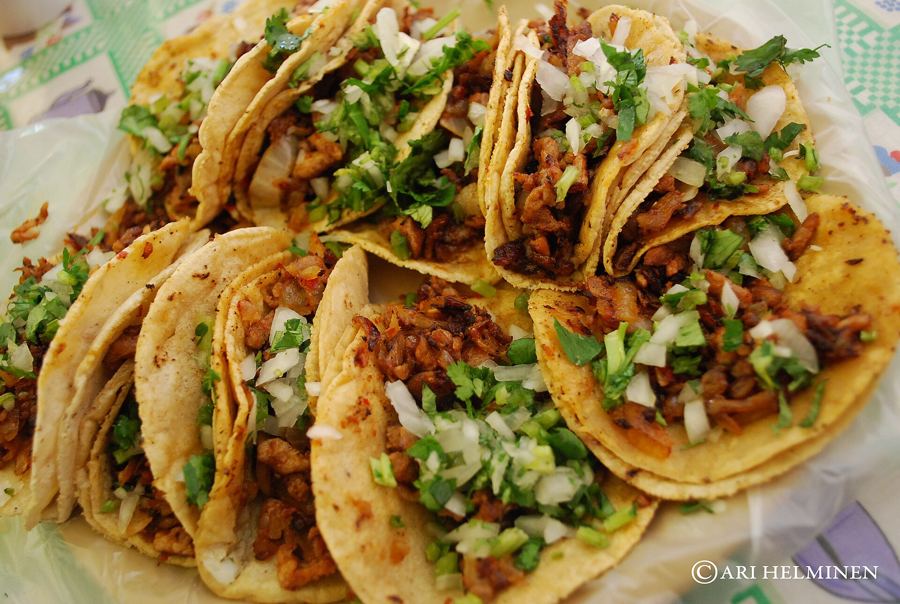
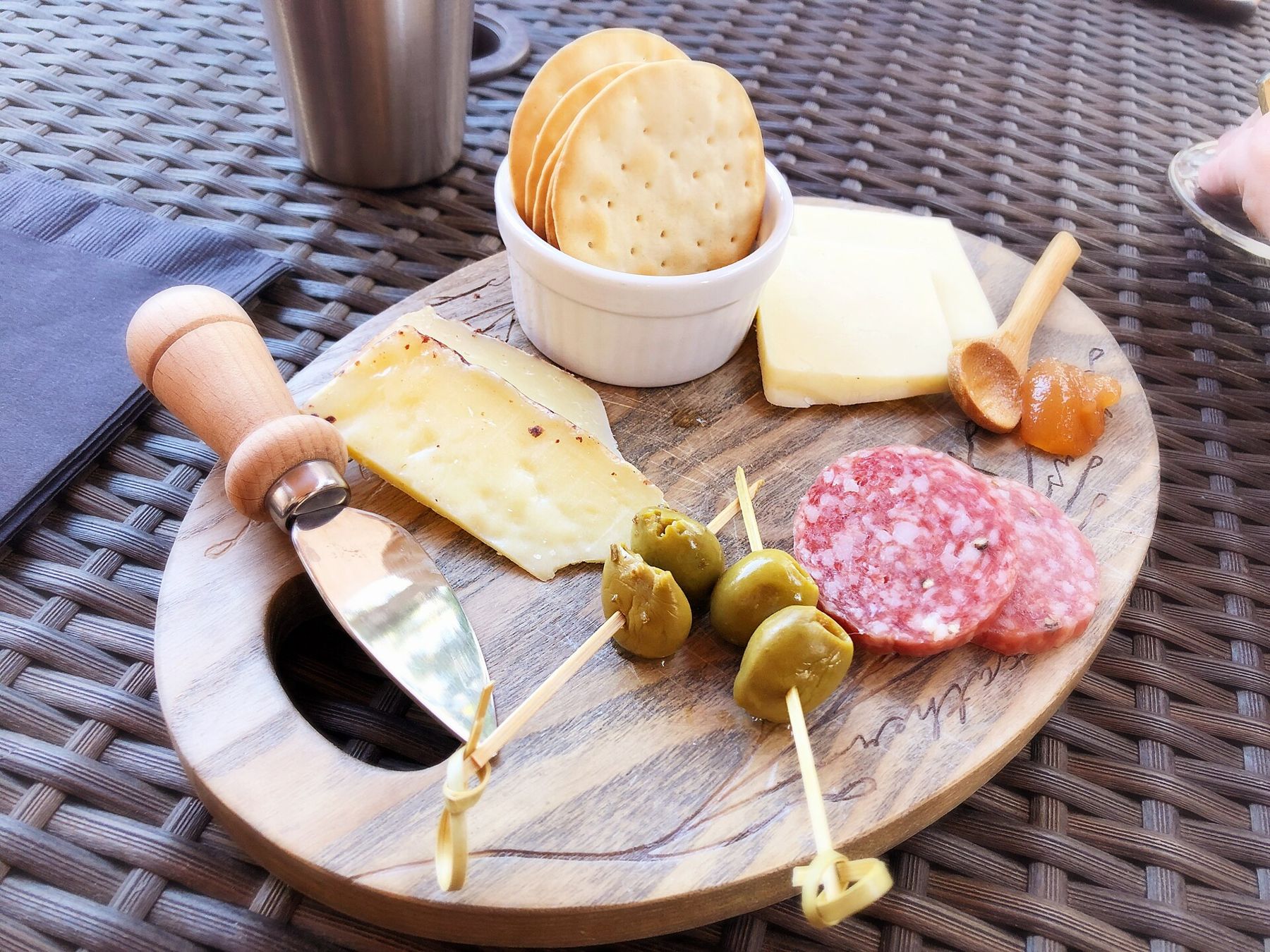
Many rooms also sell cheese, charcuterie or a plate of olives, and a few allow food from outside. Eat early. A taco or a bowl of chowder at the halfway point does more for the afternoon than another pour.
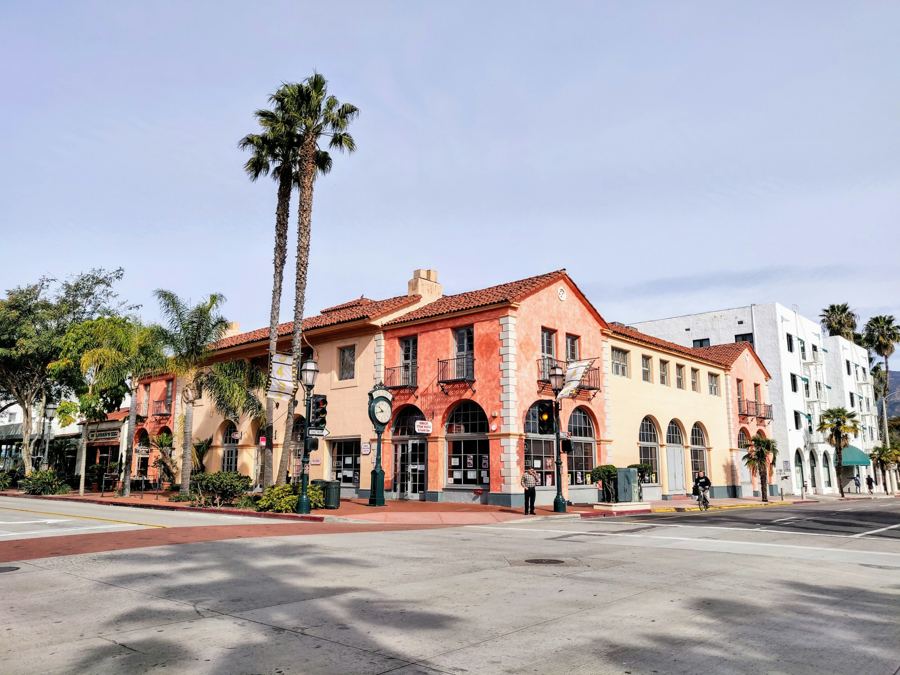 Also on Presidio PostThe Funk Zone, block by block
Mason Street
A block toward the sea, Mason Street is calmer. The beach and Cabrillo Boulevard are just beyond the end of the street, and you can smell the salt. The rooms here tend to have patios, and late afternoon is when they fill: the marine layer lifts, the light turns gold, and the mountains above the city go from gray to blue.
For anyone not drinking, this end of the neighborhood is good company too. Several rooms pour non-alcoholic drinks or sparkling juice, and the Funk Zone has coffee roasters, galleries and small shops that keep going while the others taste. The murals alone are worth an hour. Walking the trail sober, as the driver of the group or for the pleasure of the neighborhood, is a perfectly good afternoon.
If the day is long, this is also the natural place to stop. The walk to downtown is uphill, about a mile, and everything after this is optional.
Lower State Street
To continue, head back to State Street and walk north, away from the water. You pass under Highway 101 and the railroad, and the street changes character block by block: hotels and surf shops give way to restaurants and then to the pedestrian blocks of the State Street promenade, where tables now spread into the old traffic lanes.
The walk takes twenty minutes and clears the head. Drink water as you go. The sun is stronger than it feels with the sea breeze at your back, and an afternoon of tasting dehydrates faster than an afternoon at the beach.
At De la Guerra Street, turn right toward the plaza and the old adobe of the De la Guerra family, built in the 1820s. The tasting rooms of the downtown half of the trail hide in the courtyards just ahead.
El Paseo
El Paseo is the opposite of the Funk Zone. Built in the 1920s around the adobe, it is a warren of whitewashed passages, tiled steps, fountains and bougainvillea, designed as a Spanish street in miniature. It is one of the buildings that taught Santa Barbara to look the way it does, and the tasting rooms here sit inside that history: thick walls, dim rooms, tables set out in the courtyards.
The wines are much the same as down by the beach, but the mood is slower. It is a good place for a last glass rather than a full flight, and a good place to sit. The passages connect Anacapa Street, State Street and De la Guerra Plaza, and getting a little lost in them is part of the visit.
The Presidio blocks
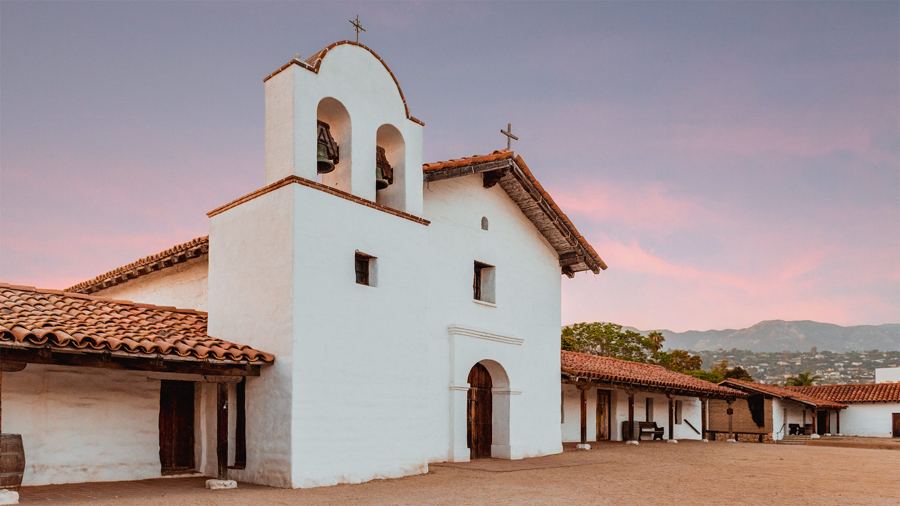
Two blocks up Anacapa or Santa Barbara Street, the trail reaches the oldest part of the city. El Presidio de Santa Bárbara was founded in 1782 as the last of Spain's four military forts in Alta California, and its rebuilt chapel and adobe walls stand on Cañon Perdido Street. A small cluster of tasting rooms has gathered in the blocks around it, some in old buildings with deep porches and others in new ones built to match.
It is a fitting place to finish. The padres at the missions planted the first grapes in this part of California. More than two centuries later, the bottles on these bars come from vineyards the padres never saw, but the walk ends a few steps from where the story began.
The practical part
The full walk, depot to Presidio, is about a mile and a half, on flat sidewalks except for the gentle climb up State Street. Allow an afternoon. Most tasting rooms open around midday and close in the early evening, but every room keeps its own hours and its own fees, and both change with the season. Weekends are busy, and some rooms take reservations for groups. Check before going.
Tasting fees are sometimes waived with a bottle purchase. Policies vary, so ask. If you buy more than you can carry, many rooms ship within California and to some other states, subject to each state's rules.
Plan for the end of the day. Do not drive. Downtown is compact, taxis and ride services are easy to find, and the train back to Ventura or Los Angeles leaves from where you started.
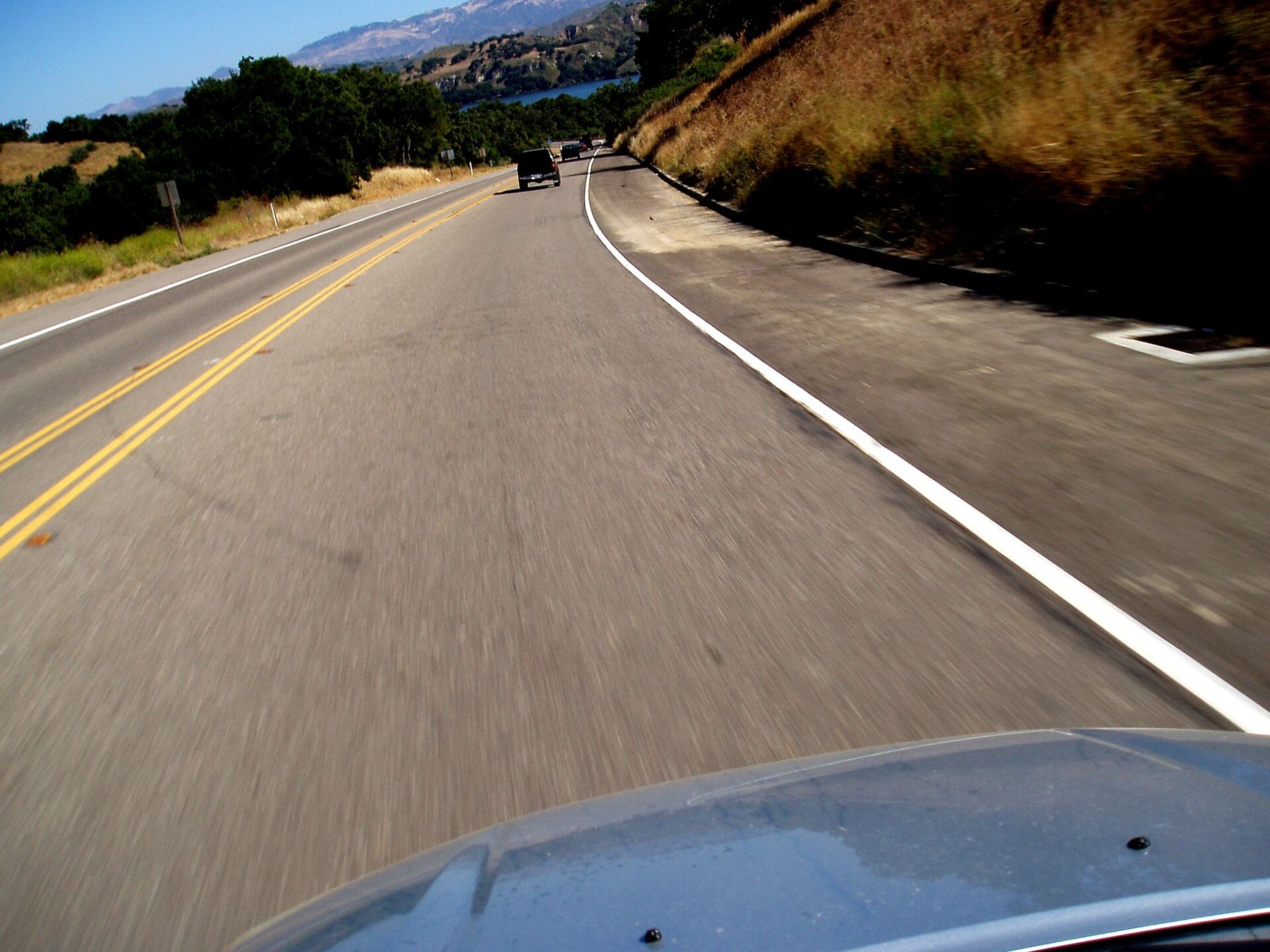
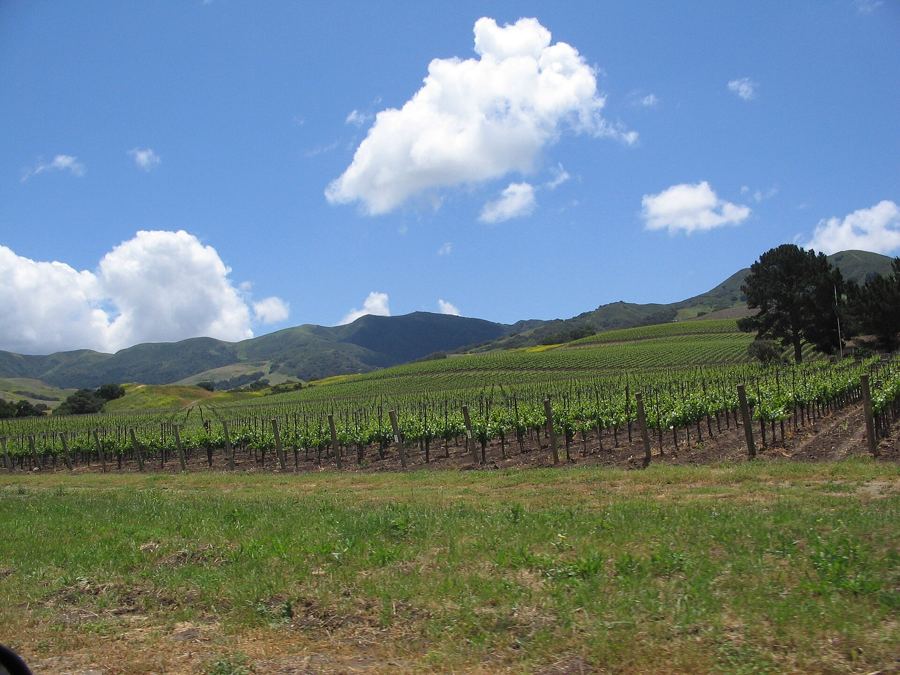
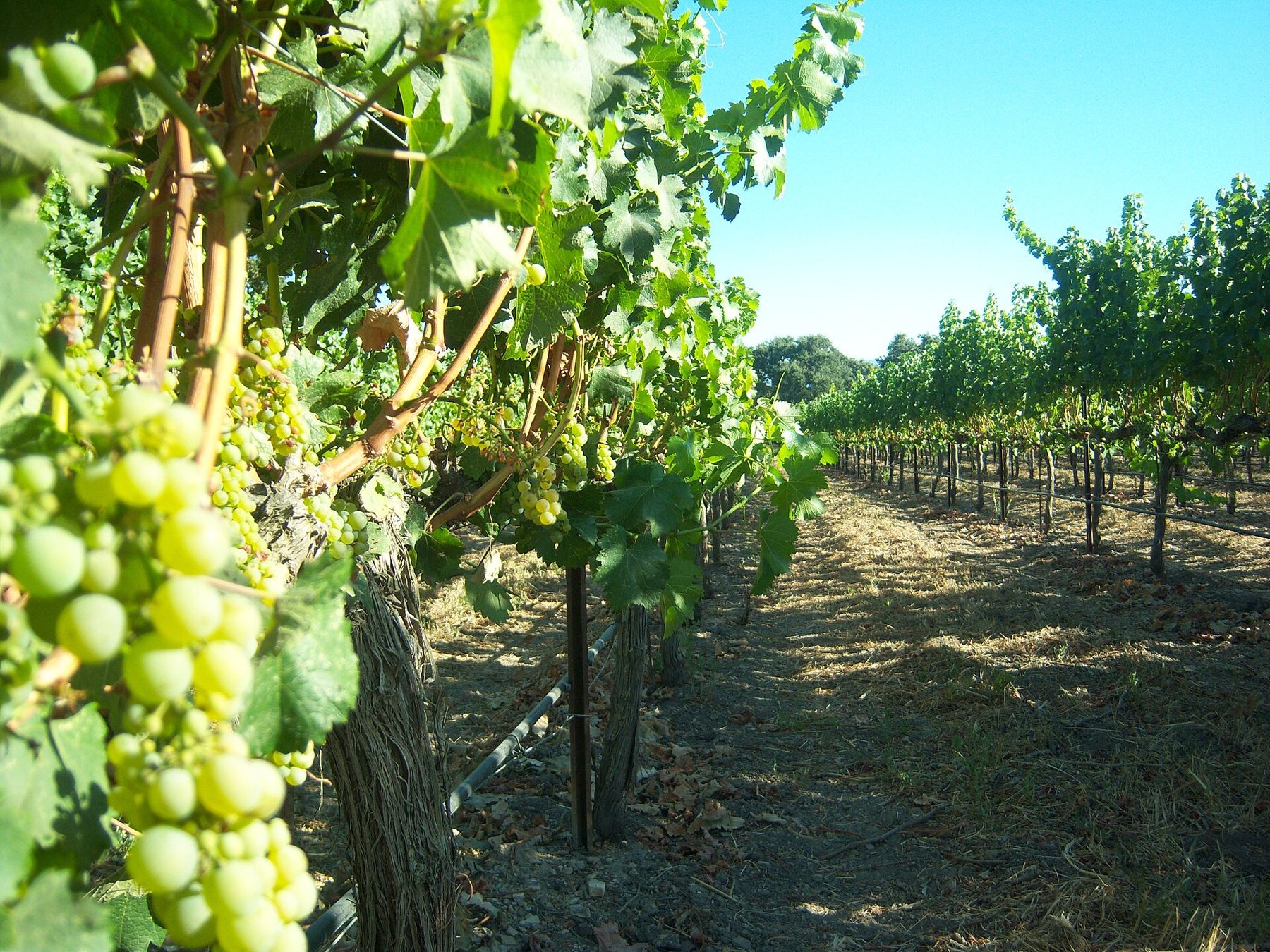
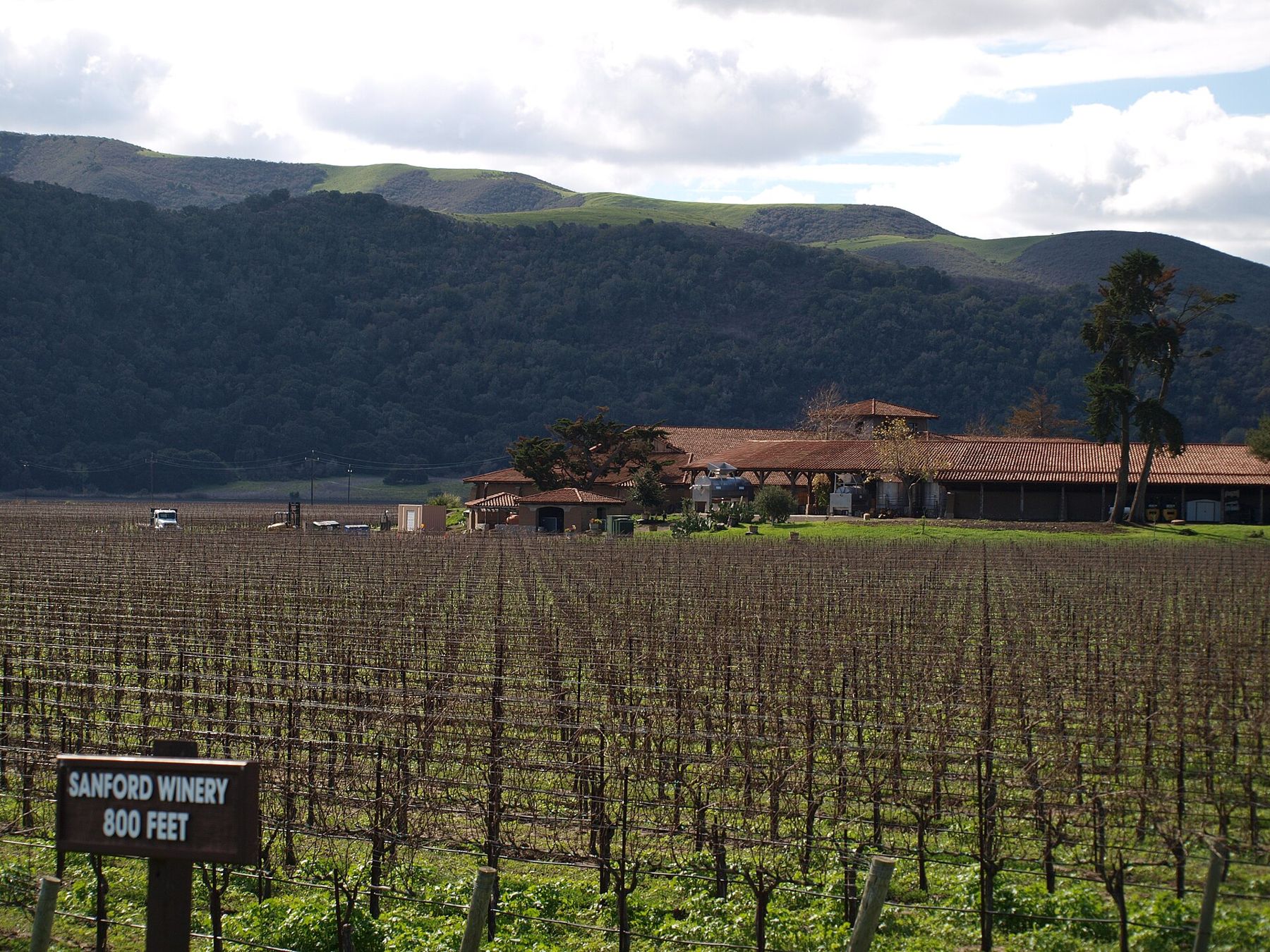
Finally, the vineyards themselves are worth the trip once you know what you like. The road over San Marcos Pass climbs out of town behind the Mission, crests the mountains, and drops into oak country and long rows of vines.