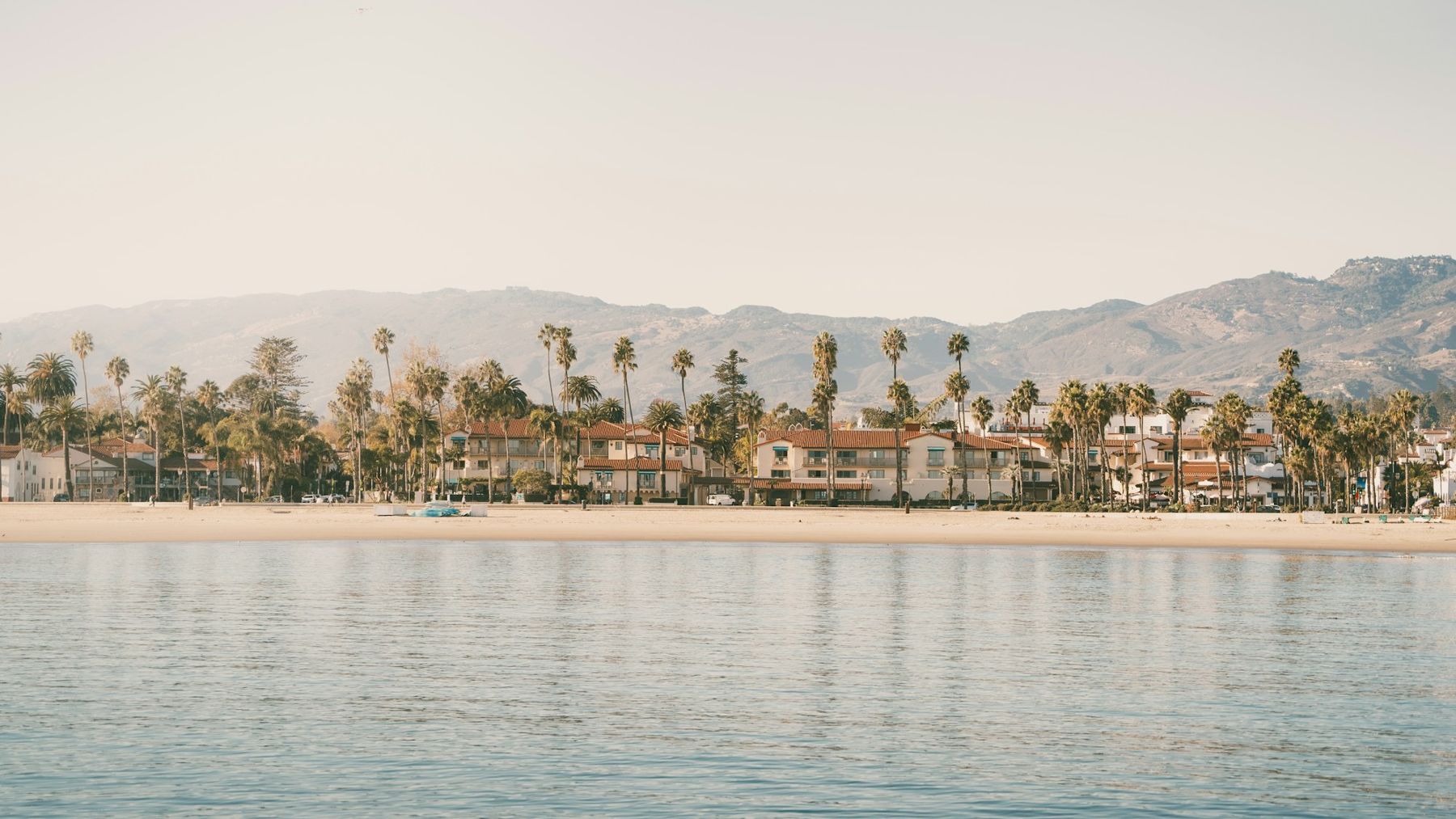
From the Courthouse tower, Santa Barbara looks like a single town. It is a string of them, laid along a narrow strip of land between the Santa Ynez Mountains and the sea, each with its own beach, its own main street and its own pace. Where you stay, or simply where you spend your days, shapes the trip more than almost anything else.
Here are ten, from the centre outward. Every one has its strengths, and none of them is right for everyone.
Downtown
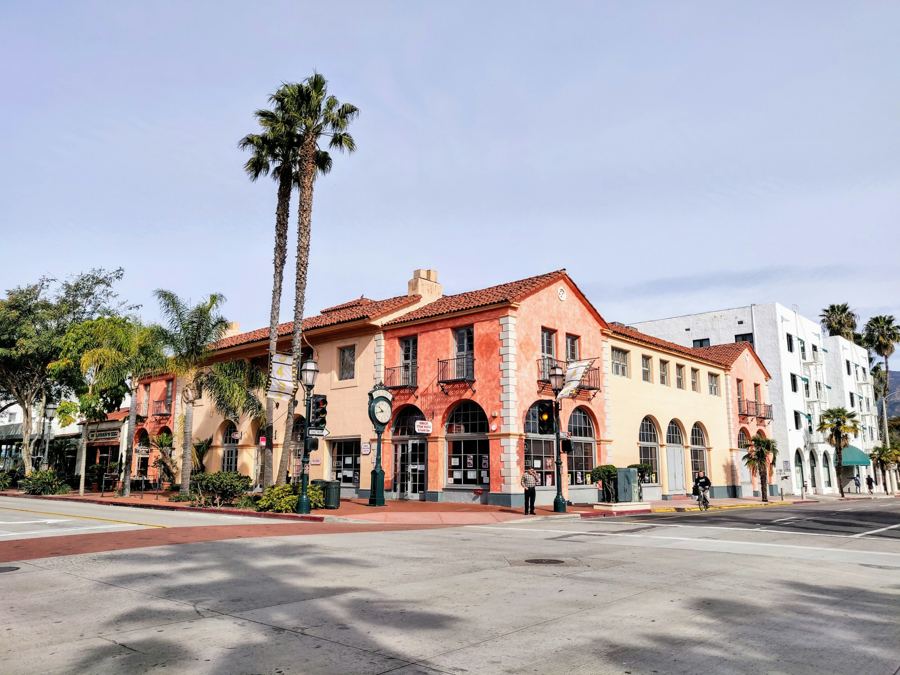
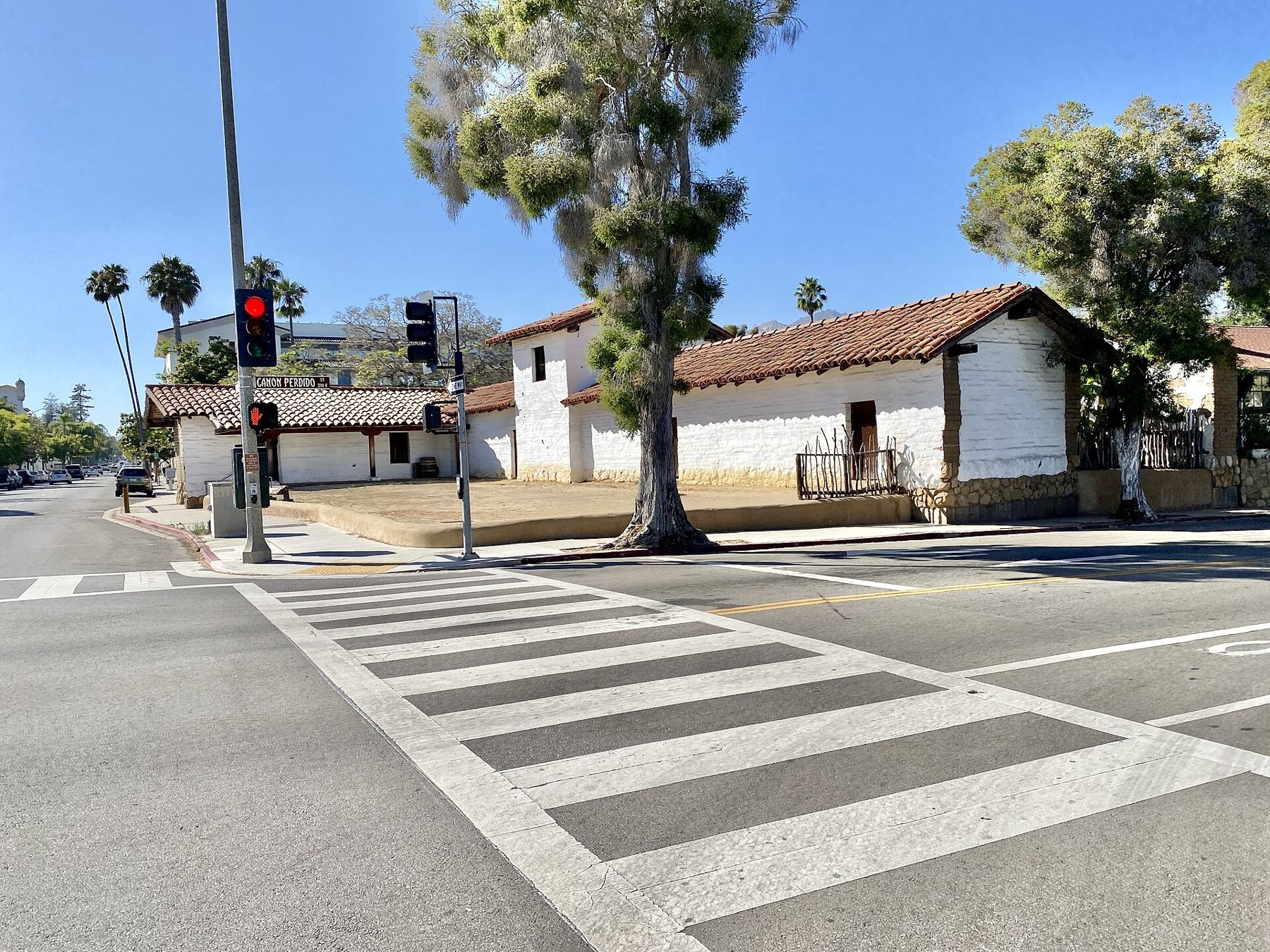
The old centre, around State Street and the Presidio, is the most walkable part of Santa Barbara by far. The Courthouse, the Mission, the museums, the theatres, the Presidio and a dense grid of restaurants and shops are all within a mile or so, and the beach is a long, flat walk down State Street. It is the place for anyone who wants to leave the car parked for days.
The trade-off is the beach itself, which is not on the doorstep, and some evening noise on and near State Street. Families with young children may want more space. For a first visit focused on history and food, downtown is hard to beat. Our Red Tile walk covers the core of it on foot.
The Funk Zone
The old industrial blocks between the railroad and the beach, east of lower State Street, are the liveliest part of town on a weekend. Warehouses have become tasting rooms, galleries, studios and places to eat, and the beach and the wharf are a few minutes' walk away.
That liveliness is the trade-off. Evenings can be loud, trains pass through, and there are few places to stay inside the district itself, though the waterfront hotels are close by. It suits couples and friends who want to walk to dinner, a glass of wine and the sea, and who do not mind a bit of noise. Families with small children will probably prefer a quieter base. Our walk of the Funk Zone goes block by block.
The waterfront
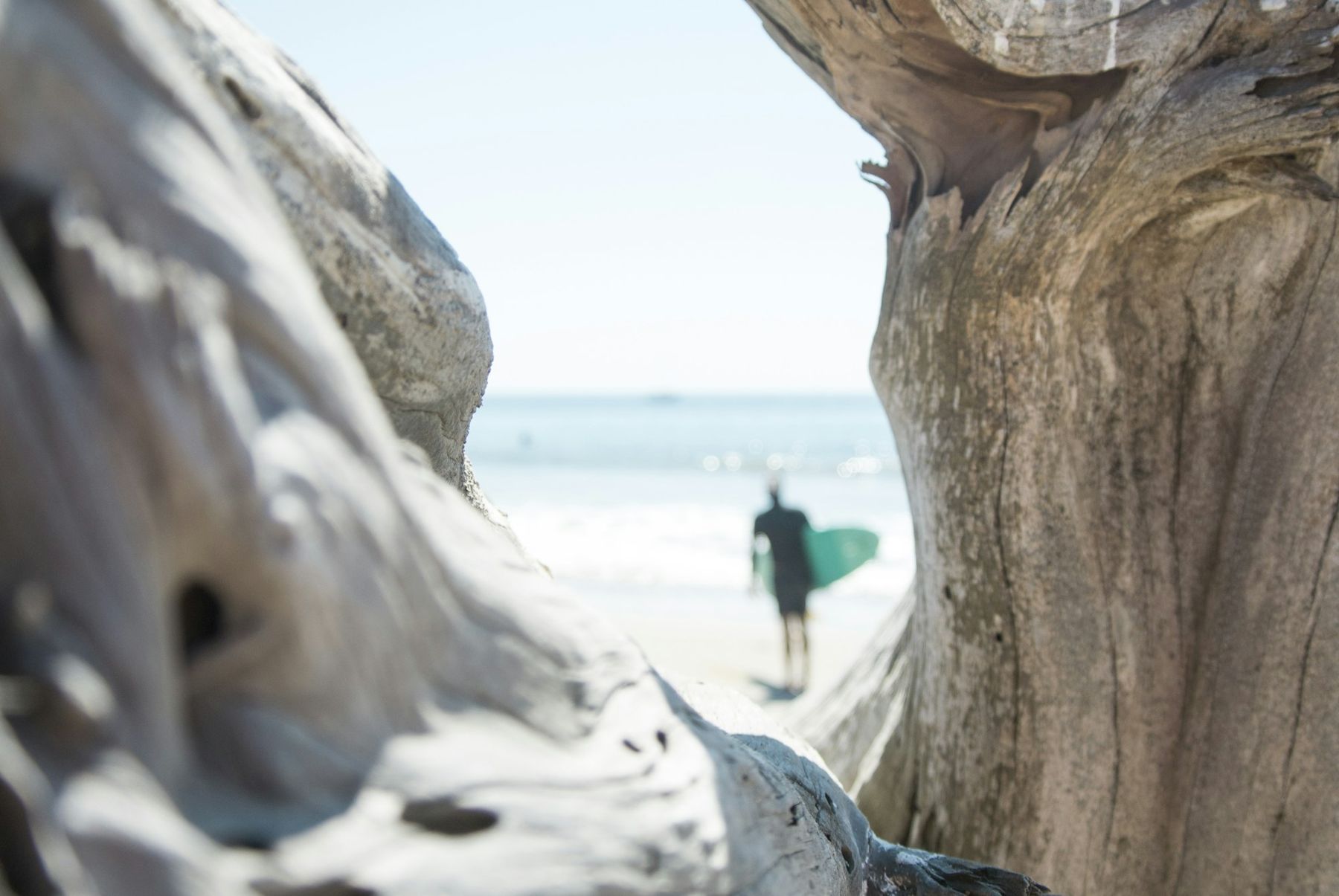
Cabrillo Boulevard runs along the beach from the harbor to East Beach, lined with palms, hotels and a paved path for walking and cycling. Stay here and the sand is across the road, the wharf and the harbor are a short walk away, and the bike path takes you anywhere along the shore.
This is the classic choice for a beach holiday, and it suits families well. The trade-offs are traffic on Cabrillo, the sound of the railroad and the freeway a few blocks inland, and prices that are high in summer. Downtown is a mile or so up State Street, on foot or by the waterfront shuttle. Our story on staying on the waterfront goes into the detail.
The Mesa
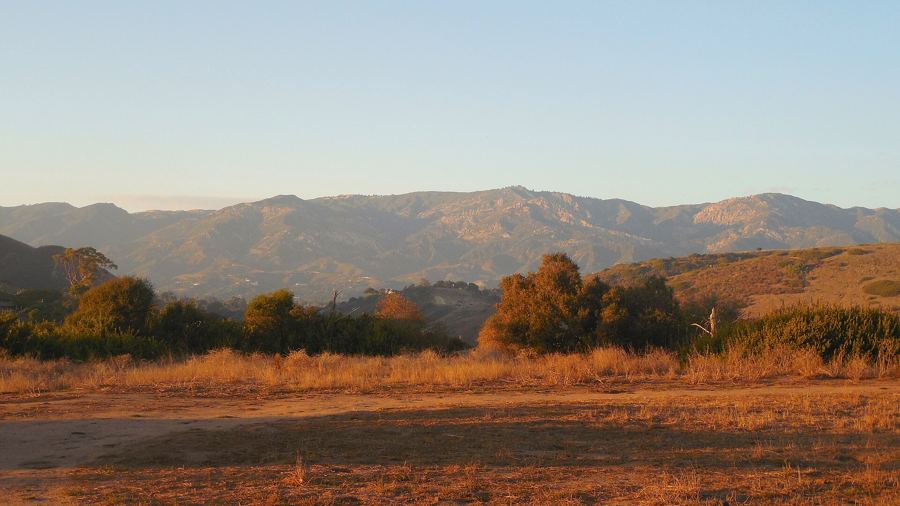
West of the harbor, the land rises onto a flat plateau of houses, small shops and clifftop parks. The Mesa is residential and quiet, with Shoreline Park and the Douglas Family Preserve along its edge and stairways down to beaches that come and go with the tide.
There are few places to stay, and most visitors who base themselves here rent a house. It suits anyone who likes to walk a bluff in the evening and be in bed early, and it is good with dogs. It is a short drive to downtown, but a long walk; this is not the place for anyone who wants to stroll out to dinner. Its parks and stairways are the reason to come.
 Also on Presidio PostWhere to stay in Santa Barbara: the short answer
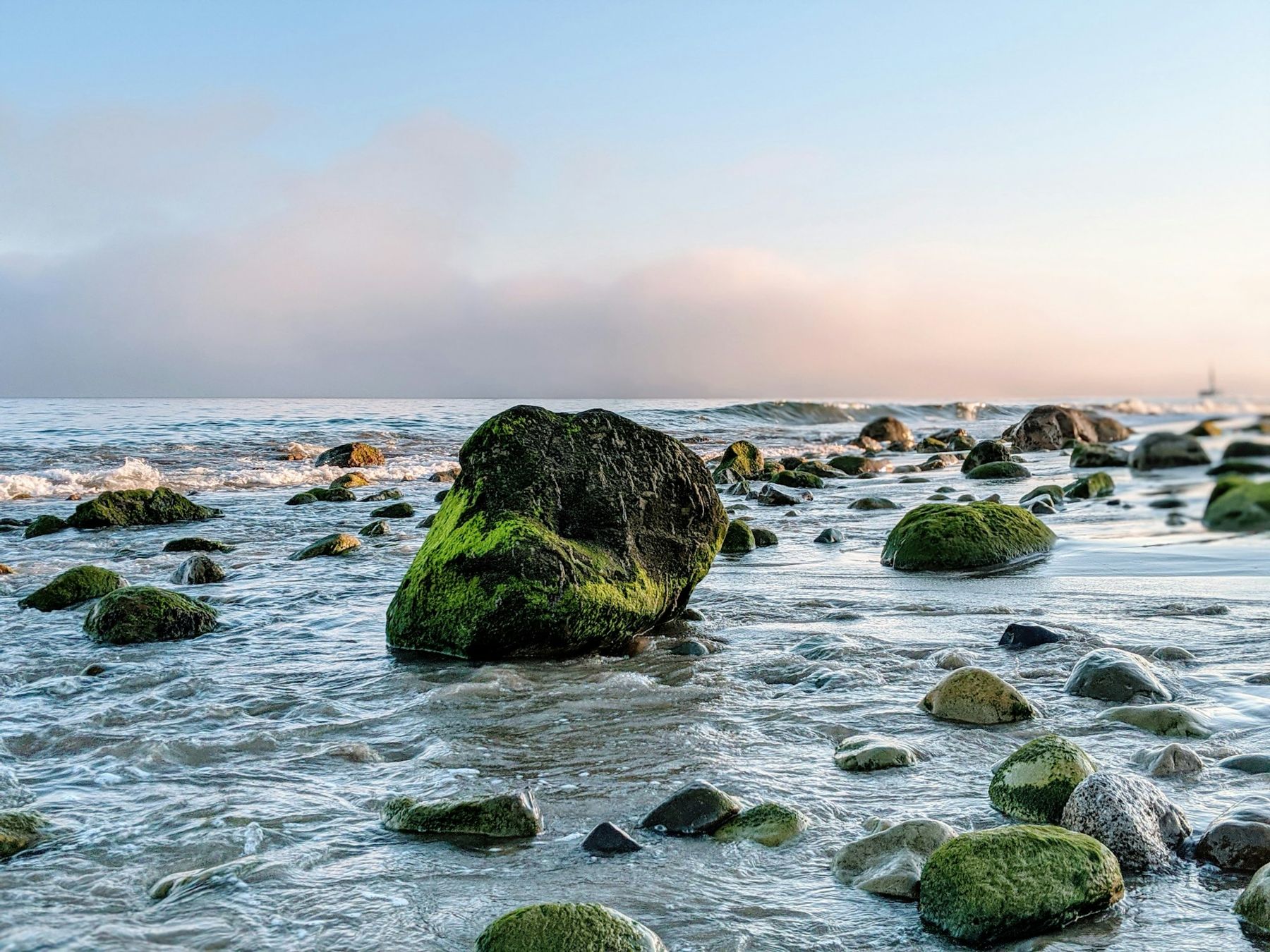
The Riviera
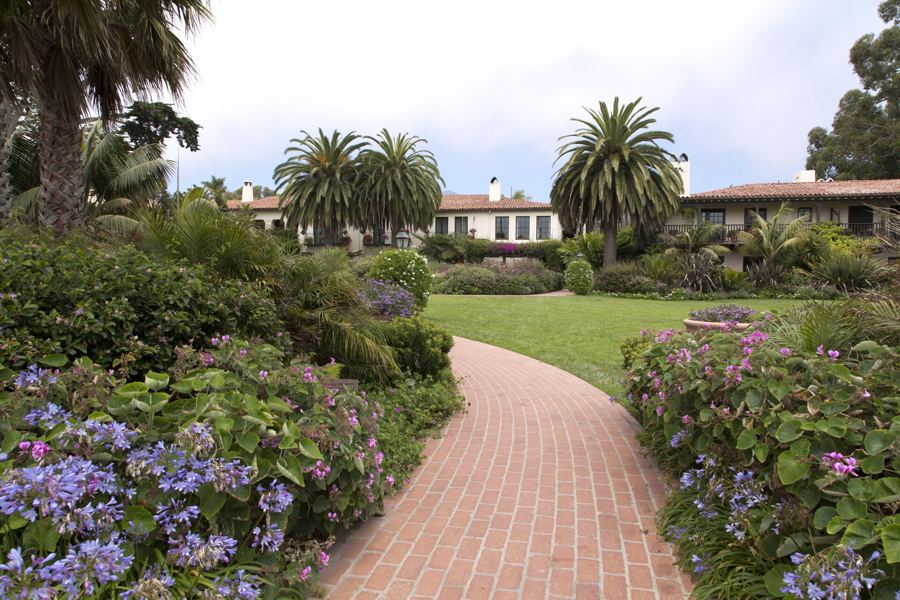
Above the Mission, the hills climb steeply into the Riviera, a neighbourhood of winding lanes, terraced gardens and houses arranged to face the view. From up here the city, the harbor and the islands spread out below, and the evenings are quiet.
The streets are narrow, steep and confusing, and walking anywhere useful means a long climb back. Visitors mostly come for a view or to stay at one of the long-established hotels on the hill, such as El Encanto, which has looked out over the city since the early twentieth century. It suits couples who want calm and a view, and who do not mind driving down for dinner. It is not a natural base for families.
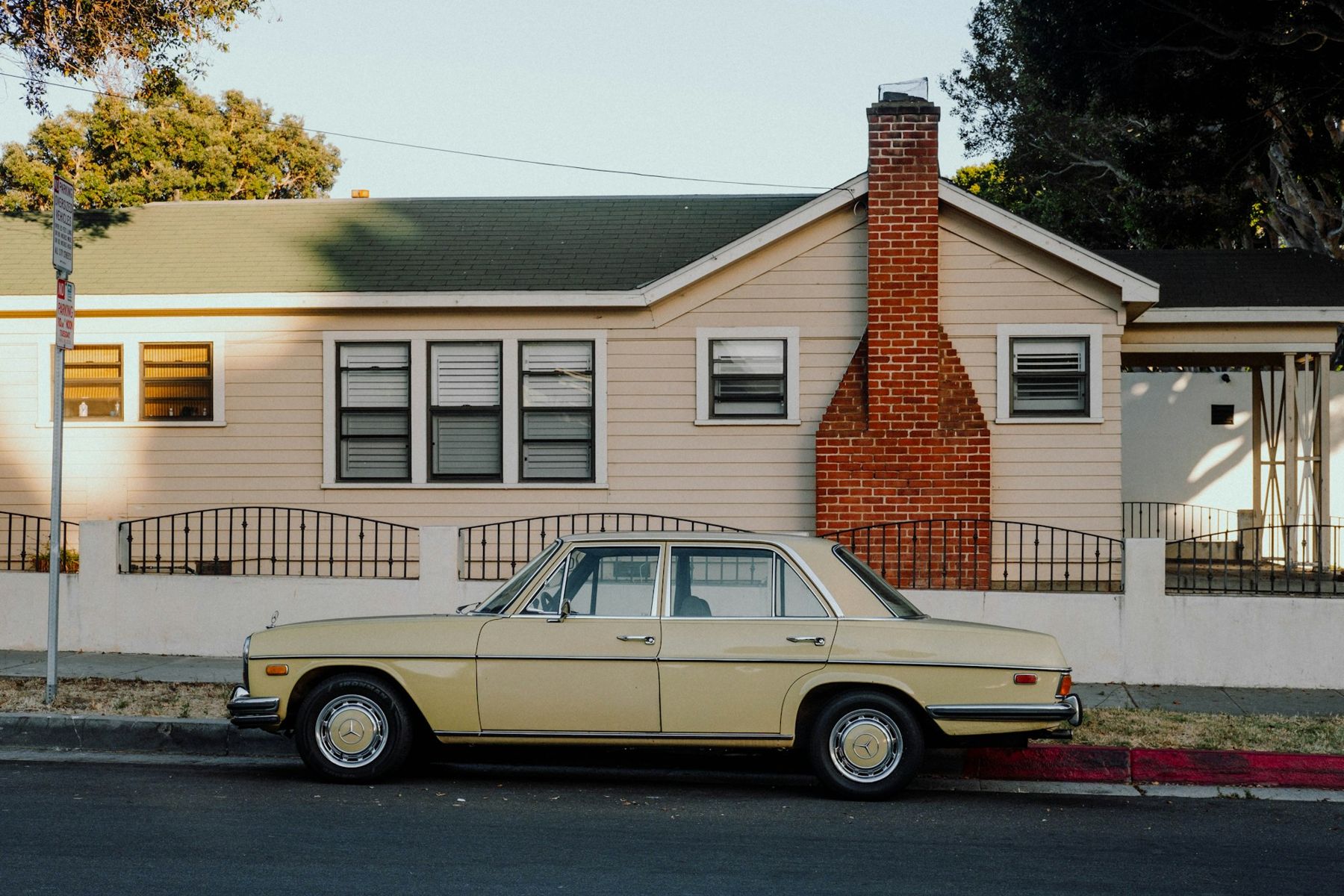
Upper State
Above downtown, State Street runs north through a long, flatter stretch of the city, past shopping centres, offices, neighbourhood restaurants and a run of motels and modest hotels, many of them dating from the decades when this was the main road through town.
Upper State is not picturesque. It is practical: prices tend to be lower than on the waterfront, parking is easier, and buses run frequently down State Street to downtown and the beach. It suits budget trips, longer stays and visitors who will be driving out to the mountains or the wine country. The beach is a drive or a bus ride away.
Montecito
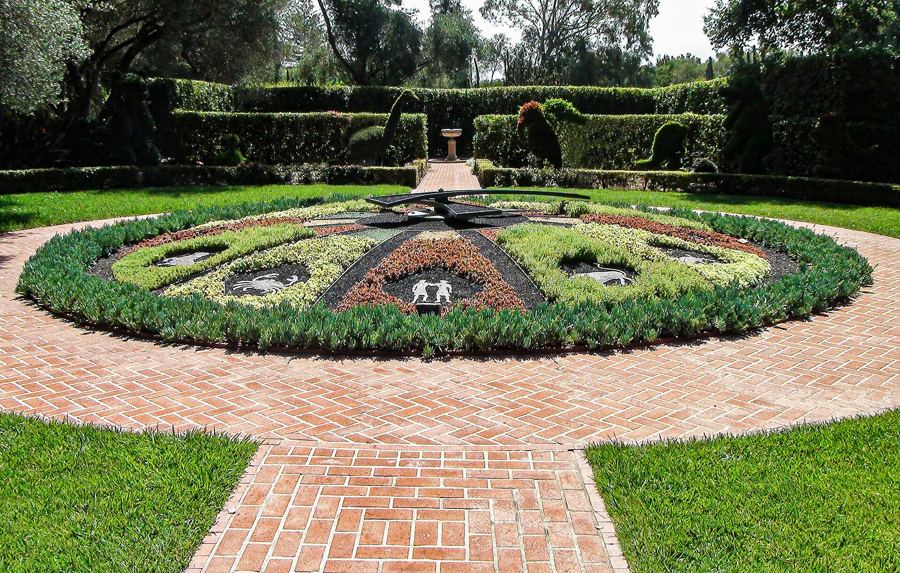
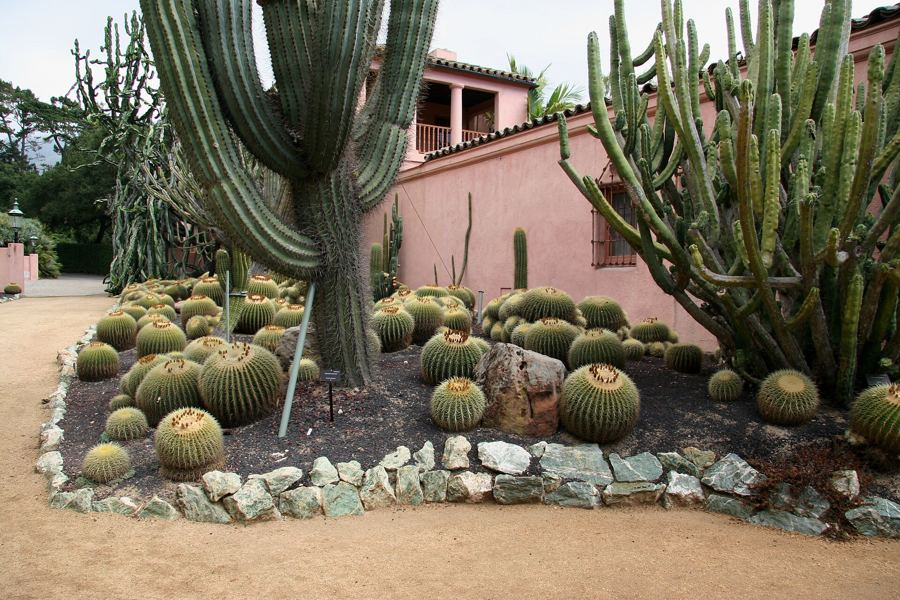
East of the city, Montecito is a community of estates and gardens behind tall hedges, with two small villages, Coast Village Road and the Upper Village, and Butterfly Beach below Channel Drive. Lotusland and Casa del Herrero are here, both by reservation, and trailheads into the mountains start at the top of its lanes.
Montecito is quiet and very expensive, and it is spread out, with few sidewalks on many roads. It suits couples on a special trip, garden lovers and hikers. Downtown Santa Barbara is a short drive away, but the nightlife is not Montecito's strength. Our story on Montecito covers it in full.
Summerland
A few miles east of Montecito, Summerland is a small town on a hillside above the freeway, with a short main street, Lillie Avenue, lined with antique shops and a few places to eat. It was founded in the 1880s as a spiritualist community, and in the 1890s the first offshore oil wells in the world were drilled from wooden piers along its shore.
Today it is quiet, with a small beach below Lookout Park and very little in the way of hotels. It suits anyone renting a house, or anyone who wants a half-day outing from Santa Barbara for lunch, a walk and a browse. It is not a base for anyone without a car.
Carpinteria
About twelve miles east of Santa Barbara, Carpinteria is a beach town with a gentle, reef-protected shore it calls the world's safest beach. Its main street, Linden Avenue, runs straight to the sand, and the harbor seal rookery and the bluffs are a short walk away.
It is the best choice for families with small children who want an easy beach and a quieter evening. Prices are often lower than in Santa Barbara, and trains stop in town. The trade-off is distance: downtown Santa Barbara is a twenty-minute drive, or longer in traffic. Our story on Carpinteria has the details.
Goleta
West of the city, Goleta is a city of its own, incorporated in 2002, with the university at its edge and the airport beside it. It has the region's widest choice of practical hotels, Goleta Beach, the Ellwood bluffs and their winter monarch butterflies, and easy access to the Gaviota coast further west.
Goleta is suburban and spread out, and few visitors would call it charming. It suits families, visitors to the university, travellers flying in or out, and anyone heading west along the coast or north to wine country. Downtown Santa Barbara is about ten miles away, a drive of fifteen to twenty minutes outside rush hour.