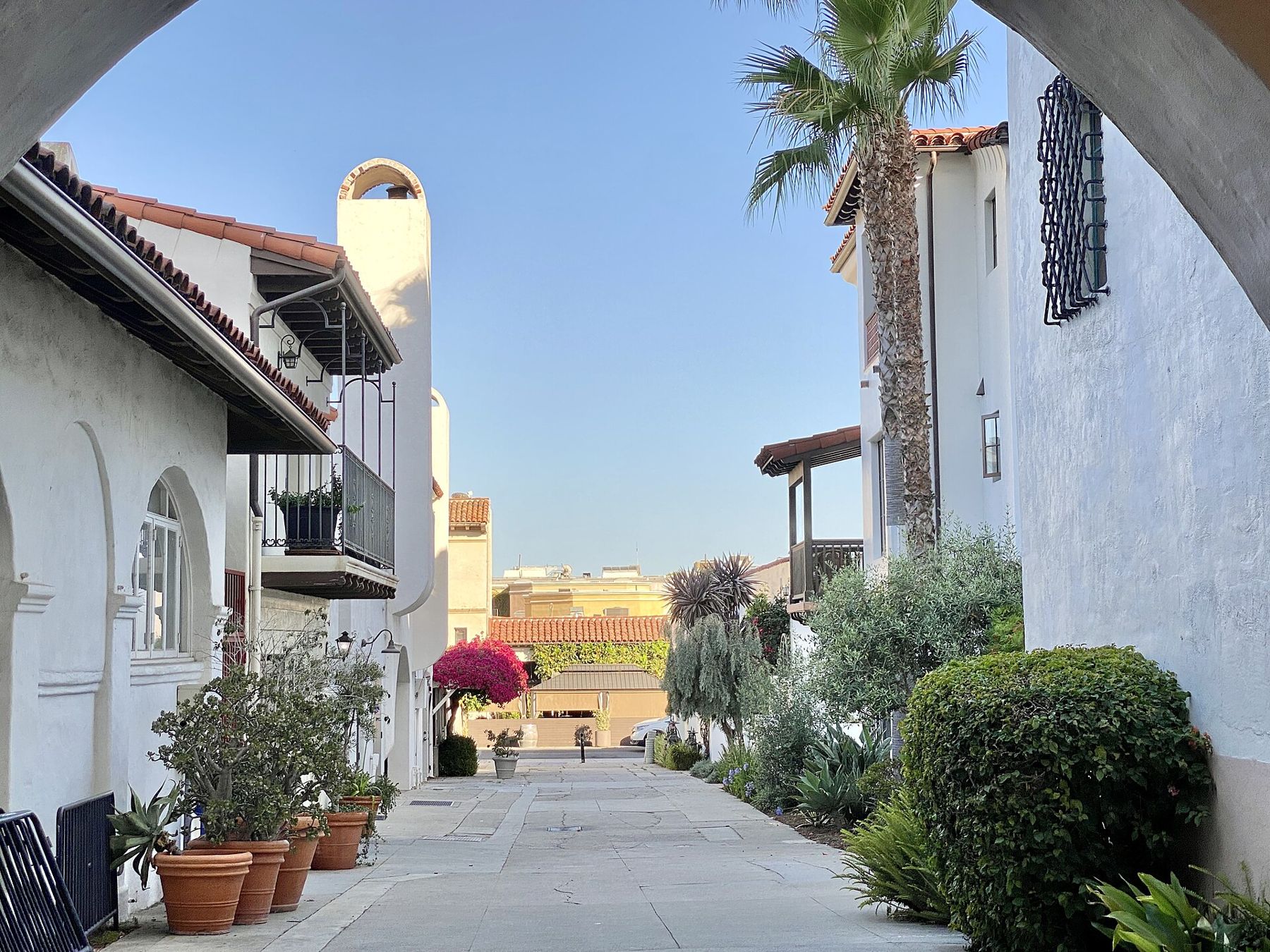
Downtown Santa Barbara wakes up slowly. At eight the arcades on State Street are in shadow and the shopkeepers are hosing the tiles. A delivery truck idles on a side street. The Courthouse lawn is empty except for sprinklers, and the clock tower stands over it in white stucco, catching the light before anything else does.
Stay here and that is your morning. You walk out the door and the city is around you, every block of it built in the Spanish style the town chose after the 1925 earthquake. The beach is a mile away. Most people who stay downtown find they do not mind.
What downtown means
For a visitor, downtown is the grid of streets on either side of State Street, from the railroad tracks near the station up to about the Arlington Theatre, near Sola Street. Anacapa and Chapala run parallel to State on either side; the cross streets carry Spanish names, Carrillo, Canon Perdido, De la Guerra, Figueroa, many of them for the families of the old Presidio.
The lodging here is varied: hotels on and near State Street, a few of them in buildings with real age, and a scattering of small inns, many of them in Victorian or Craftsman houses on the quieter streets west of State. Rates change with the season and the calendar, and downtown fills on festival weekends just as the beach does.
The case for walking everywhere
The reason to stay downtown is distance. From the middle of State Street, the Courthouse is five minutes away, the Presidio ten, the Museum of Art five. The Lobero Theatre, El Paseo, Casa de la Guerra and the Historical Museum are all within a few blocks. You can walk the whole of the Red Tile walk from your door and be back for lunch.
The restaurants are the other reason. Most of the city's dining is downtown or in the Funk Zone just below it, and so are the tasting rooms of the Urban Wine Trail. Staying close means a glass of wine with dinner does not raise the question of who drives.
The evenings are the third reason. The Arlington, the Granada and the Lobero all stage films, concerts and performances within a few blocks of each other, and a show ends with a short walk back rather than a drive. The city's certified farmers market has long set up downtown on Saturday mornings and along State Street on Tuesday afternoons; days, hours and locations can change, so check before going.
Around the Courthouse
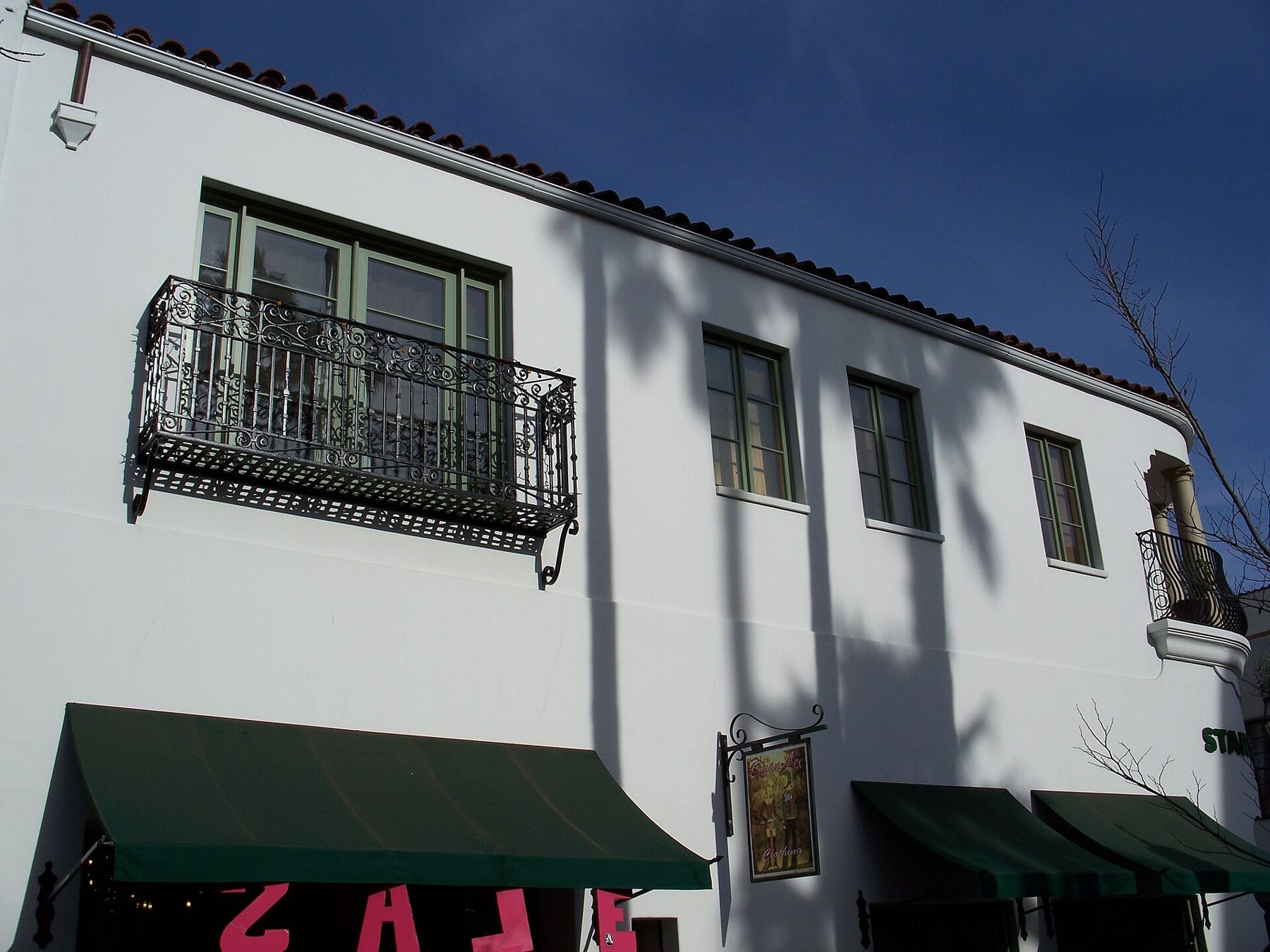
The blocks east of State, around Anacapa Street and the Courthouse, are the most beautiful part of downtown and among the calmest. The Courthouse clock tower is free to climb, and its sunken garden is the city's best lawn for doing nothing. The Presidio is a short walk down Canon Perdido Street, and the old adobes of the quarter are scattered through these blocks.
Lodging in this part of town tends to be small, and these streets go quiet in the evening. For a trip built around the old town, this is the place to be.
It is also the part of downtown where you feel the city's age. Small adobes from the Spanish and Mexican eras stand among the later buildings, and the street names on the corners are the names of the families who lived in them. A morning walk here, before the shops open, is the strongest argument for staying downtown at all.
The middle of State Street
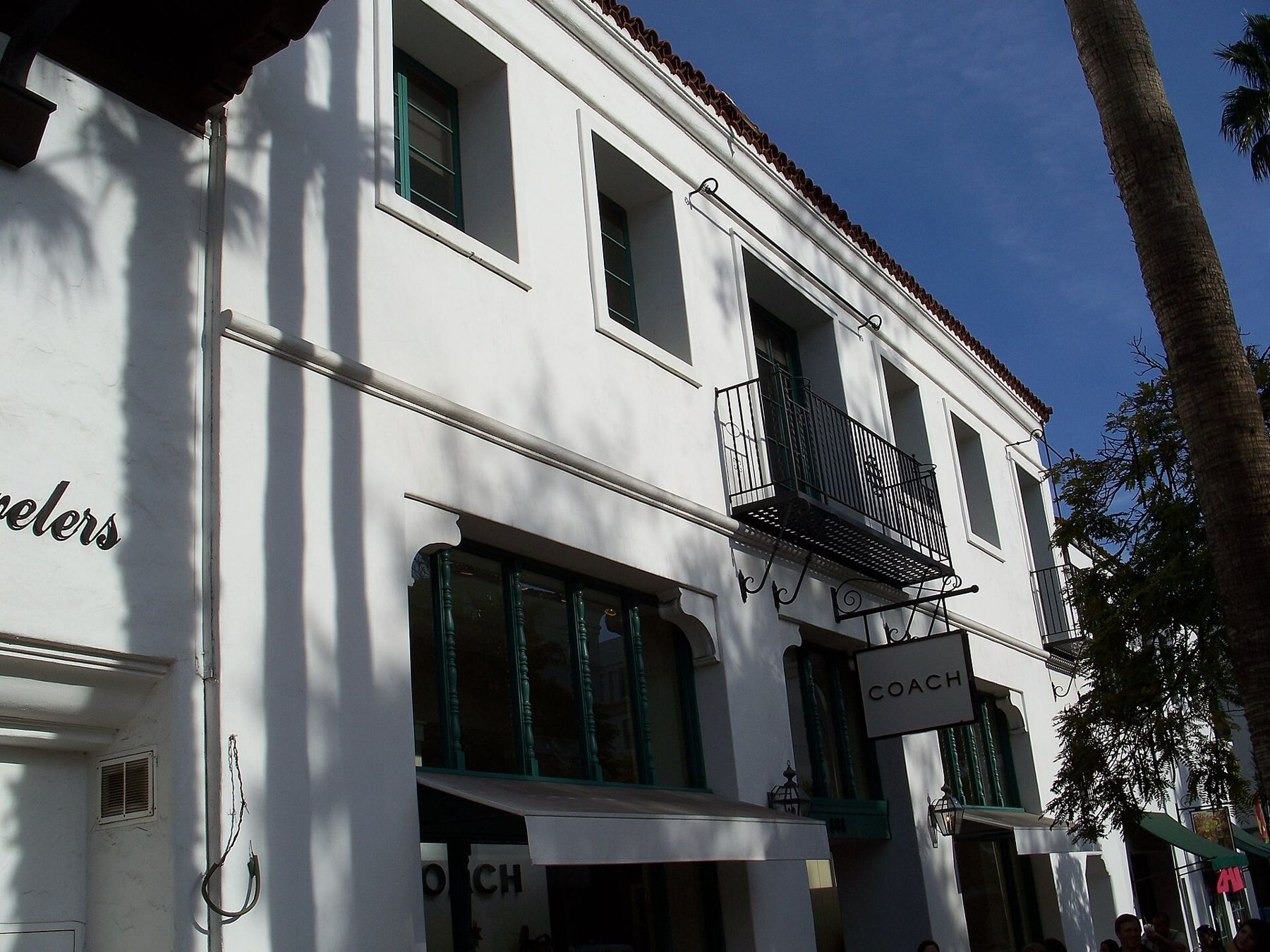
Since 2020, several blocks of State Street have been closed to cars and turned over to people on foot and on bikes, with restaurant terraces in the roadway. The arrangement has been debated and revised more than once, and plans for the street's future are still changing. For a visitor it makes the middle of downtown a pleasant place to walk, especially in the evening.
It also makes the lower and middle blocks of the promenade the liveliest at night, with bars and music on weekends. Rooms close to that stretch put you in the middle of things, which is either the point or the problem. See State Street, from the mountains to the sea for the whole length of the street.
 Also on Presidio PostWhere to stay in Santa Barbara: the short answer
Inns on the side streets
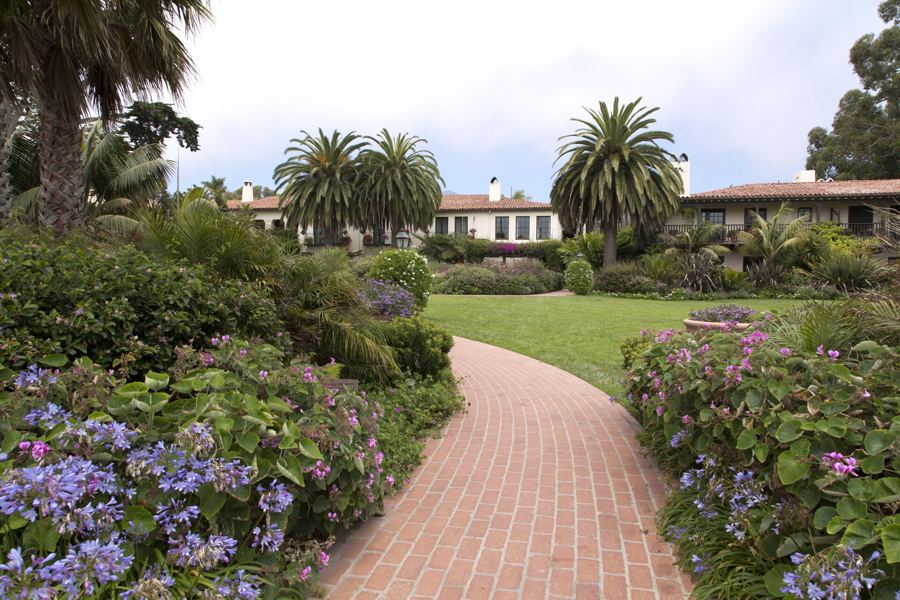
West of State, the streets change character within a block. Bath, Castillo and De la Vina Streets, and the cross streets around them, are residential, with old houses behind gardens, many of them turned into small inns over the years. The Upham, on the corner of Sola and De la Vina, has taken guests since 1871 and is one of the oldest hotels in the state.
This is downtown for people who want quiet. You are a few minutes' walk from State Street but out of its noise, and the gardens and porches of these houses are part of the stay. Rooms in old houses vary a great deal; ask about stairs, size and parking before you commit.
The houses themselves are part of the city's story. They belong to the wooden town of the late nineteenth century, built before the 1925 earthquake turned Santa Barbara toward stucco and tile.
Lower State and the station
Below the 101, lower State Street runs past the train station and into the Funk Zone, then on to the beach. This is the bridge between downtown and the waterfront. Lodging here puts you within a walk of both, close to the station if you arrive by train, and close to the tasting rooms. The trade-off is the noise of the rail line and the freeway, and the late nights of the Funk Zone on weekends.
The car, the bus and the beach
A car is more trouble than help downtown. The city runs public garages on the blocks either side of State Street, with fees and any free time that change from year to year; many hotels charge for parking or have little of it. Once parked, most visitors leave it.
To reach the beach, walk down State Street, which takes about twenty-five minutes, or ride the downtown and waterfront shuttle or a bus. The Mission is a pleasant uphill walk of about half an hour from the Courthouse, or a short bus ride. Bikes are easy to rent.
Downtown or the waterfront
The two bases are about a mile apart and the choice is simpler than it looks. Stay on the waterfront if the sea is the reason for the trip. Stay downtown if the reason is the town itself: the Courthouse, the Presidio, the museums, the Mission in the morning and dinner within a few blocks.
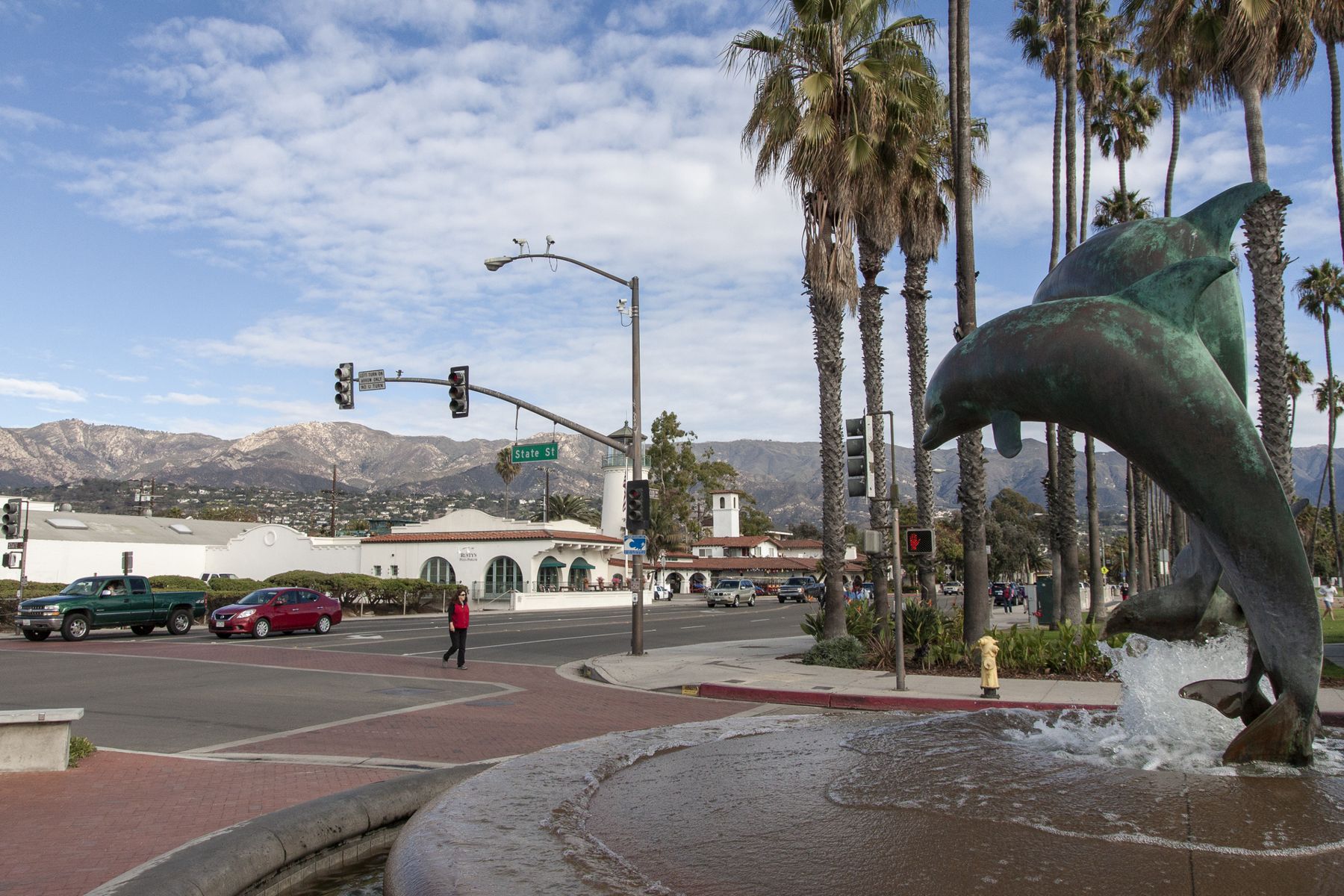
Within downtown, the blocks around the Courthouse and the side streets west of State are quiet; the middle of State Street is lively; lower State is the link to the beach. And the beach is always there at the bottom of the street, a straight walk past the dolphin fountain to the planks of the wharf.